



















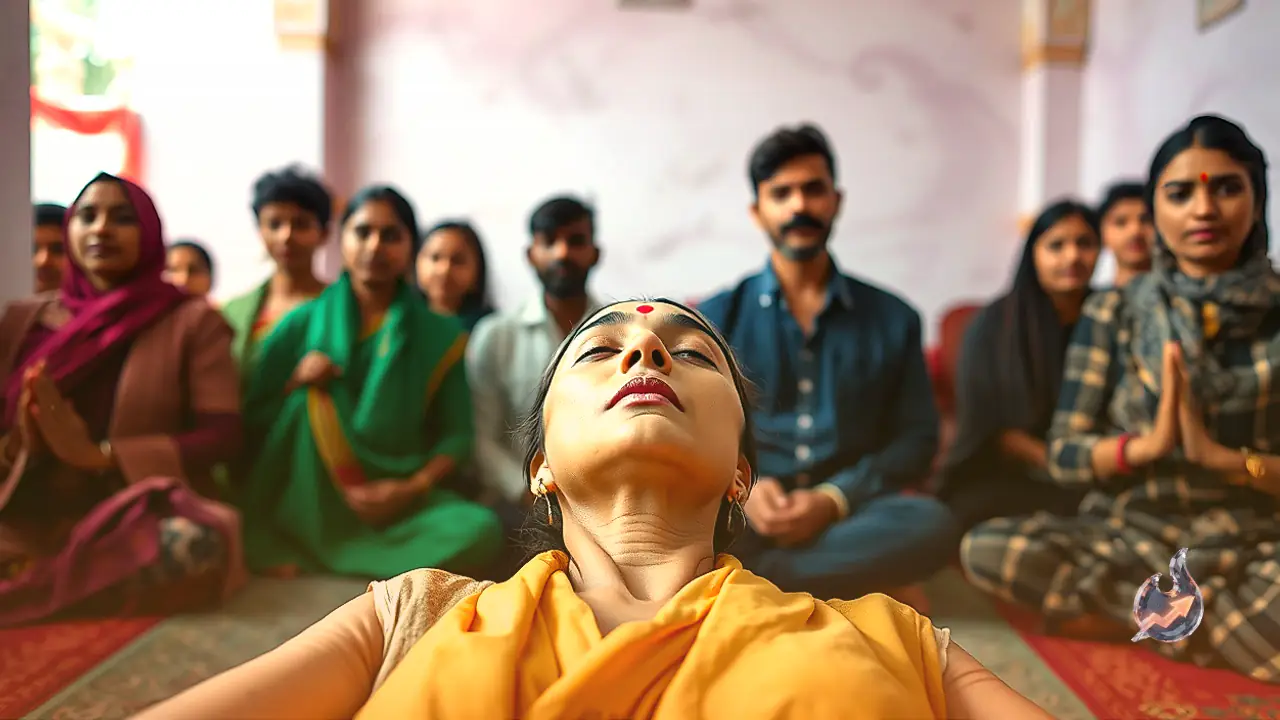

People often rely on numerous beauty products and home remedies to keep their skin looking attractive, glowing, and youthful. However, many remain unaware that yoga can also play a significant role in keeping facial muscles active and healthy. Traditional Indian yoga philosophy outlines several subtle exercises designed to maintain the well-being of different body parts. Among these is the Kapol Shakti Vikasak Kriya, widely recognized as a specialized exercise routine for the face.
In the Sanskrit language, the word Kapol translates to cheeks, while Shakti Vikasak means something that enhances strength. This specific practice focuses intensely on activating the facial muscles. Consistent practice can noticeably improve muscle movement and overall facial tone. It is worth exploring the essential details surrounding this yoga technique along with the necessary precautions one must take during the routine.
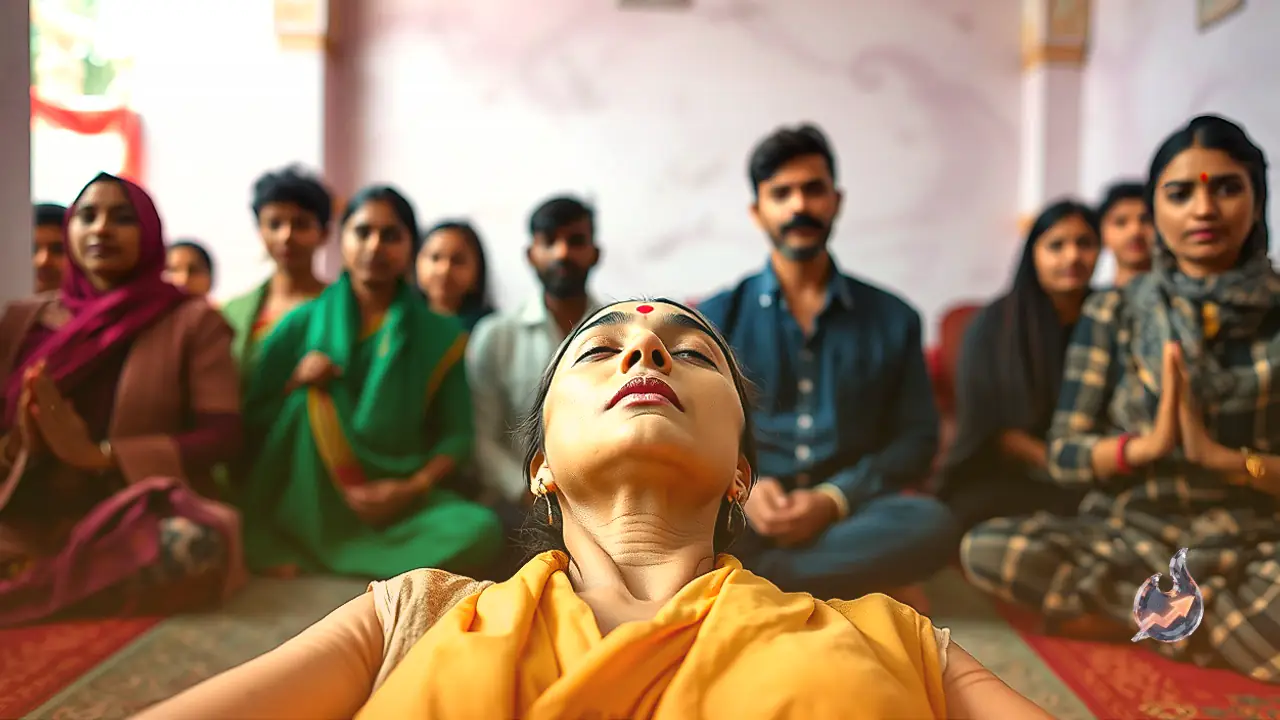
Kapol Shakti Vikasak is a subtle yoga practice aimed at stimulating the muscles of the face and cheeks. It is widely considered an integral part of facial yoga. Performing this routine requires concentrated attention on both facial muscle movements and proper breathing techniques. Certain methods within this practice also involve maintaining specific neck postures, which is why learning the correct approach from a trained yoga instructor beforehand is highly recommended.
The exercise actively engages the muscles of the cheeks and face, ensuring that these tissues remain active and flexible. Regular engagement helps make facial wrinkles appear less prominent over time. Furthermore, focusing on breath control and body movements during the process induces a deep sense of relaxation and mental calm.
Precautions to Keep in Mind While Practicing
Practitioners should avoid rushing through this yoga routine and must refrain from putting excessive pressure on the neck. If anyone experiences dizziness, breathing difficulties, or sharp pain in the neck during the session, they should stop immediately. Individuals suffering from high blood pressure, heart conditions, neck ailments, or vertigo must consult a doctor before attempting this practice. Avoid experimenting independently with advanced techniques like aggressive neck tilting or breath retention, and always seek guidance from a certified yoga teacher to learn the correct methodology.