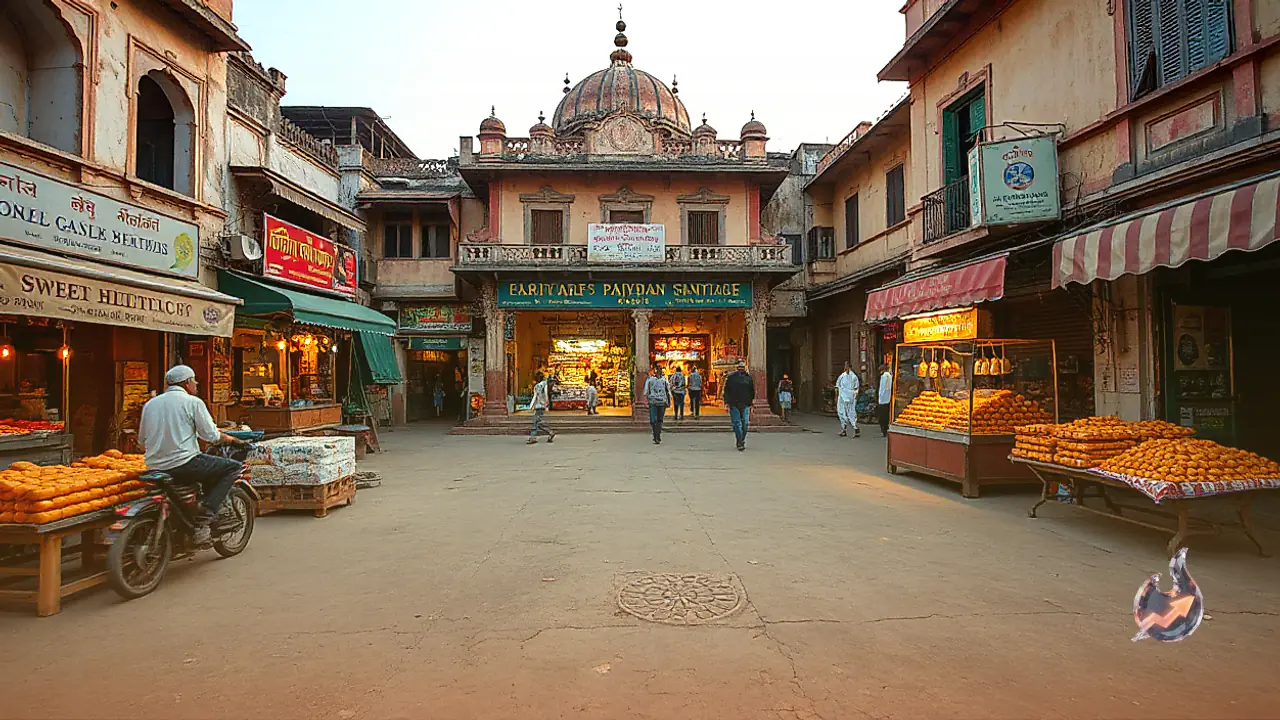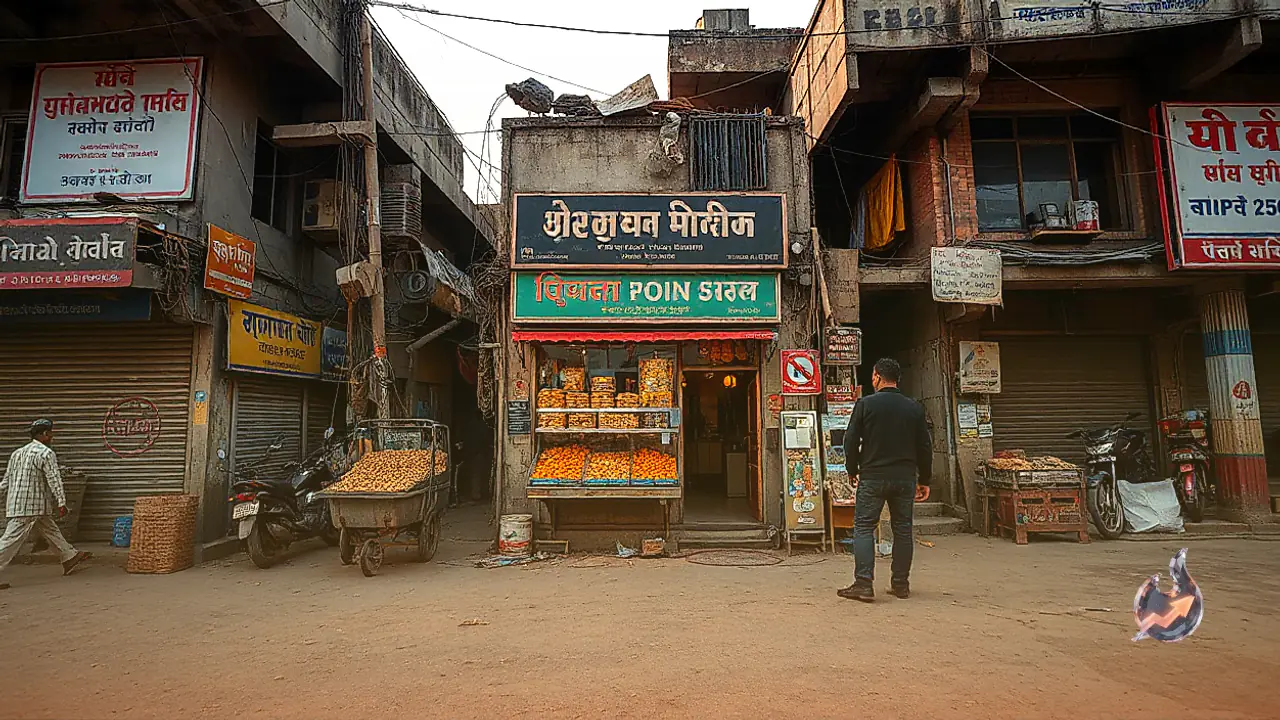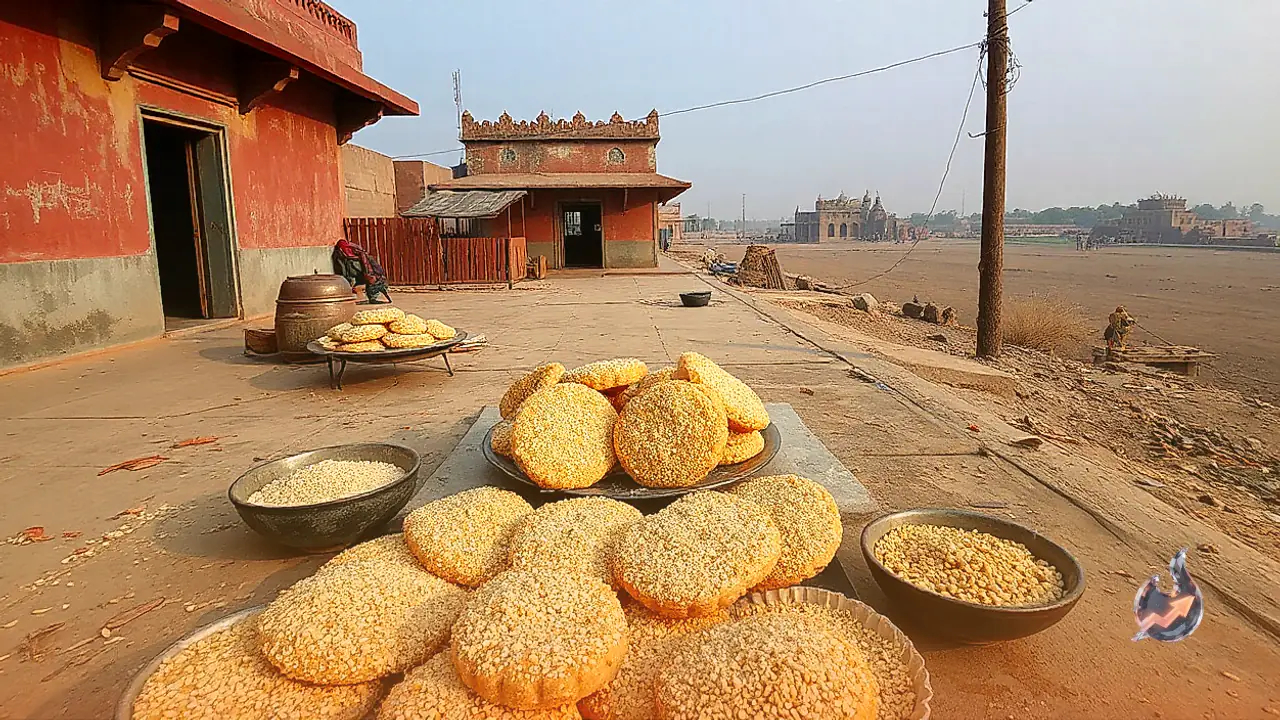

















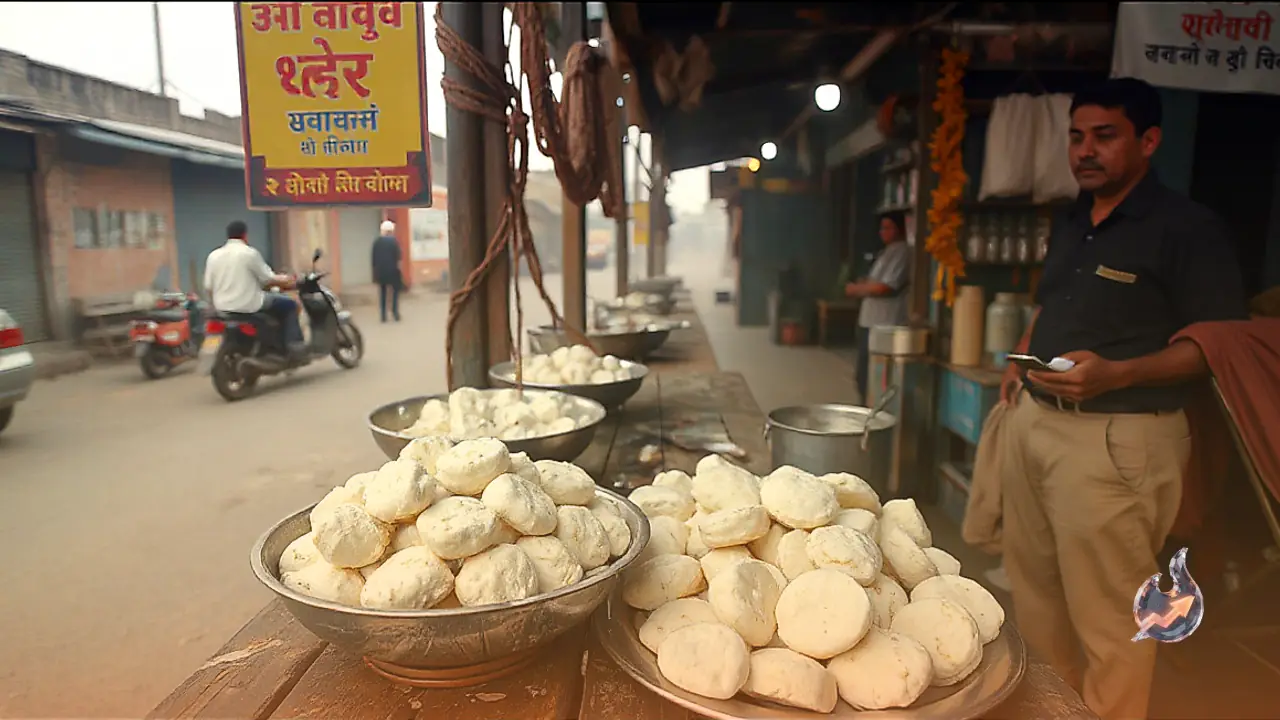

As dusk settles over a bustling intersection in Bihar's capital, curious numeric calls ring out around a modest food counter where visitors skip standard portion requests entirely. Instead of asking for a pair or trio of baked dough balls, patrons simply shout out 225 or 325 before butter sizzles across the hot pan. What sounds like a confidential trade code is actually a remarkably simple calculation developed for hungry food lovers.
The Math Behind the Butter Portions
The unusual naming ritual arose from a desire to customize the amount of dairy fat coating every serving. Bhola Kumar, who runs operations at the stall, explains that calling 225 directs the kitchen to fry two pieces of litti in 25 grams of butter, whereas shouting 325 signals three pieces bathed in the same 25-gram portion.
Guests are free to adapt these measures to match their personal cravings. While some stick to lighter preparations, others order 50 grams of butter, and enthusiasts regularly request 100, 150, or even 200 grams to submerge their batch completely. Decades of this practice have made ordering instantaneous for regular visitors, who get exactly what they want without lengthy explanations.
Replacing Water with Fresh Milk
Beyond the skillet technique, the true secret of this street delicacy begins inside the mixing basin. While conventional recipes rely on plain water to bind the flour, cooks here pour in substantial quantities of dairy milk. A single batch requires between 30 and 35 kilograms of flour, brought together with approximately 20 kilograms of milk.
When questioned about using dairy instead of water, a cook at the shop offered a straightforward explanation: "It makes it taste good." The milk-infused base keeps the roasted dough soft and pillowy on the inside, allowing it to soak up warm butter while retaining a pleasant texture.
Digestive Candy Powder in the Vegetable Mash
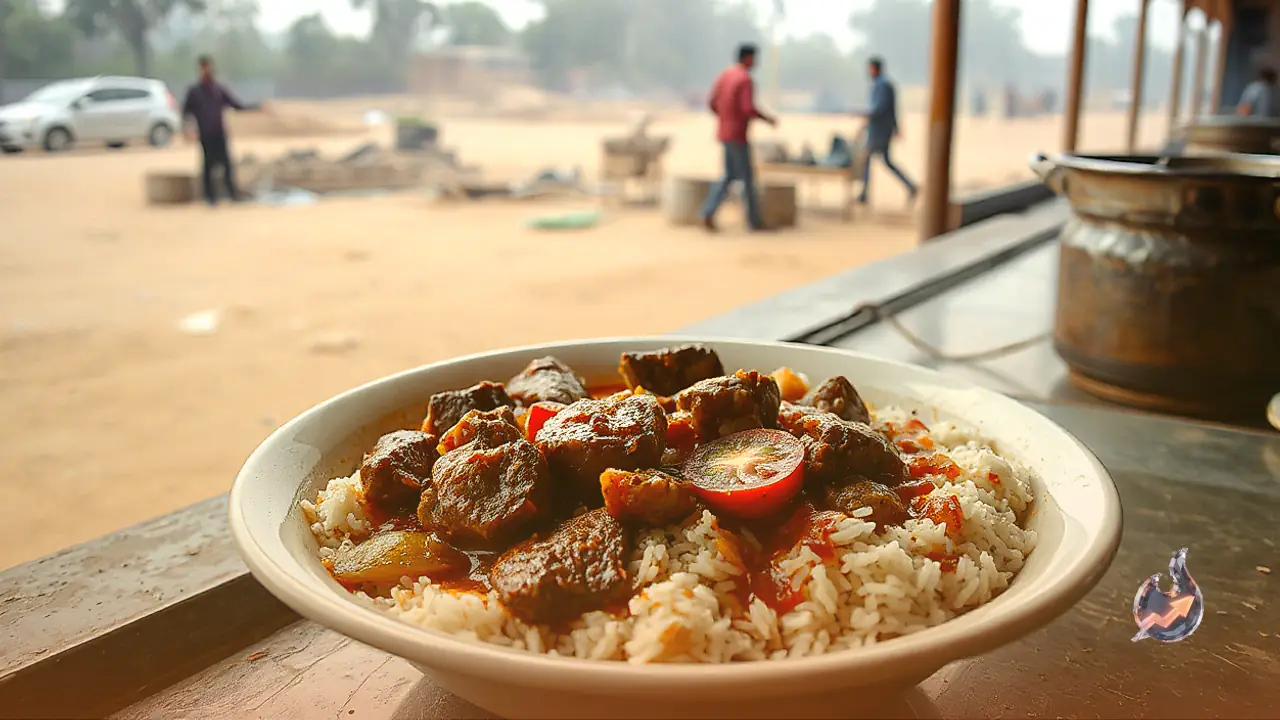
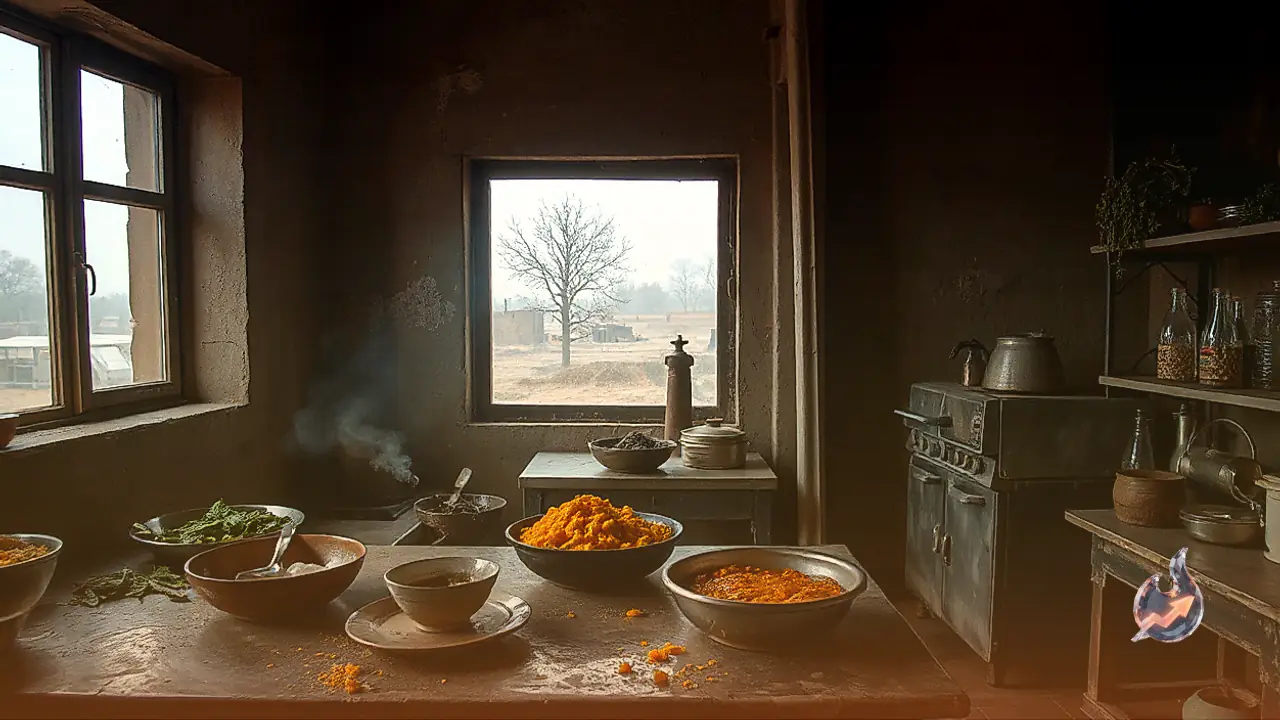
No serving of this regional staple is complete without chokha, and the preparation here follows an unorthodox spice profile. Kitchen workers start by boiling fresh eggplants and whole tomatoes, subsequently incorporating boiled potatoes into the warm pulp.
The mixture is seasoned with cumin, black pepper, fire-roasted chilies, crushed garlic, and finely chopped coriander leaves. For an unmistakable tangy kick, cooks blend in pulverized Hajmola digestive tablets. Preparing one round of this accompaniment consumes roughly 40 kilograms of potatoes, 20 kilograms of eggplants, and 15 kilograms of tomatoes, finished with a generous drizzle of pungent mustard oil.
A 45-Year Culinary Legacy
Behind the savory aroma lies an enterprise spanning four and a half decades. The venture began in 1981 under the stewardship of Gopi Krishna, lending the establishment its identity as Gopi Krishna Litti Bhandar. Today, he operates the bustling counter alongside his son, Bhola Kumar, serving long-time patrons whose visits trace back to their earliest childhood memories.
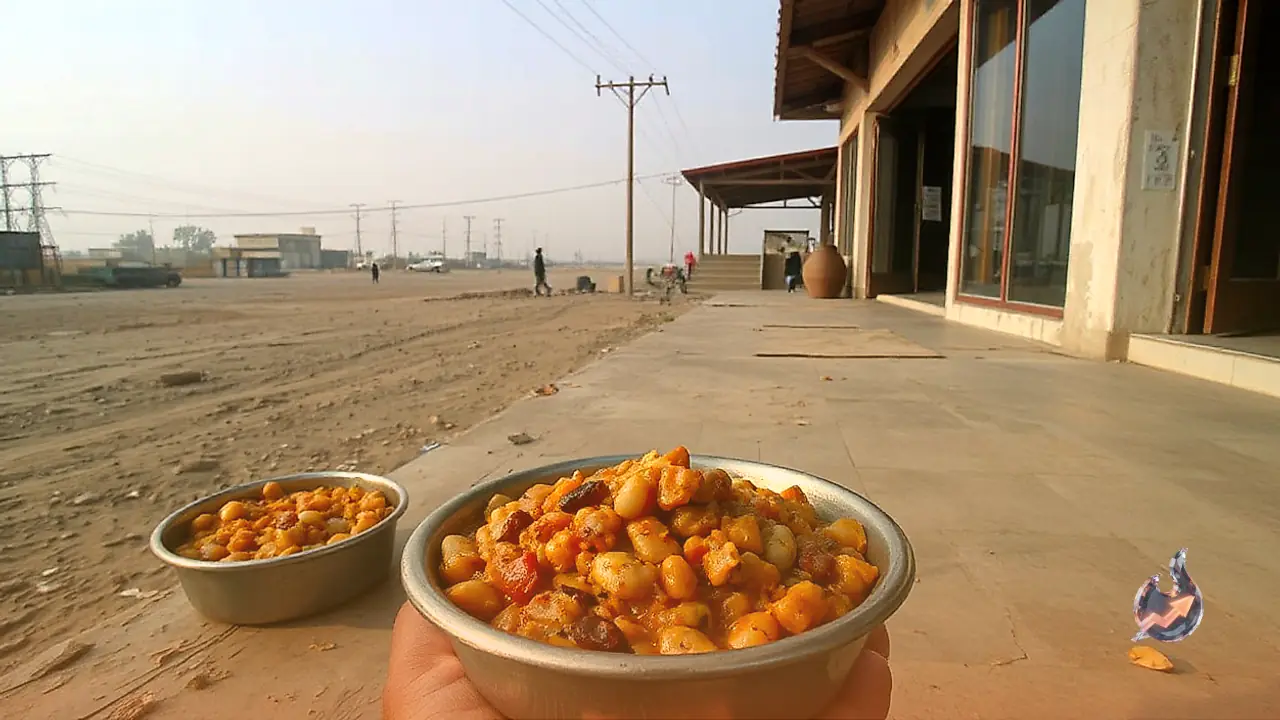
Food enthusiasts looking to sample this milk-kneaded, butter-fried specialty must head toward the GPO roundabout in Patna. The stall operates beside the subway access point of the multimodal transit hub, nestled near a pipal tree inside the Kabadi market. Service runs daily between 4:30 in the afternoon and 10:30 at night, making late evening the ideal window to experience the dishes fresh off the stove.