
























If you are fond of traditional foods and authentic native flavors, the Mithilanchal region offers a rich culinary heritage to explore. Today, we look at a distinctive traditional dish from Mithila where the manual churning process enhances its unique flavor profile. Known as Ghorjaur, this regional delicacy holds a special place in local culinary traditions.
Appearance and Taste Profile
The recipe for Ghorjaur resembles kheer in its visual appearance, but its taste is distinctly savory, tangy, and sweet. This traditional preparation is usually enjoyed alongside vegetables. While people occasionally prepare it at home on regular days, it holds special significance during specific festivals. It is prominently made around the time of Panchami or during the sacred month of Sawan.
Step by Step Preparation Method
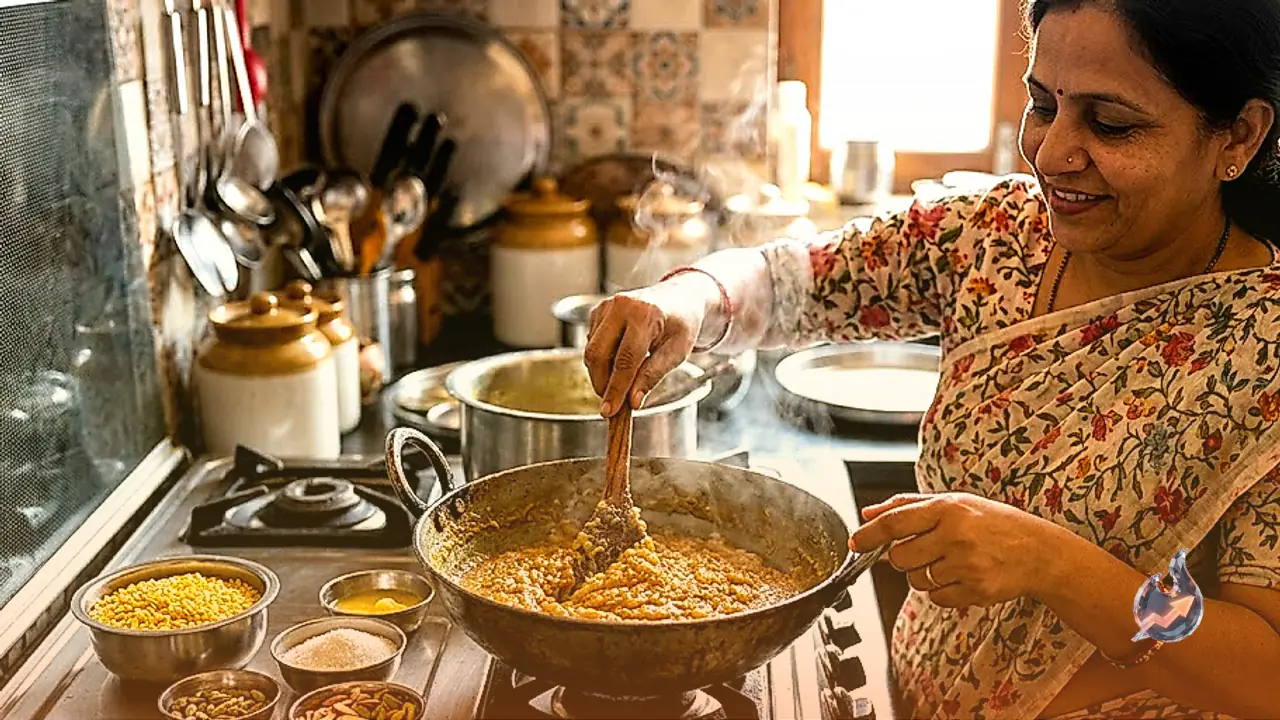
To prepare Ghorjaur, rice is first washed thoroughly and cooked in boiling water. Once the rice is half cooked, a generous amount of whisked curd is blended into it. Salt according to taste and a small amount of sugar are then added to the mixture, and it continues to cook. As soon as the preparation reaches completion, a special tempering is applied to elevate the flavor to the next level.
The Importance of Tempering
The tempering process for this dish involves heating oil, cumin seeds, dried red firre, and bay leaves, which imparts a rich aroma and taste. The finished Ghorjaur is served alongside vegetables. Just as traditional kheer relies on milk, sugar, and dry fruits, Ghorjaur derives its character from curd, salt, and the aromatic tempering.
Using Fermented Curd and Buttermilk
In Mithilanchal, Ghorjaur is never prepared using fresh curd; instead, sour curd is essential for the authentic taste. Curd that has been set two days prior yields the best flavor results. Alternatively, some households also prepare Ghorjaur using buttermilk. If you wish to experience a wholesome native meal, you should definitely try making this quick 15 to 20 minute recipe at home.