






















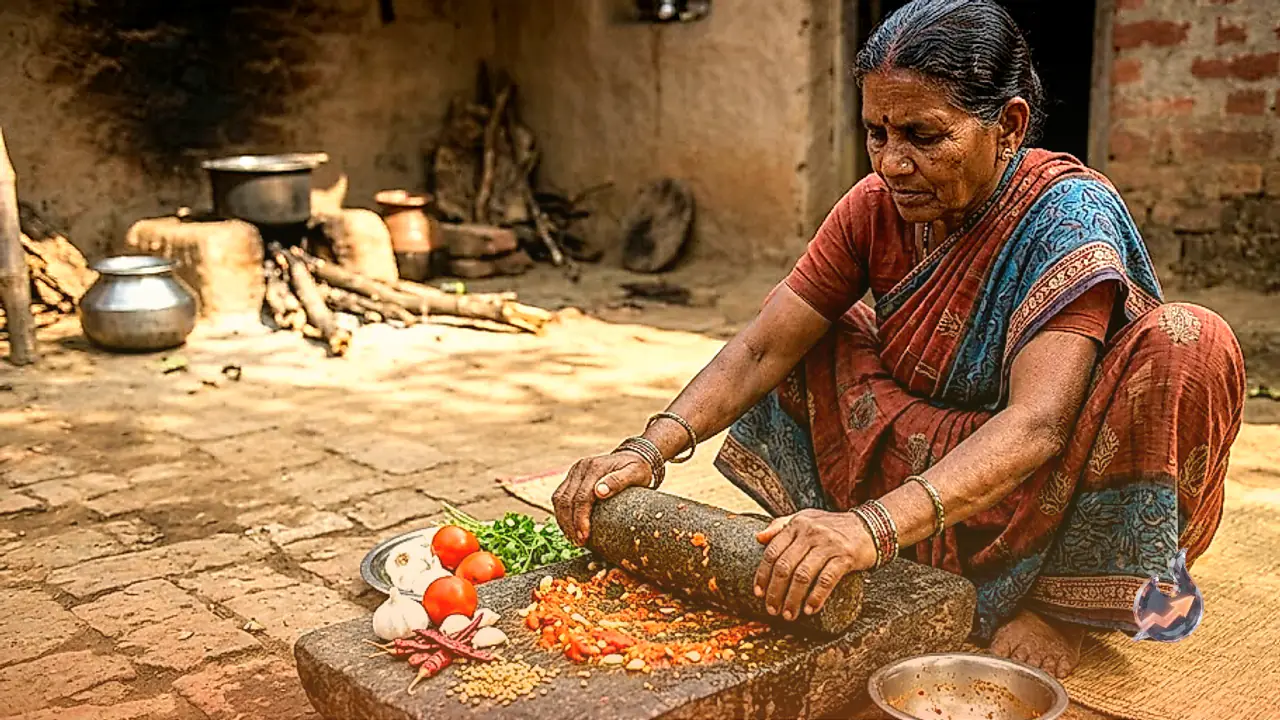

When it comes to authentic aroma and deep culinary heritage, stone-ground chutney holds an irreplaceable spot across traditional Indian kitchens. Modern electric mixer grinders have certainly offered speed and convenience in everyday life, yet the distinct rustic texture and natural fragrance coaxed out by a traditional grinding stone slab, known as a silbatta, remain unmatched. Across rural households, a vibrant chutney prepared with ripe tomatoes, fresh garlic, dried red chillies, and whole dry coriander seeds can transform even the simplest plate of food into a memorable feast.
Essential Pantry Ingredients and Precise Quantities
One of the primary appeals of this classic recipe is its complete reliance on humble, easily accessible kitchen staples. You do not need complicated specialty items to achieve this authentic regional flavor profile. The exact measurements required for this recipe include
- Ripe Tomatoes: 2 to 3 fully ripe tomatoes.
- Garlic Cloves: 8 to 10 peeled cloves.
- Dry Red Chillies: 3 to 5 whole dried red chillies (this quantity can be adjusted upward for those who prefer extra heat).
- Dry Coriander: 1 to 2 teaspoons of dry whole coriander seeds.
- Salt: Adjusted according to taste.
- Mustard Oil: A light splash of pure mustard oil, which imparts a sharp, earthy pungency typical of village-style preparation.
Step-by-Step Stone Grinding Technique
Achieving the right balance on a silbatta depends directly on the order in which the ingredients are crushed. Begin by washing and drying the stone surface thoroughly. Start the grinding process by placing the roasted dry red chillies, dry coriander seeds, and a measured pinch of salt directly onto the flat stone slab. Using the cylindrical stone roller, crush these dry spices slowly and steadily so that their natural aromatic oils are released into the coarse powder.
Once the spices are evenly broken down, add the 8 to 10 garlic cloves to the mixture. Crush and blend them completely into the dry spices. After the garlic paste and spices form a unified blend, introduce the 2 to 3 ripe tomatoes. Gently press down on each tomato with the roller, working it into the garlic and spice base. There is no need to rush this step; gentle, deliberate grinding allows the tomato juices to marry seamlessly with the spices. Finish by incorporating a few drops of mustard oil to bring the mixture together.
Classic Meal Pairings for Rural Tomato Garlic Chutney
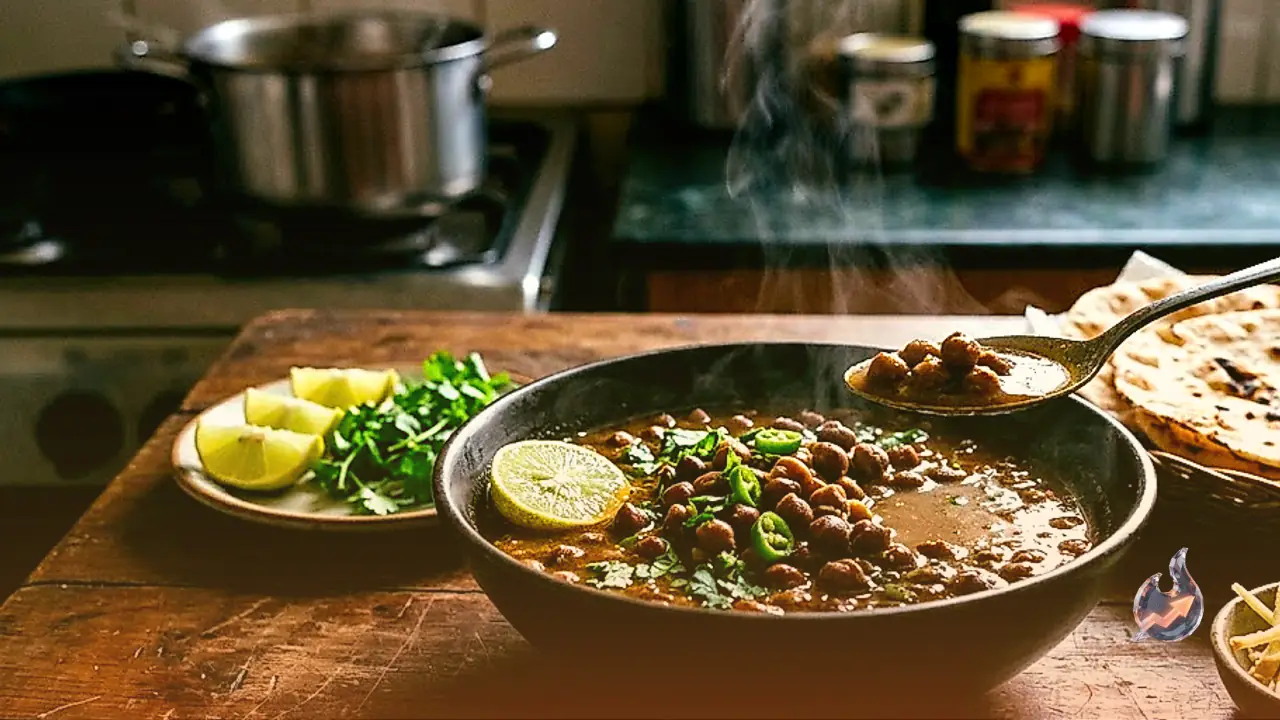
This savory and spicy preparation works as a versatile accompaniment across a wide array of meals. In rural areas, many diners enjoy it simply paired with raw chopped onions and piping hot flatbreads. It serves equally well alongside several everyday comfort staples
- Freshly puffed rotis and stuffed parathas
- Classic comforting bowls of dal and steamed rice
- Warm khichdi served on cold evenings
- Crispy fried pooris
The natural acidity of the tomatoes, the sharp punch of crushed garlic, the tingling warmth of dried red chillies, and the earthy aroma of whole coriander combine to create a deeply satisfying condiment that enriches everyday dining.
The Flavor Advantage of Cold Stone Crushing
Sharing practical insights into the preparation, Muskan explained that rural households have preserved this timeless culinary approach, taking merely 5 to 10 minutes to complete the entire recipe from start to finish. Electric mixer grinders use high-speed motorized blades that chop ingredients rapidly, generating heat that can alter volatile flavor compounds. By contrast, the cold pressure of a traditional grinding stone gently bruises and crushes plant cells, unlocking richer aromas and superior texture that electric appliances simply fail to match.