


















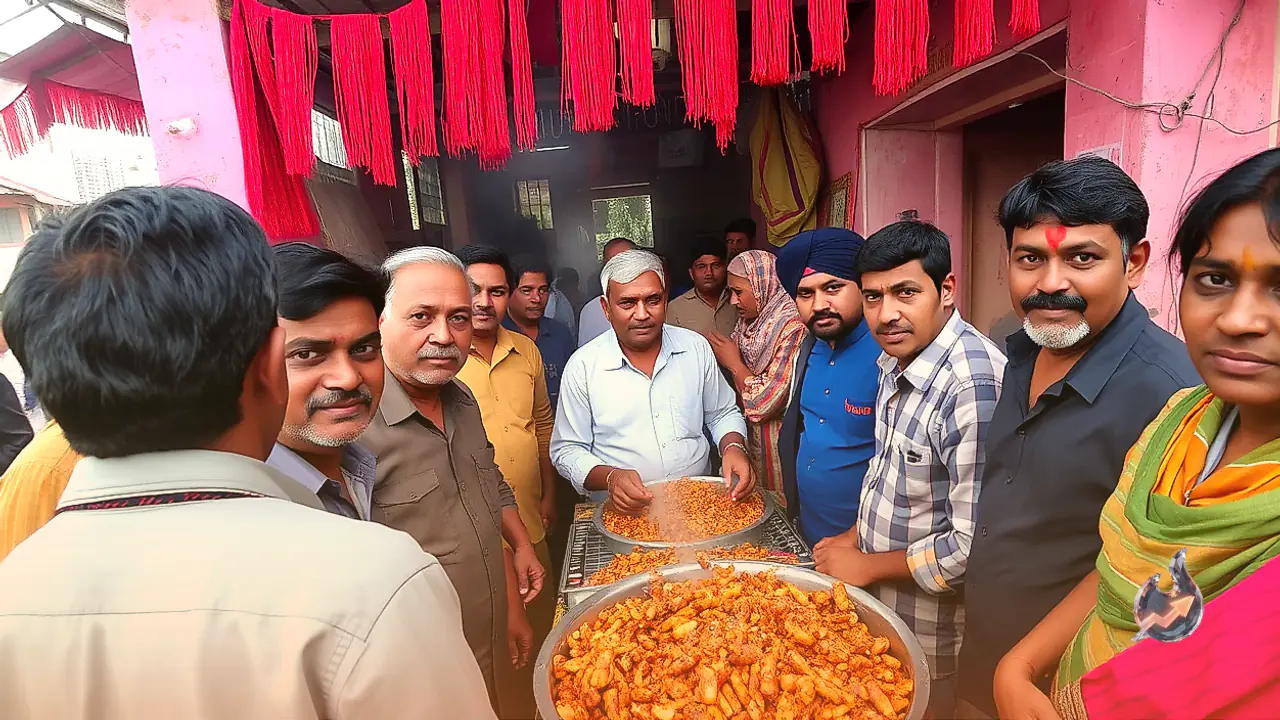

Festive celebrations across Indian households are incomplete without traditional confections made fresh in home kitchens. Making sweets at home not only guarantees pure ingredients but also revives classic culinary techniques. Among the wide range of traditional milk-based sweets, peda remains a perennial favorite because of its approachable preparation. While regional variations of peda exist across the country, the distinct lal peda originating from Sultanpur in Uttar Pradesh holds a unique culinary standing. Appreciated well beyond state borders, this sweet stands out for its reddish tint, crumbly texture, and deep roasted aroma.
What Gives Sultanpur Lal Peda Its Signature Flavor
The defining character of Sultanpur's red peda lies in the patient roasting of dairy solids rather than complex flavoring agents. Unlike standard pale pedas, this preparation requires slow, continuous roasting of mawa over gentle heat. As the dairy solid cooks, its sugars and proteins undergo gradual browning. The introduction of sugar at the exact stage of roasting induces caramelization. This culinary reaction produces the distinctive amber-red tone and provides the characteristic roasted, earthy sweetness that lingers on the palate.
Ingredients Needed for the Recipe
Crafting authentic lal peda at home requires minimal pantry staples. Gathering quality ingredients ensures the finest texture and taste
- 500 grams fresh mawa or khoya
- 200 grams finely powdered sugar or boora
- 1 teaspoon fragrant green cardamom powder
- 2 to 3 tablespoons pure desi ghee
Step-by-Step Cooking Method
Preparation begins with a heavy-bottomed pan to prevent burning during prolonged cooking. Warm a small quantity of desi ghee in the pan, then add the 500 grams of mawa. Keep the heat strictly on low. Continuous stirring is essential to ensure uniform heat distribution and avoid scorching at the base. Over time, the milk solids loosen and gradually shift from pale cream to a deep golden hue. Continue stirring until the mixture turns a rich deep brown and releases an unmistakably nutty, roasted fragrance.
Once the khoya reaches the desired browning, keep the burner on low and incorporate the 200 grams of powdered sugar. As the sugar dissolves into the hot khoya, it melts and caramelizes, lending the entire batch a distinct reddish hue and a rich caramelized flavor profile. Continue folding the mixture until the sugar fully integrates and the dough starts pulling away cleanly from the edges of the pan. At this stage, turn off the flame and mix in the single teaspoon of cardamom powder for an aromatic finish.
Shaping the Sweets and Shelf Life
Transfer the warm mass aside and allow it to cool down until it is comfortable to handle. Once the dough cools slightly, grease your palms with a touch of ghee. Portion out equal small rounds, roll them smoothly between your hands, and flatten them gently in the center to achieve the classic peda shape. Continue the same method until the entire batch is shaped.
Because the milk solids are cooked thoroughly until almost all moisture evaporates, these sweets boast an impressive shelf life. They remain fresh at normal room temperature for 8 to 10 days without spoiling. Perfect for festivals like Diwali or Holi, this homemade Sultanpur specialty delivers a rich festive treat enjoyed across generations.