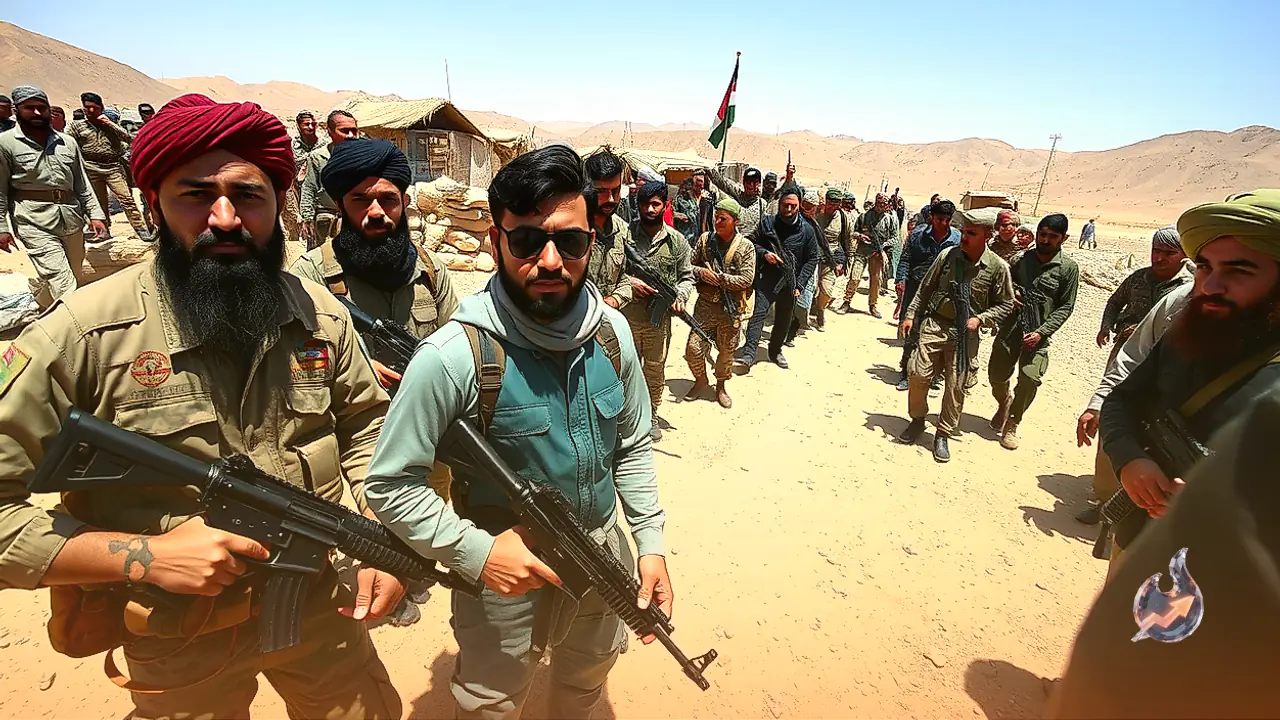
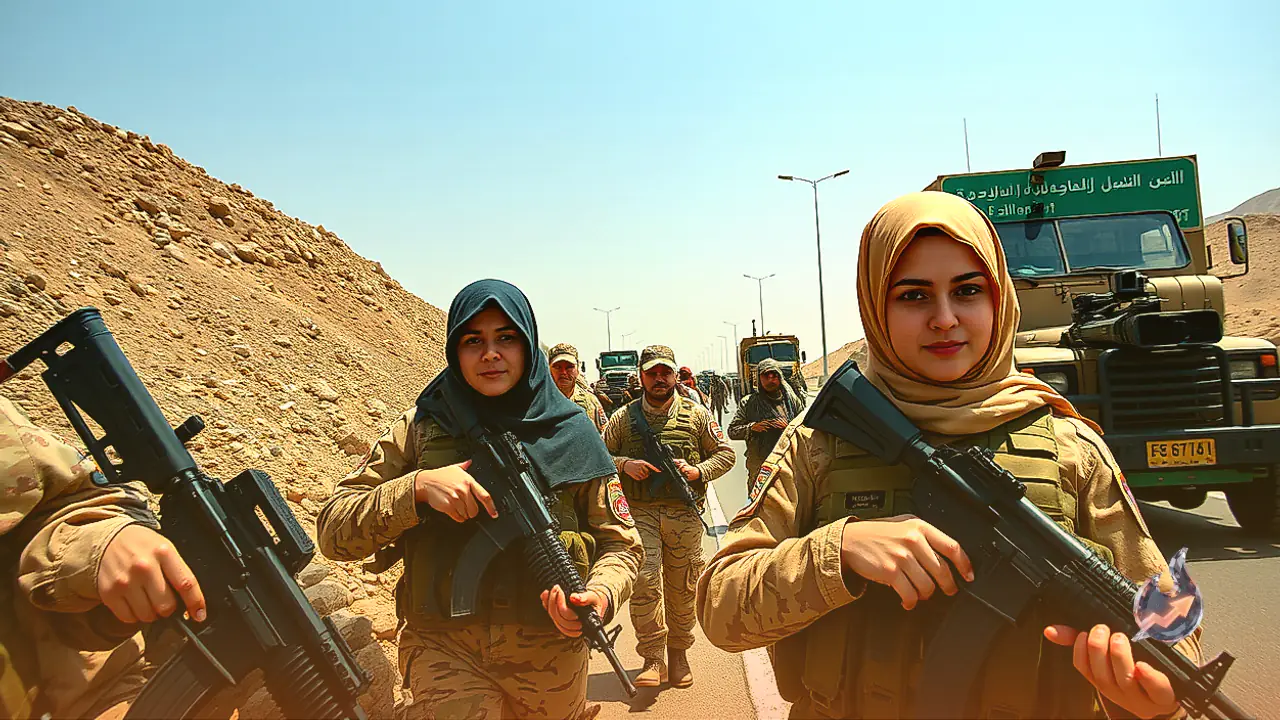





















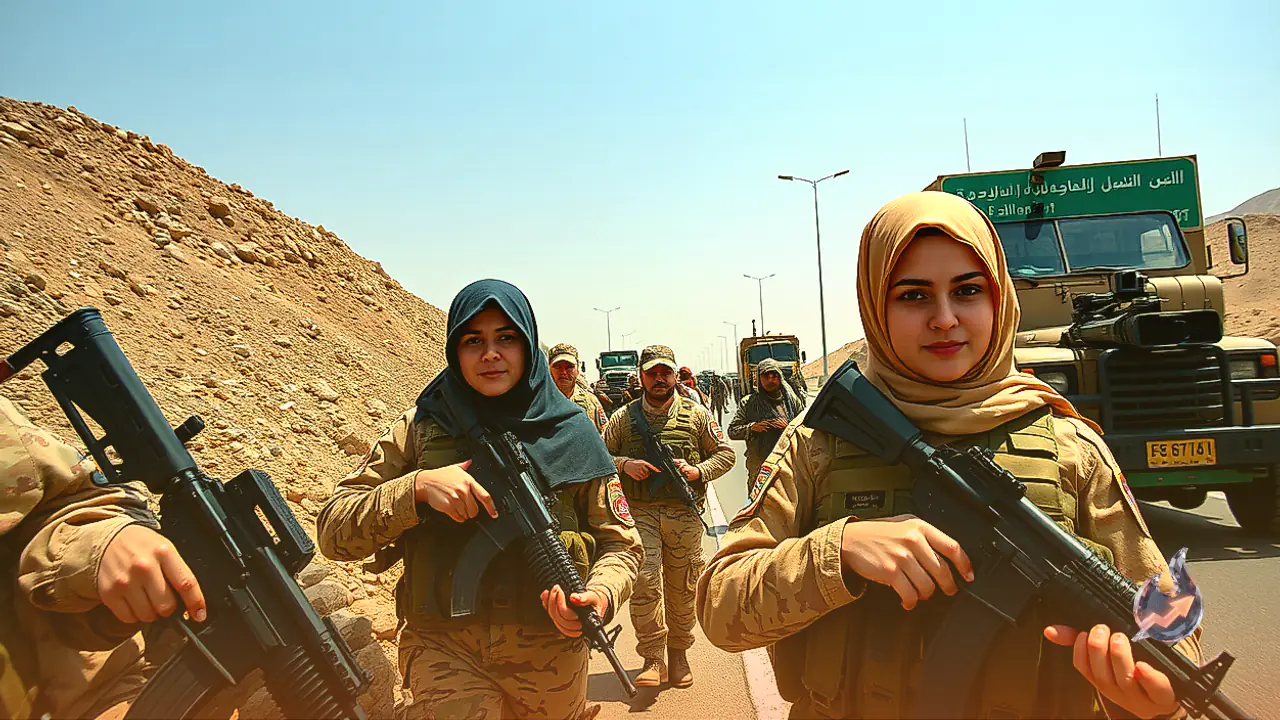

In a notable shift within the ongoing unrest in Pakistan's restive Balochistan province, the insurgent group Balochistan Liberation Front (BLF) has claimed the formal integration of female cadres into its combat ranks. A released video shows women undergoing tactical training, handling weaponry, and participating in field maneuvers under designated leadership. This development has injected fresh unease into an already volatile security environment across the southwestern territory. However, neither the footage nor the claims made by the militant faction have been independently verified, and Pakistani authorities have not issued an immediate formal reaction to the purported operational rollout.
The Karima Armed Assault Division
The outfit has designated this specialized formation as the Karima Armed Assault Division (KAAD). The unit takes its name from Karima Baloch, the former head of the Baloch Students Organisation-Azad, who had long been a central figure in Baloch nationalist politics. According to the organization, the creation of KAAD marks a formal structural expansion aimed at deploying women directly into coordinated field actions. Visuals show a woman acting as a field commander issuing orders to other armed female members, presenting an organized military hierarchy within the division.
Tactical Roles Beyond Active Combat
Statements released by the militant network assert that the mandate of the Karima Armed Assault Division extends well beyond direct frontline combat. Members of the wing are reportedly assigned critical operational responsibilities, including gathering covert intelligence, managing communication networks, providing emergency medical assistance, and maintaining logistics channels. By utilizing women across diverse support and operational tasks, the group is attempting to expand its functional footprint across dispersed operating zones.
Attacks on Convoys and Reported Casualties
The insurgent faction has already attributed several recent violent episodes directly to this newly announced female detachment. According to their account, the division conducted its opening operational strike by targeting a Pakistani military convoy along the China-Pakistan Economic Corridor (CPEC) highway near Jusak in the Turbat area. The organization further asserted that nine Pakistani military personnel were killed across two coordinated missions, alongside inflicting visible structural damage on state military transports in the vicinity.
Highway Interceptions and Infrastructure Targeted
The reported footprint of the unit spans multiple districts. In the Manguchar area of Kalat, female operatives allegedly manned vehicle inspection points and carried out stop-and-search operations targeting state transit routes. Concurrently, heightened activity was reported from Chagai district, where an armed squad featuring female members entered the Yakmach vicinity. The unit subsequently imposed a blockade on the vital Quetta-Taftan highway, restricting vehicle movement. Around the same timeframe, attackers set fire to a local office operated by Pakistan's National Database and Registration Authority (NADRA) in Yakmach.
Security Challenges Along Strategic Corridors
The Quetta-Taftan transit artery has historically remained vulnerable to militant ambushes, vehicle seizures, and coordinated checkpoints aimed at disrupting state logistics. The current year has recorded repeated disruptions and armed confrontations along this vital trade and transit route. While militant publicity material often magnifies operational realities, the formal introduction of female fighters presents a complex tactical challenge for law enforcement and counter-insurgency forces operating in Balochistan, where regional stability remains severely strained.