



















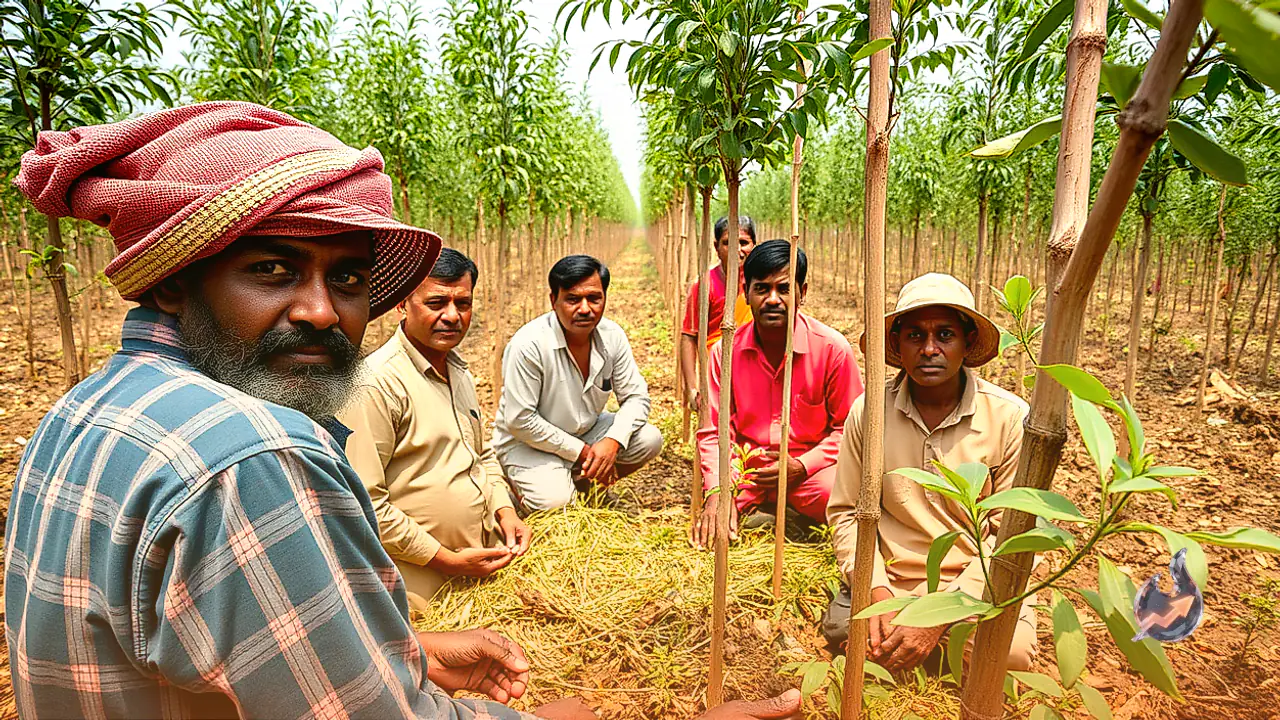

A cultivator in the Palamu district of Jharkhand is pioneering a high-value diversification strategy away from conventional agricultural routines. Satish Dubey, a resident of Basna village, has dedicated a portion of his farmland to sandalwood cultivation. Having planted 50 saplings alongside his usual seasonal produce, Dubey treats this venture as an enduring personal investment that promises substantial economic security as the trees mature over the coming decades.
Sourcing Saplings from Nagpur and Early Growth Patterns
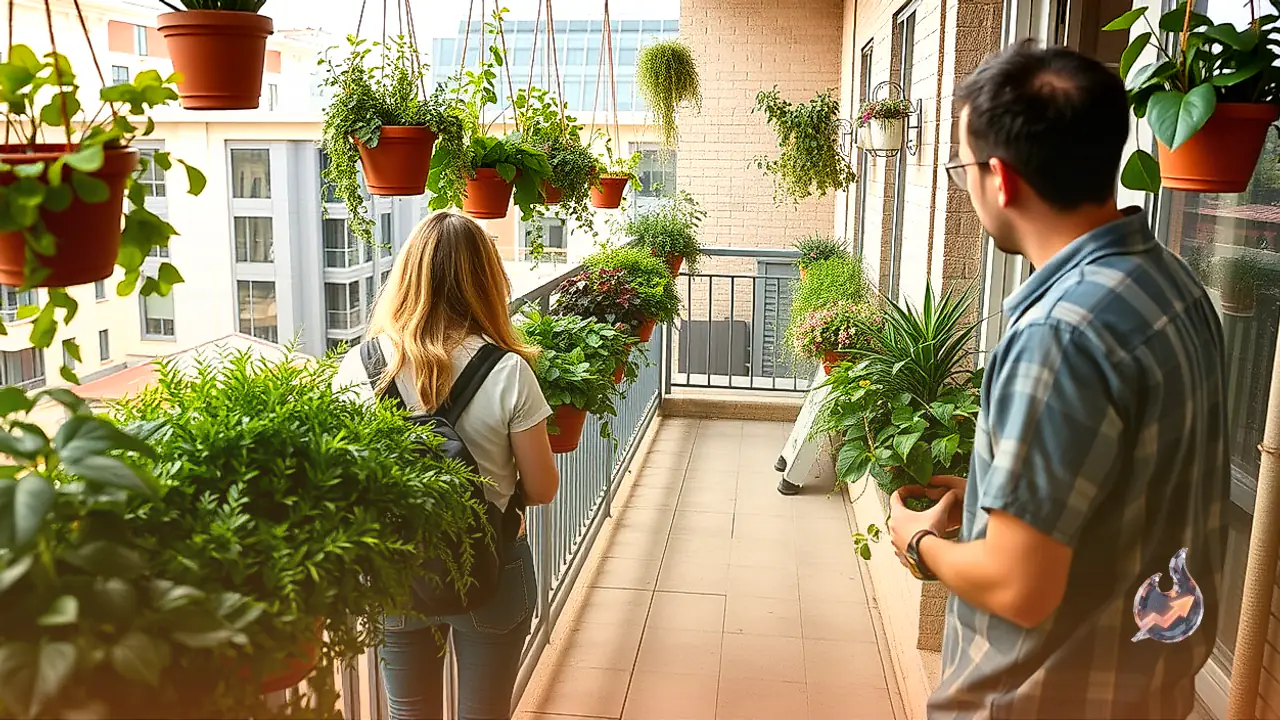
The journey began roughly three years ago when Dubey procured sandalwood saplings directly from Nagpur. At the time of purchase, each individual sapling cost around 100 rupees. Over the past three years of dedicated care, the plantation has shown steady progress, with multiple trees now reaching vertical heights between 8 and 10 feet. By allocating space on his land alongside customary crops, he has created an agroforestry model designed to generate generational wealth without entirely displacing regular farming activity.
Timeline for Fragrance Development and Commercial Maturity
The primary commercial value of sandalwood lies in its distinct aroma and dense heartwood, which naturally form over extended maturation cycles. Dubey anticipates that the characteristic fragrance will begin emerging within the timber after about 8 to 10 years of growth. However, reaching full commercial harvesting standards requires an estimated 10 to 15 years or even longer. For this reason, the cultivation is designed entirely as an asset-building project rather than a source of quick agricultural cash flow.
Aiming for 50 Lakh Rupees After 15 to 20 Years
Because premium sandalwood continues to command steep market prices driven by sustained commercial demand, maintaining the grove for a prolonged period remains a viable financial calculation. Dubey plans to nurture all 50 trees through their complete 15 to 20-year growth trajectory. Given favourable market valuations at harvest time, he projects that the entire lot of 50 mature trees could yield an aggregate revenue of up to 50 lakh rupees, turning a modest initial purchase into a major financial asset.