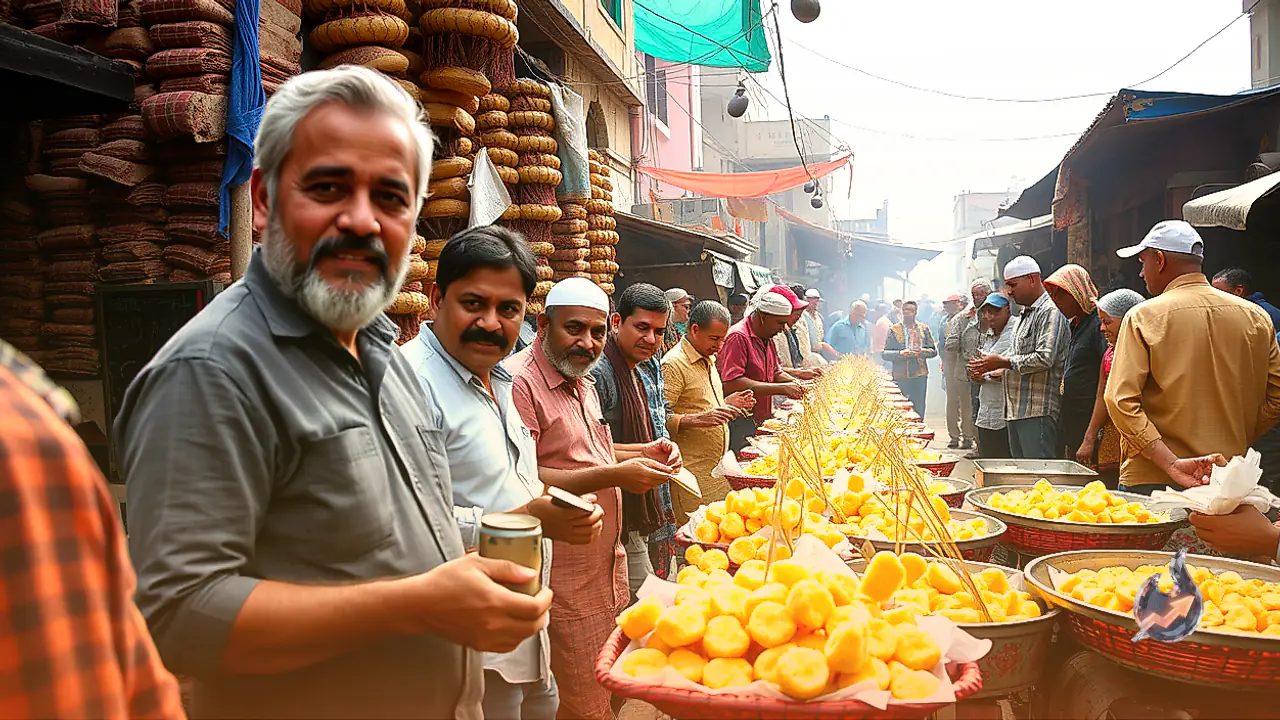






















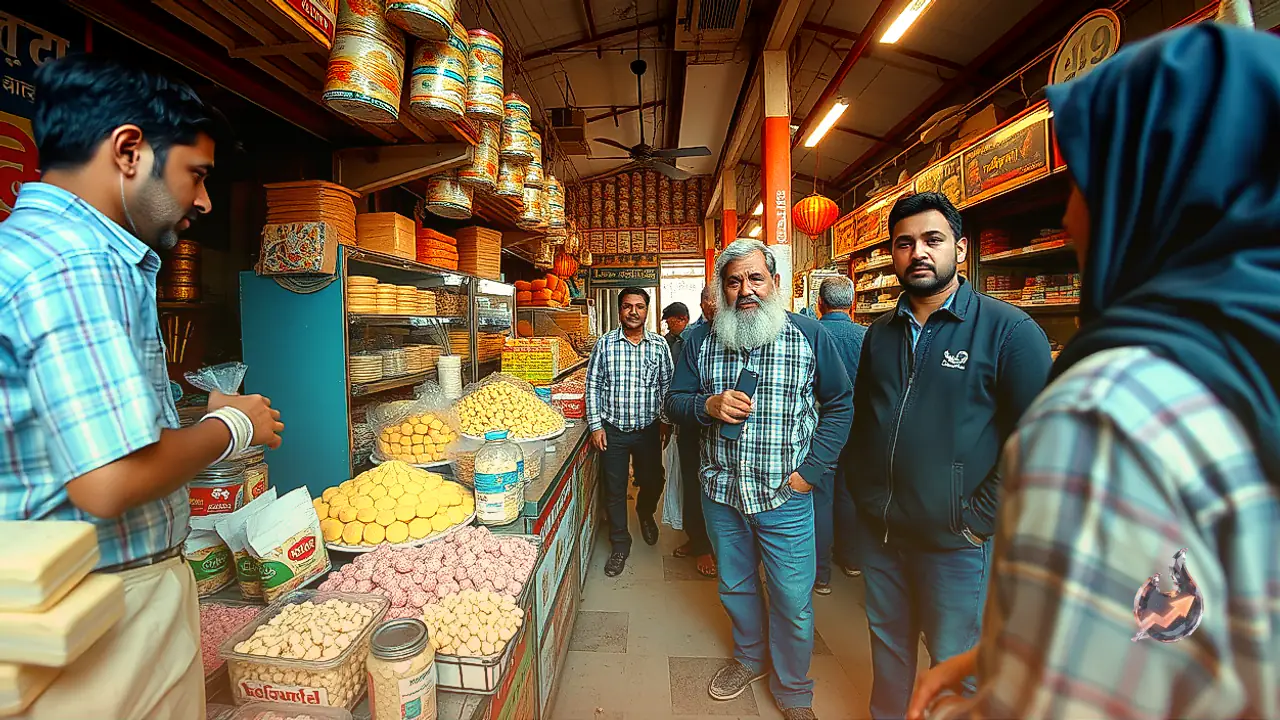

When preparing traditional festive confections at home, stepping up to a sweet shop counter to purchase milk solids often leads to confusion. Some shoppers ask for khoya while others request mawa, and vendors frequently use the two terms interchangeably. This common mix-up naturally raises the question of whether khoya and mawa are genuinely distinct ingredients or simply two names for the exact same preparation. Because the success, texture, and flavor of sweets like peda, gulab jamun, barfi, and gujiya depend heavily on selecting the correct consistency, understanding what sets them apart is essential for anyone cooking at home.
Regional Nomenclature and the Shared Cooking Process
In reality, the distinction between khoya and mawa is largely a matter of geography and local dialects across India. Across northern Indian states, the product is predominantly called khoya. In contrast, in states such as Rajasthan, Gujarat, and Maharashtra, the exact same ingredient is universally referred to as mawa or khawa. Both products are prepared through identical methods by simmering fresh milk in a wide, heavy-bottomed vessel over low to medium heat. As the liquid slowly heats, the water content gradually evaporates, leaving behind a thick, dense mass of concentrated milk solids. Because the underlying production technique and base ingredient are completely identical, khoya and mawa should not be viewed as two entirely different culinary items.
Varieties Based on Moisture and Texture
While the names refer to the same basic dairy solid, the final product available in markets comes in distinct textures depending on residual moisture. Matching the right variety to your specific sweet recipe makes all the difference during preparation
- Soft and Smooth Khoya: This variety retains a relatively higher moisture level, resulting in a pliable, creamy, and uniform texture. It is ideal for recipes that require smooth blending or easy kneading. When making peda, silky barfi, or delicate sweet fillings, this soft variety is the standard recommendation. Because of its extra moisture, cooks must monitor heat carefully while roasting it to prevent scorching.
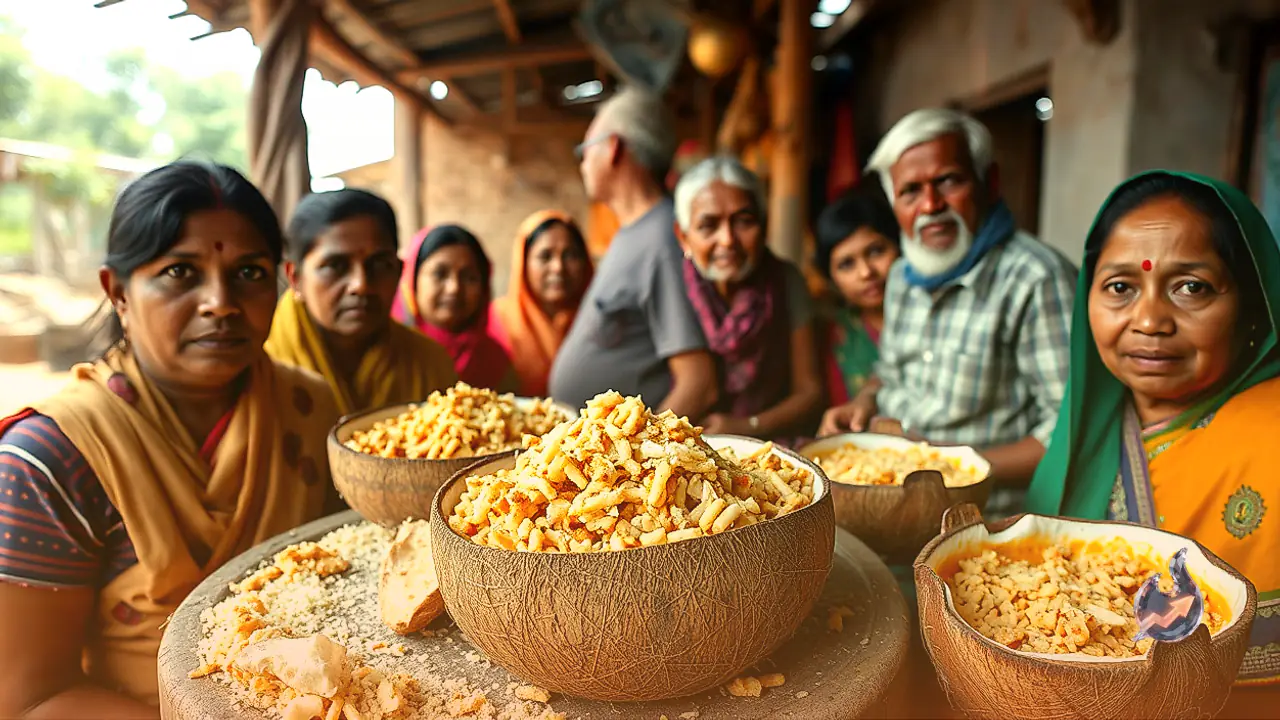
- Granular or Coarse Khoya: Processed with lower moisture levels, this version features a rougher consistency with visible tiny milk granules. Many traditional Indian sweets rely specifically on this crumbly mouthfeel. It is the preferred choice for kalakand, textured fudge, and the spiced fillings inside gujiya, as it provides structure without turning soggy during frying or baking.
How to Check Freshness and Quality When Buying
Rather than simply purchasing whatever is labeled on the shelf, buyers should inspect the condition, aroma, and color of the milk solids before taking them home. Fresh khoya or mawa should always carry a pleasant, mild aroma reminiscent of gently boiled milk. If you detect any sharp, sour, rancid, or unusual odor, avoid purchasing it immediately. Inspect the visual texture as well; excessive stickiness, discoloration, or an oily film can point to improper storage or spoilage. Whenever possible, buy exclusively from reputable, hygienic dairies. Additionally, ask the vendor specifically whether the available batch is soft or dry so that you bring home the exact consistency called for by your recipe.
Preparing Pure Milk Solids at Home
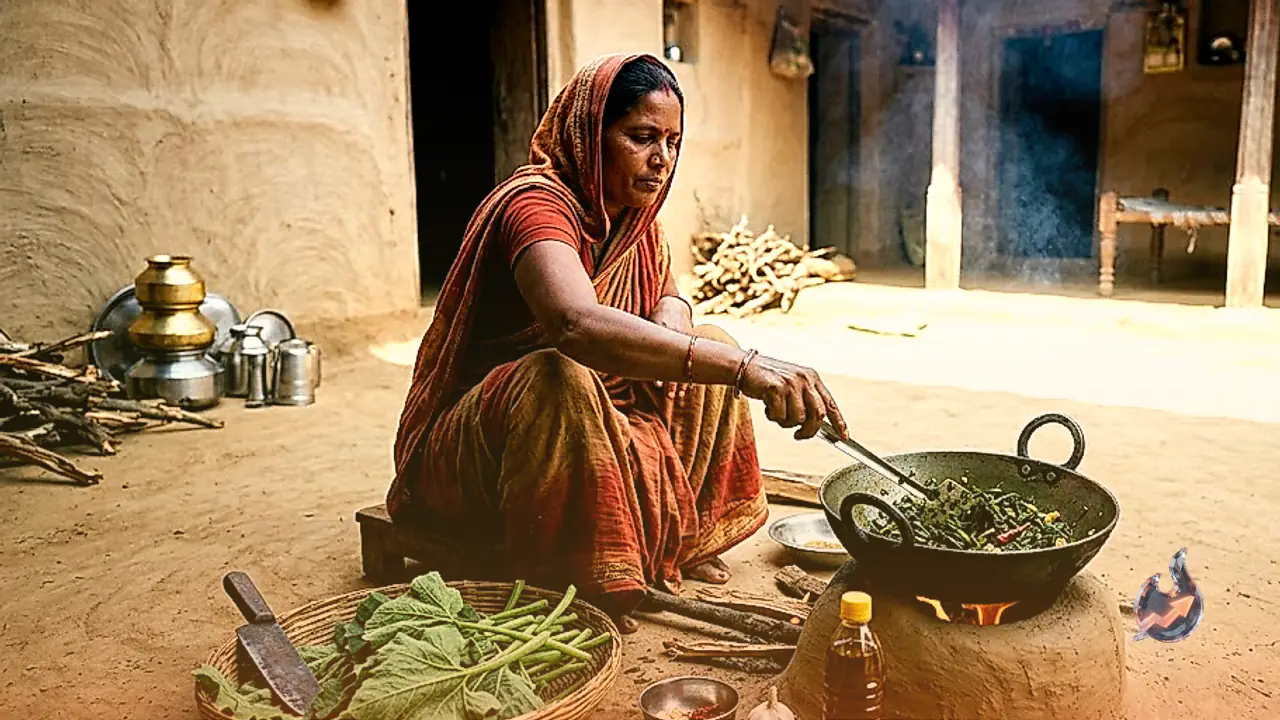
For those who prefer complete control over hygiene and quality, making khoya directly at home requires nothing more than whole milk and patience. Pour the milk into a heavy, thick-bottomed pan and place it over steady low or medium heat. Stir the contents regularly from the bottom up to ensure that solids do not stick or burn along the base. Over time, as steam carries away the moisture, the liquid thickens progressively into a dense paste. Once the moisture has completely evaporated and the mixture pulls away cleanly from the sides of the pan, your homemade milk solid is ready to be cooled and used across your favorite dessert recipes.