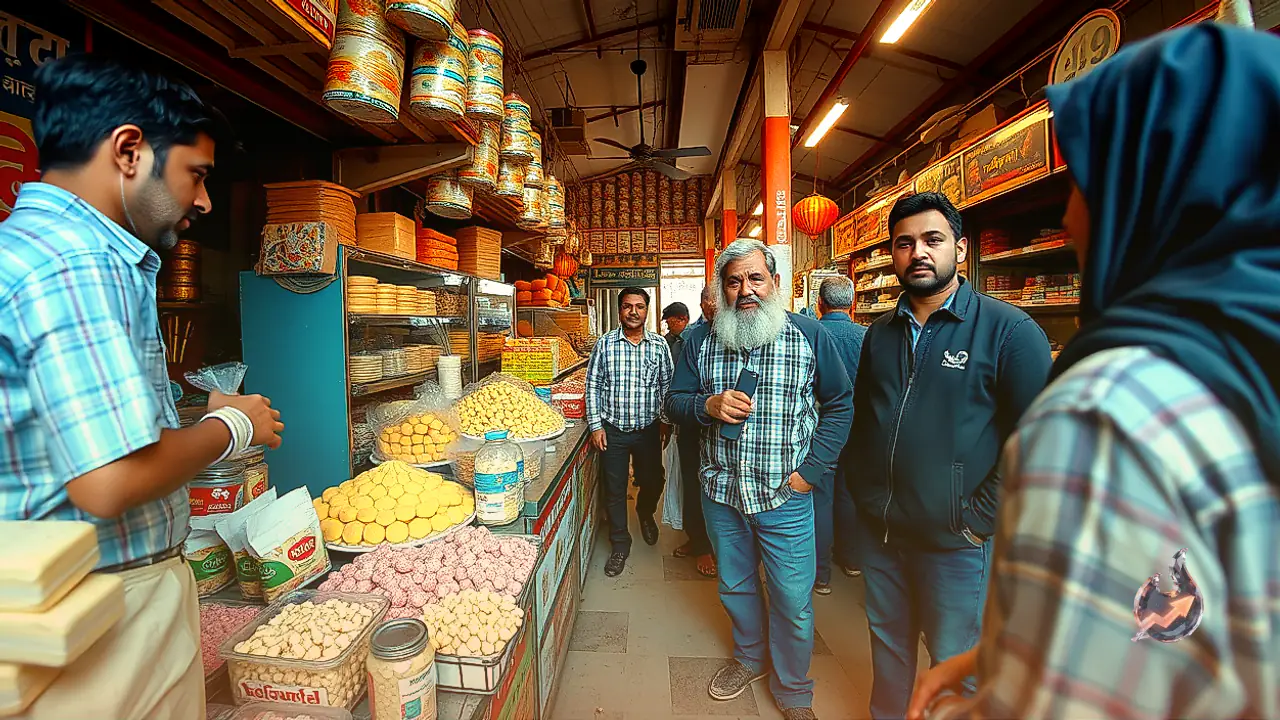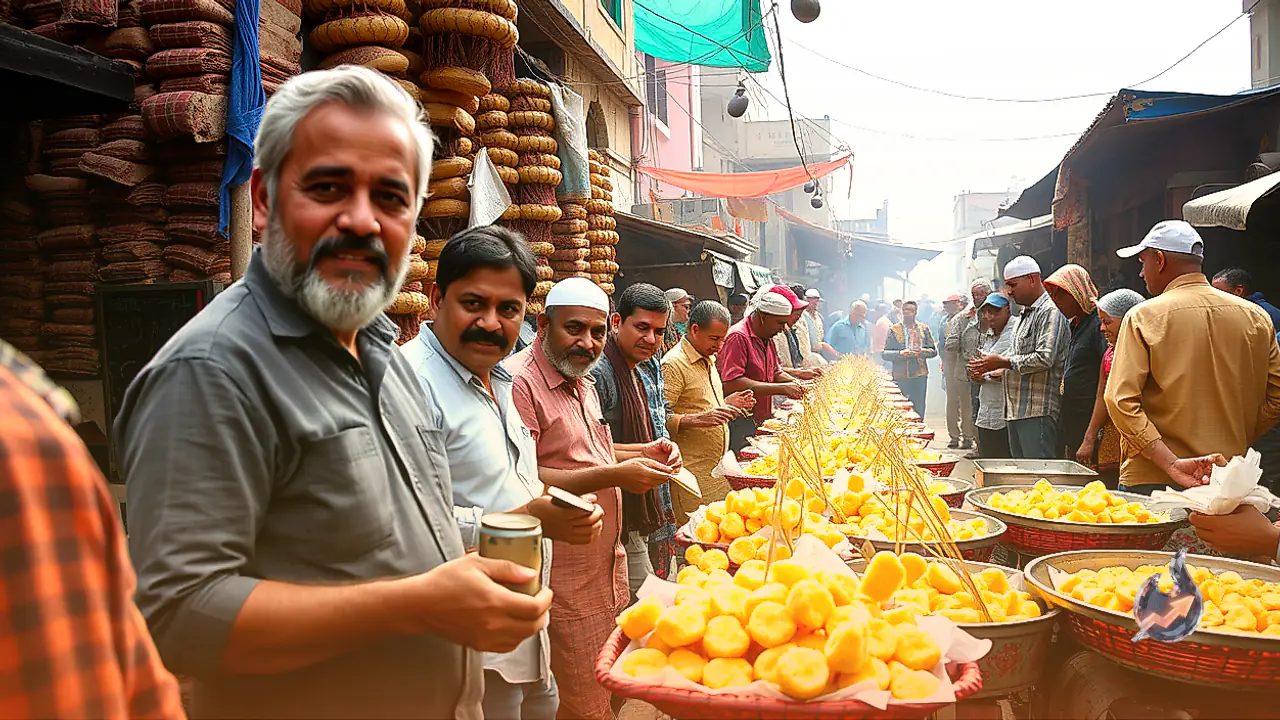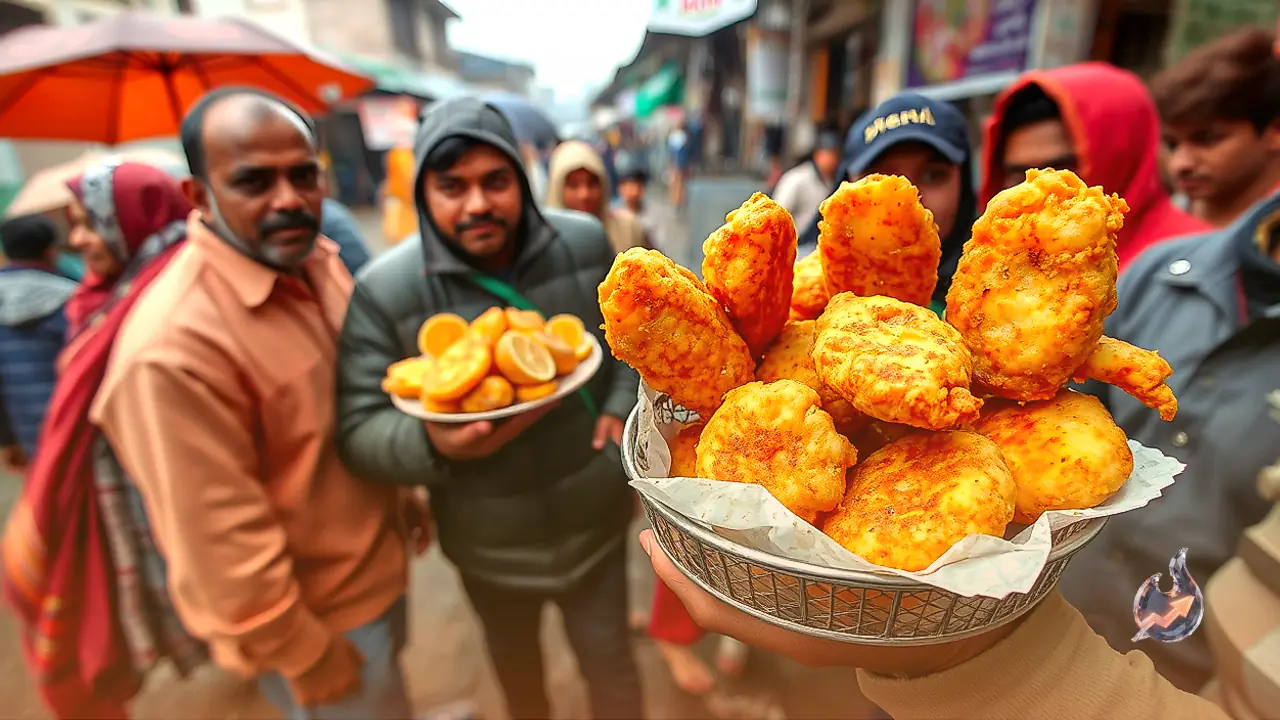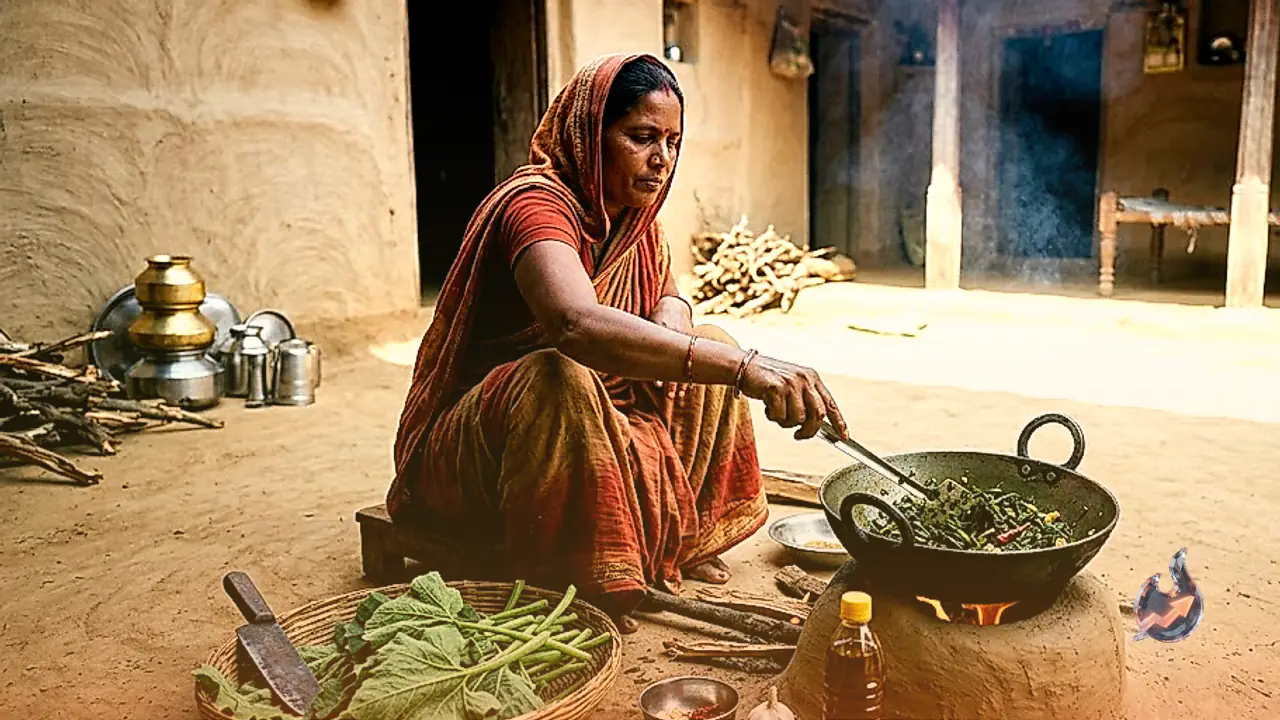




















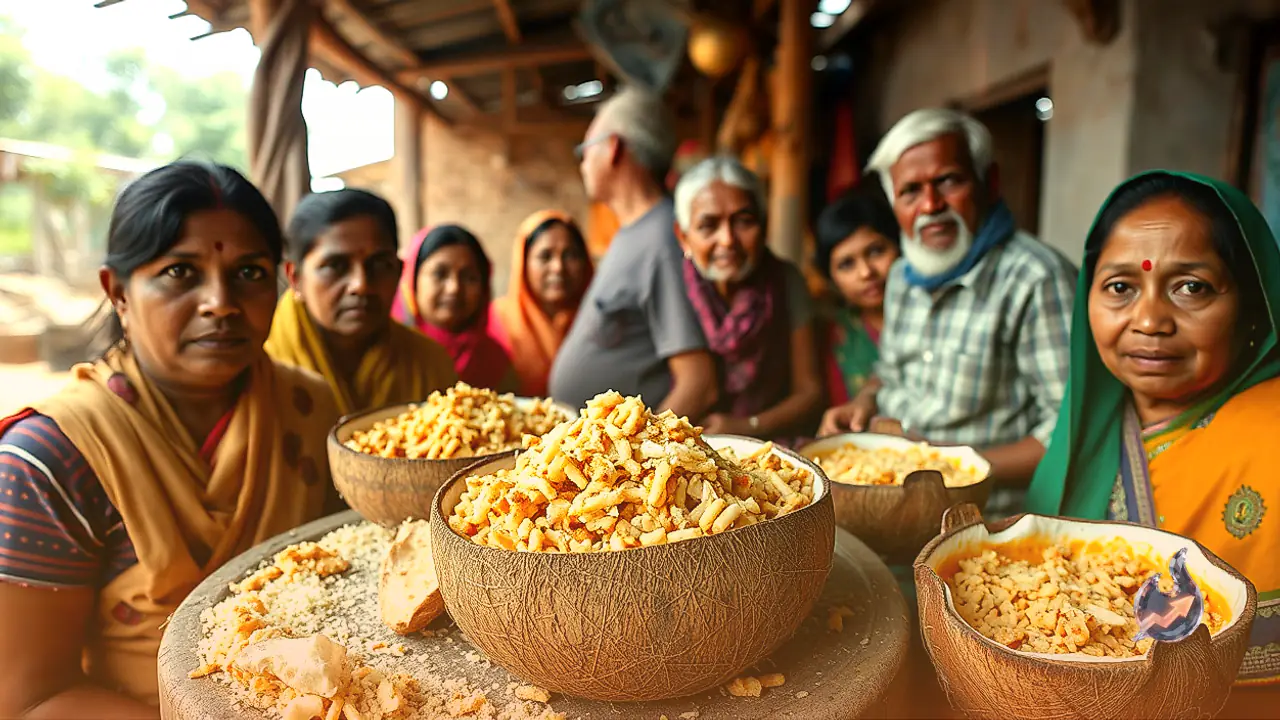

In the Mithilanchal region of Bihar, particularly across Madhubani, gujiya holds a revered status among traditional sweet delicacies. Referred to in the Maithili language as pidikiya, this confection is lovingly prepared for nearly every celebration, family gathering, and festive occasion. Whether households are welcoming guests, treating family members to an everyday dessert, or packing edible gifts for relatives, pidikiya is consistently the preferred delicacy. It is also an essential provision prepared by families whenever children set out for work or studies outside their hometowns.
Cultural Significance and Place in Sacred Offerings
The residents of Mithilanchal relish gujiya with tremendous enthusiasm, integrating it deeply into their religious customs as well as daily hospitality. Along with being served as a prime delicacy to visitors, it is routinely offered as a holy bhog during traditional prayer rituals. Notably, this regional treat also secures a spot within the revered chhappan bhog offerings presented to deities. Its balanced sweetness makes it appealing across generations, preserving its culinary status through changing times.
Varieties and Crafting the Rich Stuffing
Gujiya is prepared in several regional variations depending on the core filling chosen for the pastry. Many households prepare it using roasted semolina, whereas others rely primarily on reduced milk solids known as khoya, desiccated coconut, or varied aromatic mixtures. Sharing her household technique, Anju Devi, a homemaker from Madhubani, explains that carefully prepared pidikiya can easily last for up to 1 month without losing flavor or freshness when stored properly.
To assemble the stuffing from scratch, fresh milk is gently simmered on a low flame until it condenses fully into rich khoya. Separately, dried coconut is finely grated and combined with a measured portion of sugar and chopped dry fruits. Mixing these ingredients thoroughly with the fresh khoya creates the signature filling, ensuring that the overall treat delivers a fragrant, moderately sweet bite rather than excessive sugariness.
Shaping, Traditional Guhna, and Deep Frying
With the sweet filling ready, the exterior pastry is prepared by kneading all-purpose flour into a soft, uniform dough. Small dough portions are flattened and rolled into thin, circular discs. A portion of the khoya and coconut stuffing is spooned directly onto the center of each rolled disc. The edges are carefully folded together and sealed using a decorative hand-crimped edge known in local parlance as guhna, which securely encloses the stuffing.
Once shaped, the pastries are gently lowered into hot oil and deep-fried until they achieve a crisp, golden-brown crust. After being completely cooled to room temperature, the finished treats should be transferred into an airtight glass jar or container. Preventing exposure to air ensures they remain fresh and crisp for daily snacking or sharing with visitors over the subsequent weeks.