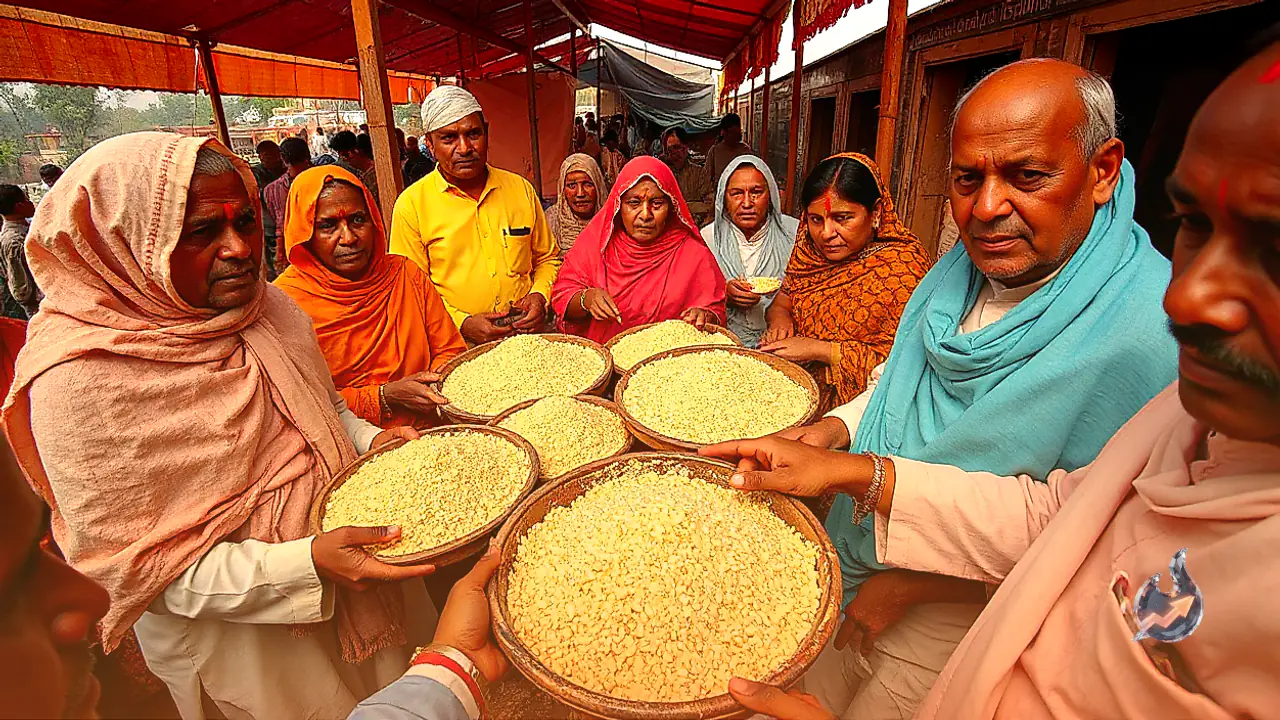






















Hectic city lifestyles, long desk hours, inadequate sunlight exposure, and irregular sleep patterns have made nutritional deficiencies commonplace among urban residents, particularly the lack of vitamin B12 and vitamin D. While daily diets often receive little attention, the staple wheat flour used in most kitchens lacks a comprehensive nutritional profile on its own. Enhancing regular wheat flour with five specific grains, namely gram, sorghum, barley, pearl millet, and finger millet, provides a balanced source of vital nutrients that helps maintain overall fitness and vitality.
The Ideal Ratio for Preparing Multigrain Flour at Home
Preparing fresh multigrain flour at home offers notable health advantages, particularly for individuals dealing with diabetes, heart conditions, or excess body weight. To prepare a 5 kg batch, begin with 3 kg of wheat as the primary base. For the remaining portion, add exactly 400 grams each of gram, barley, sorghum, and pearl millet. Retaining a higher proportion of wheat at the start allows the digestive tract to gradually adjust to the denser grains.
Once the digestive system adapts to regular multigrain flatbreads, the proportion of wheat can be progressively reduced. Over time, individuals can adjust the quantities of barley, gram, sorghum, pearl millet, and maize according to personal preference and tolerance.
Nutritional Advantages of Gram and Traditional Millets
Brown gram serves as an indispensable addition to this combination. High in dietary protein, it aids weight management and supports muscular strength. Gram is also effective in moderating blood sugar levels for diabetics, while providing substantial amounts of dietary fibre and essential iron.
During the colder winter months, combining wheat with gram, maize, sorghum, pearl millet, and finger millet proves especially helpful. Maize, sorghum, and pearl millet possess natural thermogenic characteristics that generate internal body warmth. Rich in complex carbohydrates, these grains break down gradually in the body, providing sustained energy throughout the day. Furthermore, they are dense in essential minerals including iron, zinc, protein, magnesium, and antioxidants, reinforcing immune defense against seasonal ailments like colds and persistent coughs.
The Nutritional Role of Finger Millet
Adding finger millet, commonly known as ragi or madua, significantly boosts the flour mixture. Finger millet has a warming nature, making it particularly suitable for winter consumption. It is naturally gluten-free and loaded with calcium, offering immense support for bone density and joint pain relief. Combined with generous levels of fibre and plant protein, it optimizes digestive efficiency, aids weight loss, and regulates blood sugar levels effectively.