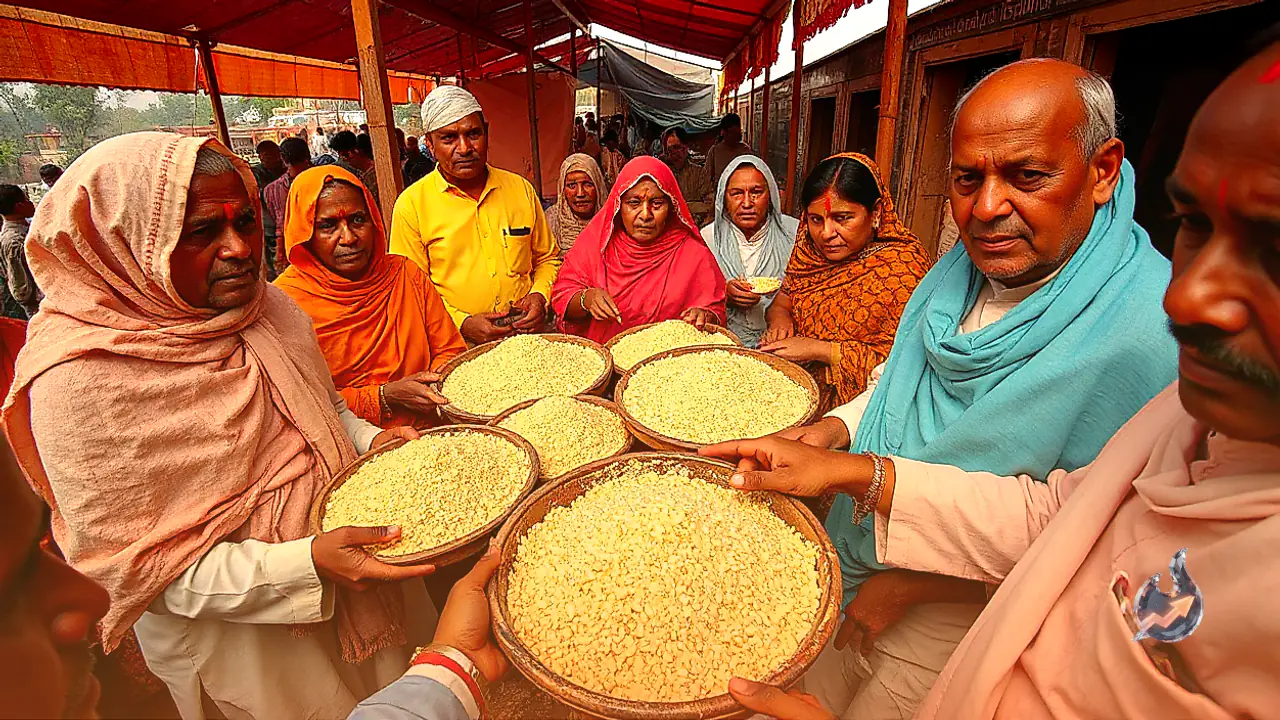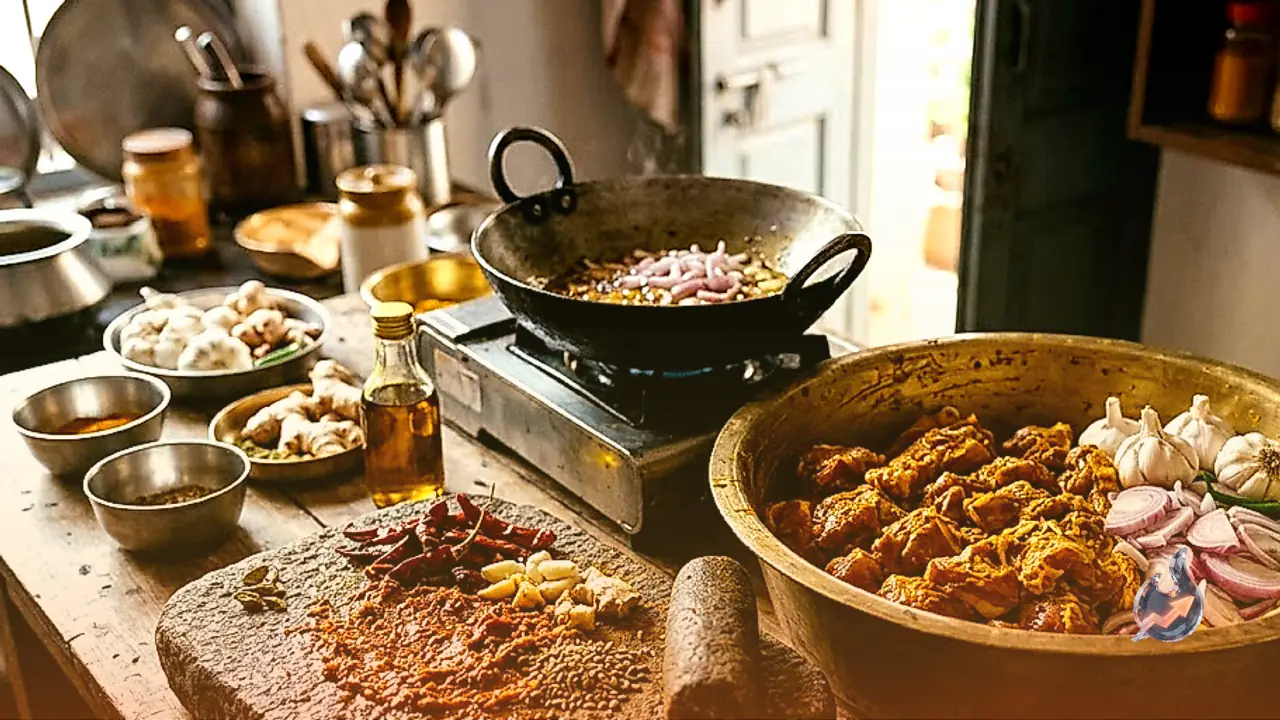



















In the culturally rich region of Mithila, culinary heritage carries deep emotional and spiritual reverence. The grand culinary custom of presenting a lavish spread containing 56 distinct dishes is believed to trace back to the era of Lord Ram. From elaborate religious ceremonies to intimate family gatherings honoring visiting sons-in-law, households across the region keep this elaborate dining tradition vibrantly alive.
The Royal Wedding Feast That Began the Custom
The origin of this grand platter is tied directly to the wedding of Lord Ram with Goddess Sita in Mithilanchal. Historical lore recounts that during the wedding proceedings, King Dasharath, Lord Ram, and the entire wedding procession were treated to an opulent feast composed of fifty-six different dishes. Because Lord Ram is affectionately revered as the son-in-law of Mithila, local families continue to treat their own sons-in-law with the exact same elevated hospitality, presenting them with this traditional culinary showcase.
Regional Delicacies That Define the Platter
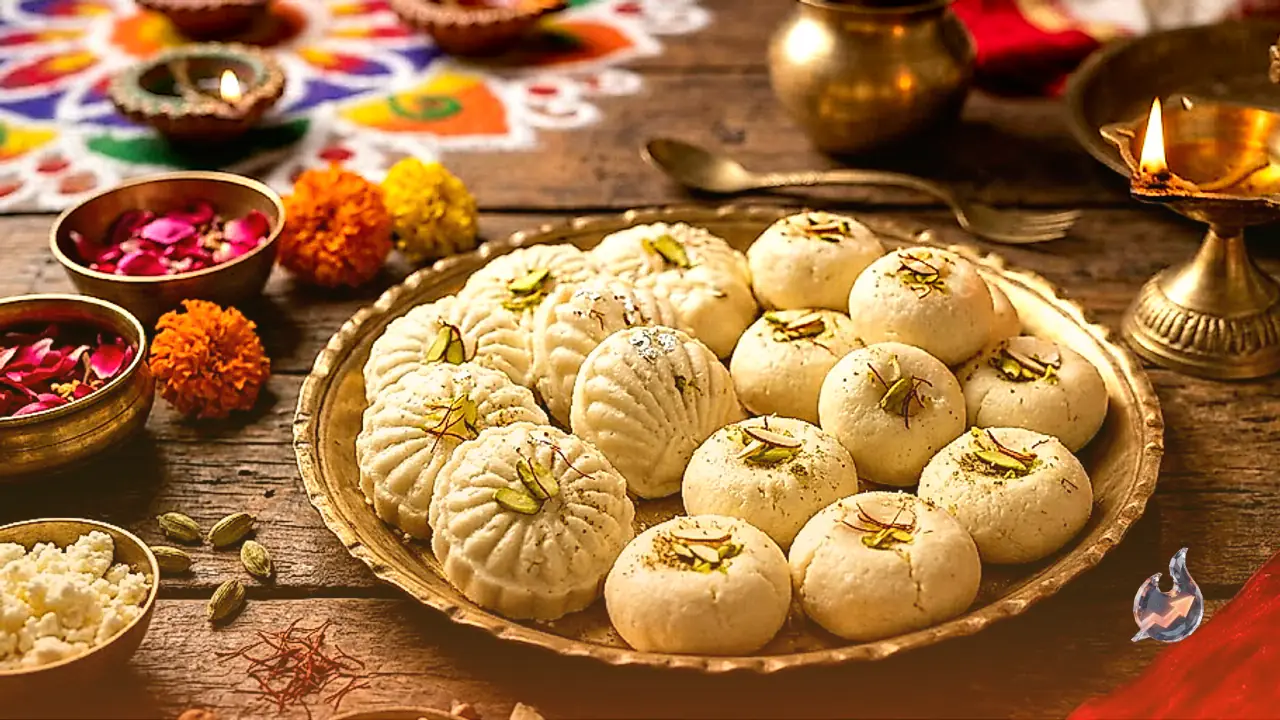
The components of this fifty-six dish platter represent the authentic agricultural and culinary identity of the region. The assortment includes fried pooris, savory fried savories, plain and spiced rice preparations, and an assortment of local vegetable fritters known as tarua, featuring special preparations of tilkor and khamahaur. The dessert section highlights the region's hallmark makhana kheer made from fox nuts, classic rice kheer, and sweet coconut laddoos alongside other regional specialties.
Festive Observances and Offerings to Deities
Beyond honoring visiting sons-in-law, this special feast is carefully prepared for distinguished guests, religious rituals, and traditional kanya feeding ceremonies. Another shared belief links the custom to Lord Krishna, who is famously offered 56 dishes due to his fondness for the spread. Consequently, residents of Mithila regularly cook and share these 56 preparations during major festivals such as Diwali, Krishna Janmashtami, Kali Puja, Durga Puja, and family milestones like children's birthdays.