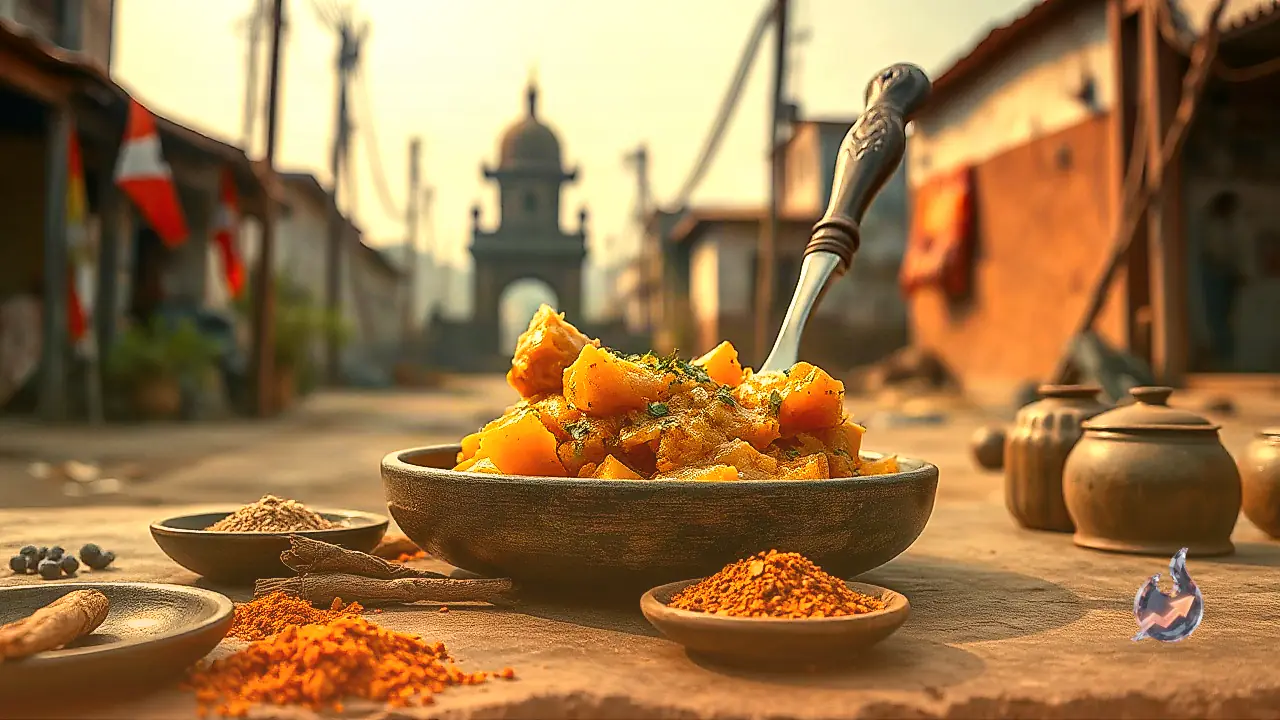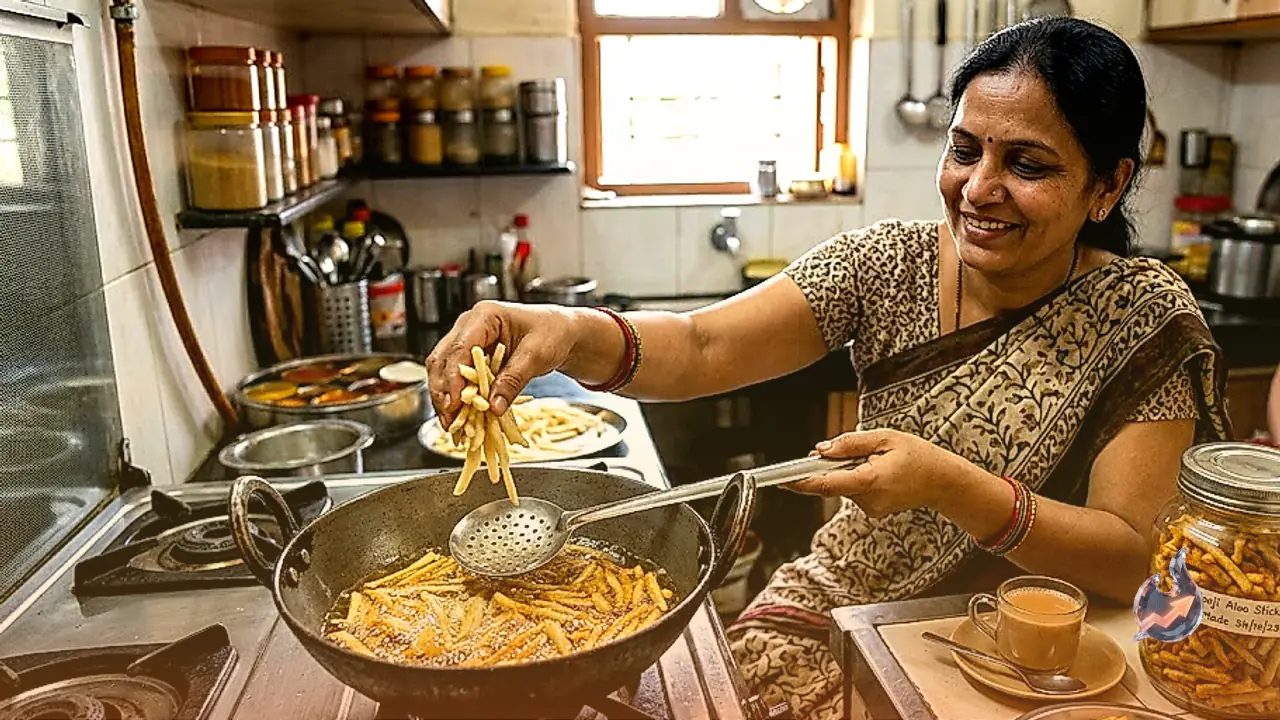

























During fasts and religious observances, dishes made from tapioca pearls, commonly known as sabudana, are a staple in Indian households. Sabudana is not only delicious to eat but also provides an instant boost of energy to the body. Eating it keeps hunger pangs away for extended periods, helping maintain stamina throughout fasting days. From a nutritional perspective, sabudana is packed with essential dietary fiber, iron, calcium, potassium, and antioxidants. Because of these health benefits, it is considered one of the best options for fasting meals. A wide variety of delicacies can be prepared using tapioca pearls, including sabudana kheer, sabudana vada, and crispy sabudana papad. However, sabudana khichdi remains the most popular choice among all. Despite its popularity, many home cooks struggle with its texture, as the khichdi often turns sticky and forms a clumped mass. By following the right soaking techniques and cooking methods, anyone can prepare perfectly non-sticky, fluffy, and pearl-like sabudana khichdi at home.
Why Sabudana Khichdi Turns Sticky and How to Fix It
The primary reason behind sticky sabudana khichdi is excess surface starch and improper water proportions during soaking. If the tapioca pearls are not rinsed thoroughly or are soaked in too much water, they release extra starch during cooking, causing the pearls to stick to one another. Selecting the right variety of sabudana is equally crucial. Larger tapioca pearls are ideal for khichdi compared to smaller varieties, as they retain their distinct structure after cooking. When washed properly and soaked with precise water measurements, each pearl expands and softens without losing its individual texture.
Step-by-Step Recipe for Fluffy Sabudana Khichdi
Follow this detailed guide to make delicious and perfectly separated sabudana khichdi
- Step 1 (Washing the Sabudana): Start by taking 1 cup of large-grain sabudana, which yields enough khichdi for 2 to 3 servings. Place the pearls in a bowl, add water, and gently rub them with your fingers. Drain the cloudy water and repeat this washing process 2 to 3 times. Rinsing thoroughly removes dust and loose surface starch, preventing the pearls from sticking together later.
- Step 2 (The Soaking Technique): Proper soaking is the secret to fluffy khichdi. Pour just enough water into the bowl to submerge the sabudana completely. There should be no excess water floating above the pearls. Cover and let it soak for 4 to 5 hours, or overnight. If soaking during the day, gently stir the pearls once or twice with a spoon so that all grains absorb water uniformly and swell up nicely.
- Step 3 (Preparing the Base): Heat 1 tablespoon of ghee in a pan and fry a handful of peanuts until golden and crunchy. Transfer the fried peanuts to a plate. In the same pan, add 2 to 3 tablespoons of ghee. Add cumin seeds and finely grated ginger, allowing them to sizzle. Stir in 2 finely chopped green chillies and 1 thinly diced potato. Cook on medium heat until the potatoes turn soft and lightly browned. Next, add chopped tomatoes and cook until soft. (Note: Those who avoid tomatoes during fasts can omit them and use extra lemon juice later.)
- Step 4 (Mixing and Serving): Once the tomato base is soft, add the soaked sabudana pearls to the pan. Toss gently to combine, ensuring every pearl gets coated with ghee and spices. Cook on low heat for 2 to 3 minutes until the pearls turn translucent. Turn off the flame, mix in freshly chopped coriander leaves, and squeeze fresh lemon juice on top. Garnish with the fried peanuts and serve warm.
By following these simple guidelines, your sabudana khichdi will remain completely non-sticky, soft, and bursting with authentic flavor. It serves as a wholesome, energizing meal perfect for any fast.