



















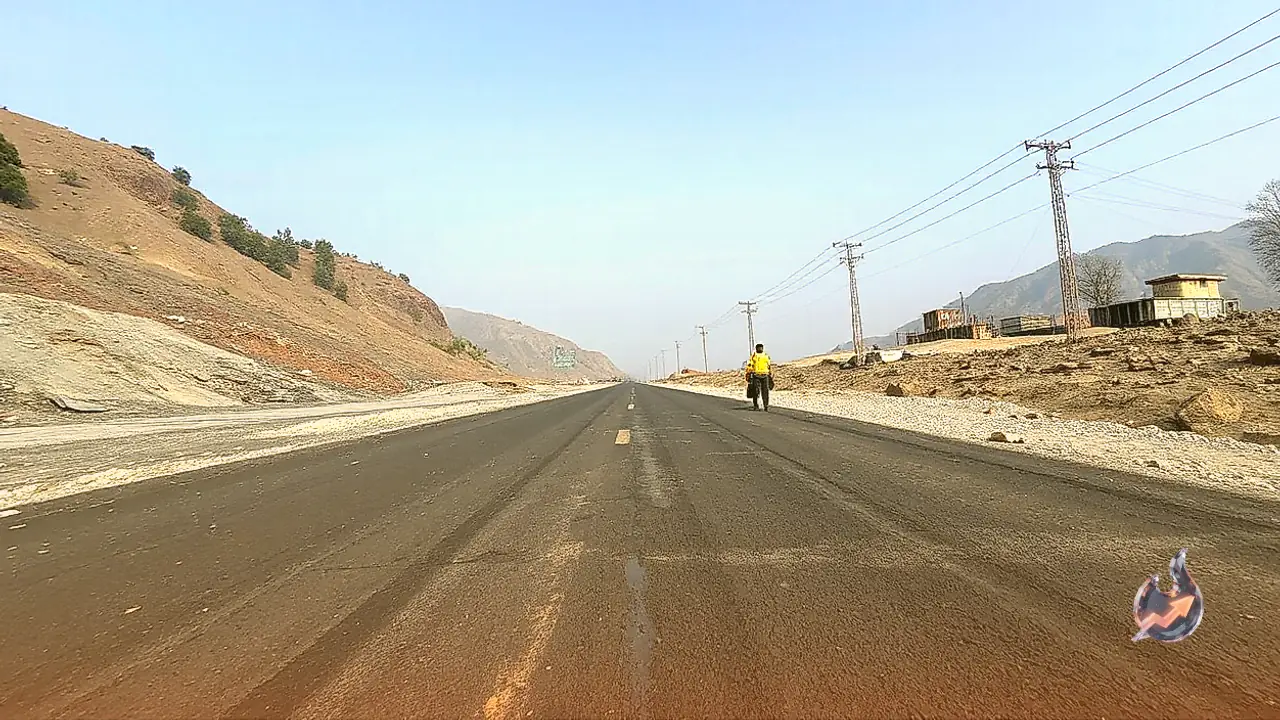

A severe escalation in geopolitical tensions between Iran and the United States, coupled with widespread international disruptions, has sharply driven up the cost of diesel, bitumen, and critical construction supplies, bringing remote road infrastructure projects across Uttarakhand to a near standstill. Contractors tasked with carving connectivity through rugged mountain terrains now face mounting insolvency, as completing long-term projects under outdated agreements and fixed past rates has turned into an unsustainable financial burden.
Contractors Seek Price Variation on Par with Neighboring States
Trapped in escalating losses, infrastructure builders in the hill state have appealed directly to the government, urging authorities to implement price variation mechanisms and roll out a dedicated relief package modelled after neighbouring Uttar Pradesh. The builders argue that with basic raw inputs and fuel costs changing unpredictably overnight, it is impossible for them to absorb steep deficits from their own pockets while trying to keep developmental works moving.
Amit Jain, a contractor associated with the Pradhan Mantri Gram Sadak Yojana, explained that sharply higher bitumen prices have brought work sites to a halt. He stressed that Uttarakhand contractors must be granted financial concessions in line with the measures enacted by Himachal Pradesh and Uttar Pradesh, adding that procedural hurdles in the disbursement of running bills need immediate administrative simplification.
Deadlines Expire While Operational Expenses Surge
Bhim Dutt Bhatt, president of the Garhwal Contractor Association, pointed out that the Uttarakhand administration had earlier issued an order setting an execution deadline of 30 April for various road works. While that directive extended temporary accommodations to contractors, material prices have continued to spiral aggressively ever since. Pointing out that Uttarakhand was formerly carved out of Uttar Pradesh, he maintained that contractual relief norms and frameworks operational in Uttar Pradesh ought to be extended to local projects as well.
Quarry Shortages, In-Situ Material, and Penalty Grievances
Highlighting structural bottlenecks at the ground level, Ramesh Chandra Gahtori, head of the joint federation of PMGSY contractor bodies, stated that in-situ stone quarries simply do not exist in every administrative block of the state. Despite this geographical constraint, the Public Works Department schedule of rates for 2023-24 and 2024-25 establishes block-wise tariff structures that entirely omit provisions for transport charges or ex-quarry logistics.
In standard practice, contractors utilize locally excavated stone and subgrade earth resulting from the contractual hill-side cutting, formation clearance, and foundation excavation. Traditionally, authorities only deducted pre-agreed royalty sums on such material without imposing financial penalties. At present, even when sand, grit, and rock dust are purchased from sanctioned extraction sites with proper transit receipts and deposited with division offices, punitive surcharges are being slapped on billings. Given the spread of reserve forests, landholder objections, and unstable landslide zones, opening quarries in each block remains unfeasible. Requiring builders to haul aggregate from outside regions without compensating them for haulage makes the current rate schedule unworkable.
Demands for Surcharge Rollback and DMF Deductions
The contractors have demanded the immediate rescission of doubled penalty recoveries and punitive circulars issued recently. Gahtori also questioned the recurring deduction of District Mineral Foundation levies from road construction vouchers. The DMF cess is meant to be realized from riverbed mining concessionaires to repair local soil erosion and replenish municipal drinking water networks affected by sand extraction.
Since the formation of Uttarakhand, not a single rupee from the DMF pool has been disbursed to repair or restore road assets damaged by environmental shifts. Contractors questioned why routine road works continue to bear this statutory deduction when none of the proceeds flow back into road restoration, demanding an immediate end to the recovery.
Global Chokepoints and Contractual Escalation Clauses
Detailing the third core grievance, Gahtori noted that the crisis in bitumen availability and pricing represents their most pressing challenge. Following March 2026, the military conflict between the United States and Iran and the subsequent closure of the Strait of Hormuz precipitated an acute petroleum shortage, disrupting international shipments of asphalt and causing open-market prices to skyrocket.
In response to the market shock, several states across northern India, including Uttar Pradesh and Himachal Pradesh, have already compensated contractors by disbursing increased rates calculated at 5 lakh rupees per kilometre on 3.75-metre-wide carriageways. In Himachal Pradesh alone, an initial installment of 22 crore rupees has already been released to builders. Standard Bidding Document clause 54.3 explicitly establishes legal mechanisms to compensate price differences during emergency situations akin to wartime disruption. Despite this clear contractual remedy, the Uttarakhand government has yet to grant equivalent financial adjustments.