





















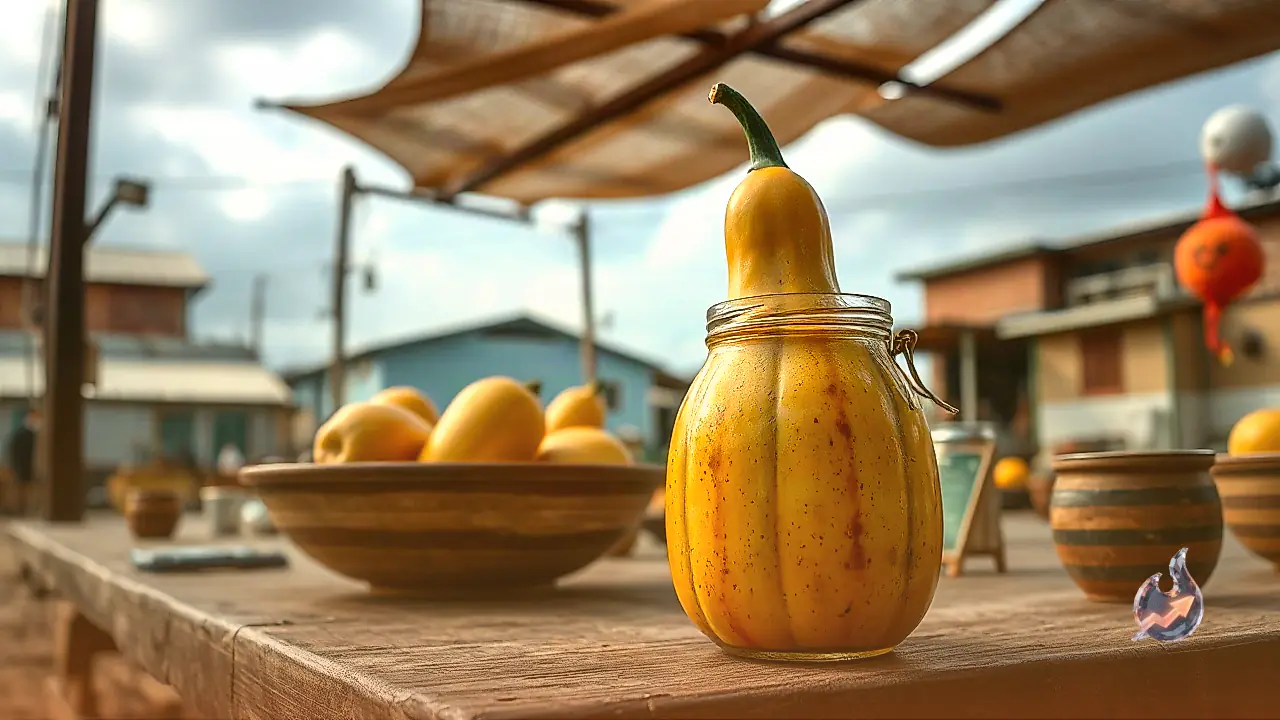

While bottle gourd is frequently viewed as a bland vegetable reserved for recovering patients or light diets, it can easily be transformed into an exceptional and flavorful condiment. Most households limit their preserving traditions to mangoes, lemons, or chillies, leaving bottle gourd entirely overlooked in the pantry. This easy preparation delivers a completely distinct culinary twist that elevates everyday meals while retaining beneficial wellness qualities. When prepared with the proper balance of aromatic spices and moisture control, it offers a refreshing alternative to standard table pickles.
Selecting the Ideal Gourd and Initial Vegetable Prep
The foundation of a successful batch begins with choosing the right produce from the market. For this recipe, you must pick a fresh, firm, and completely tight bottle gourd. Round varieties work just as well as elongated ones, provided the vegetable feels sturdy without any soft spots. Avoiding overripe or spongy vegetables ensures that the cut pieces maintain an appealing bite throughout the curing process.
Once brought home, wash the vegetable thoroughly under clean water to remove any residual dirt. Spread it out under a running fan or in gentle sunlight for around 10 minutes to allow the skin to dry completely. Next, slice the gourd lengthwise into exactly 4 large pieces, making sure not to divide it into more sections at this stage. After sectioning into quarters, cut the vegetable down into bite-sized smaller pieces suitable for pickling.
Assembling the Whole Spices and Grinding Technique
The distinctive punch of this pickle relies on a precise blend of traditional Indian seasonings. The recipe calls for coriander seeds, fennel, cumin, fenugreek, yellow mustard seeds, turmeric, salt, asafoetida, black pepper, Kashmiri red chilli powder, dry mango powder, and yellow mustard oil. If any of these whole spices carry residual moisture from the ambient air, place them on a low flame for 2 to 3 minutes to gently warm through.
Once the spices are lightly toasted and fragrant, transfer them to a grinder. The key detail here is texture: do not pulverize the seeds into a fine dust. The spices must remain coarse, as a textured grind releases oils gradually, adheres much better to the moist vegetable surface, and creates an authentic traditional crunch.
Blanching and Eliminating Moisture for Long Shelf Life
Transfer the chopped gourd pieces into a pot of water and bring it to a boil for approximately 2 to 3 minutes until they turn slightly tender. Overcooking must be strictly avoided so that the vegetable does not turn mushy. As soon as the pieces soften slightly, take them out of the hot water using a slotted spoon and spread them out evenly.
Allow the blanched pieces to dry under a fan for roughly 30 minutes. This drying step is absolutely essential for preservation. Trapped water or lingering surface moisture is the primary cause of spoilage in homemade preserves. Giving the vegetable half an hour of good air circulation expels internal dampness and prepares the gourd to absorb the spice-infused oil thoroughly.
Mixing the Seasoning Paste and Final Skillet Cooking
To assemble the spice paste, empty the coarse spice mix into a mixing vessel. Mix in salt according to taste. Meanwhile, heat the yellow mustard oil thoroughly in a pan until it reaches its smoking point, eliminating any pungent raw bitterness, and then let it cool down entirely. Pour this cooled oil into the dry spice blend and mix thoroughly until a uniform seasoning paste forms.
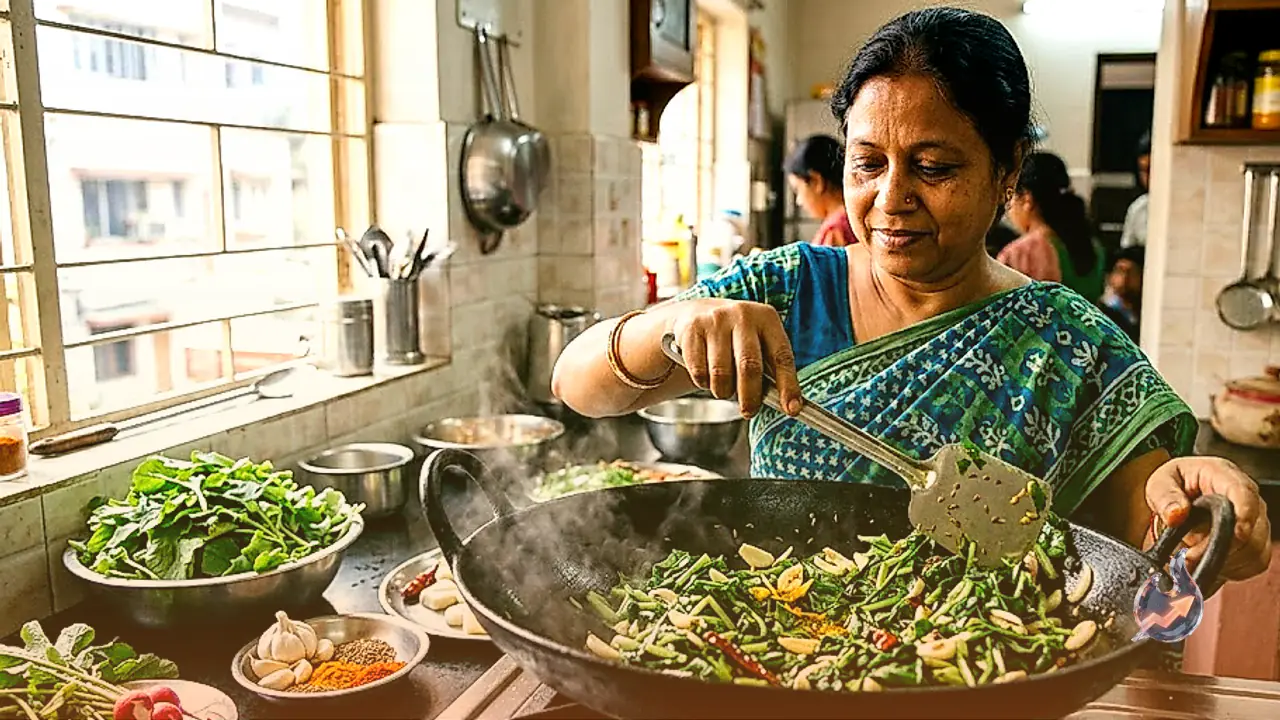
To bring everything together, pour a little oil into a pan, add the entire spice mixture, and warm it gently for about 2 minutes. Once the seasonings bloom in the heat, tip in all the blanched, dried gourd pieces. Cook over low heat for approximately 1 minute, tossing steadily so that the aromatic spice coating blankets every piece evenly. This brief heat treatment binds the flavors immediately, making the pickle ready to eat without requiring weeks of sun curing.
A Refreshing Preserve Ready to Serve Instantly
Crafted using this method, the pickle offers an entirely different flavor profile compared to ordinary gourd curries or chutneys. It manages to deliver a rich, tangy punch that can be eaten immediately while remaining stable for several months without going bad. For anyone seeking a novel way to enjoy the nutritional perks of bottle gourd, this quick skillet recipe serves as a dependable kitchen innovation.