























While jackfruit is widely enjoyed as a hearty savory vegetable, turning it into a sharp, spiced pickle elevates every meal to a festive experience. However, home cooks frequently avoid making this specialty due to the stubborn, gum-like white sap that coats blades and fingers during prep. Mona Chawla, who brings nearly 50 years of specialized pickling expertise, explains that understanding a few subtle handling techniques can make this process entirely hassle-free while ensuring the finished batch remains perfectly preserved for an extended shelf life.
Selecting the Raw Produce and Initial Chopping
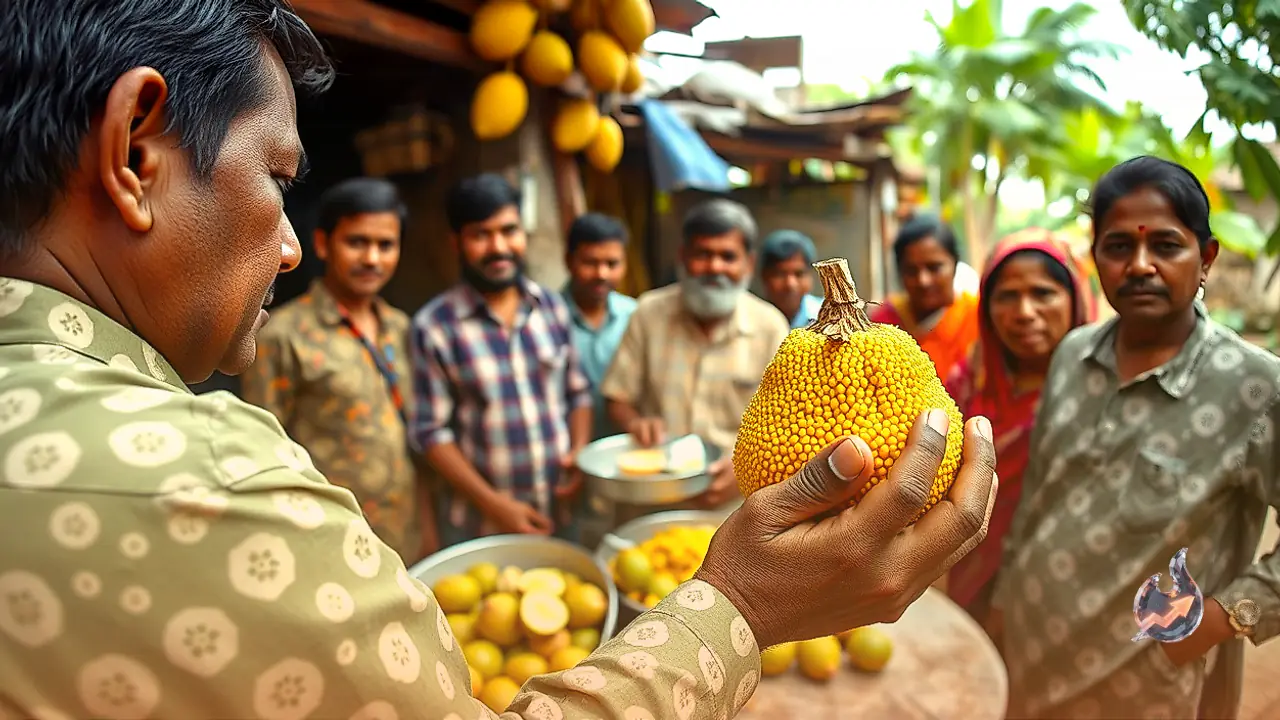
The foundation of long-lasting pickle lies strictly in selecting the right stage of the produce. Chawla stresses that cooks must choose firm, completely raw, and freshly harvested jackfruit. Any fruit that has begun to ripen or soften is unsuitable because sweet undertones ruin the balance of pickling spices. To prepare the fruit, use a sharp culinary knife to carefully pare away the outer thick, thorny green skin until only clean flesh remains. Following that, excise and discard the tough, woody central core, before cutting the remaining tender flesh into uniform, bite-sized square chunks.
Overcoming Sticky Sap and Eliminating Internal Moisture
The primary barrier to cutting raw jackfruit is its viscous, latex-like sap, which binds stubbornly to flesh and cutlery. To counteract this nuisance, Chawla recommends thoroughly rubbing a liberal coating of raw mustard oil over both your palms and the knife blade before initiating a single cut. This oily barrier prevents sap adhesion, making chopping smooth and effortless. Additionally, Chawla highlights a crucial rule: the cut jackfruit pieces must never be washed under running water. Instead, spread the prepared chunks across clean trays in bright direct sunlight for a short period to evaporate surface dampness. Trapped water in any homemade pickle dramatically raises the threat of mold contamination and premature spoilage.
The Raw Mango Technique and Balanced Ingredient Measurements
The defining element in Chawla's master formula involves incorporating grated raw green mango into the mix. For large gatherings preparing approximately 5 kg of jackfruit, adding around 2.5 kg of freshly grated unripe mango yields the ideal result. Scaled down for standard household preparation using 1 kg of raw jackfruit, roughly 500 grams of grated raw mango should be incorporated. The intense natural acidity of unripe mango imparts a mouth-watering tartness while acting as an organic tenderizer that speeds up softening.
For a baseline batch utilizing 1 kg of jackfruit, the exact pantry requirements include
- Approximately 250 grams of mustard oil
- 4 tablespoons of whole mustard seeds
- 3 tablespoons of aromatic fennel seeds
- 2 tablespoons of whole fenugreek seeds
- 1 tablespoon of nigella seeds (kalonji)
- 2 tablespoons of ground turmeric
- 2 tablespoons of red chili powder
- Table salt, adjusted to personal taste
- 3 to 4 tablespoons of vinegar, serving both to brighten tartness and extend preservation
Spice Blend Preparation and Final Storage
Chawla customarily grinds bespoke aromatic spices at home, though she notes commercial pickling powders provide an acceptable shortcut when time is limited. For an authentic homemade mix, coarsely grind the mustard, fennel, fenugreek, and nigella seeds together before folding in the turmeric and red chili powder. In a wide mixing vessel, combine the sun-dried jackfruit chunks with the grated mango, salt, and spice blend, tossing thoroughly until every surface is evenly coated. Pour in the measured mustard oil, stirring gently to bind the aromas. Finally, splash in the vinegar and decant the prepared pickle into an impeccably cleaned, moisture-free jar. Thanks to the softening power of grated green mango, the jackfruit matures rapidly without necessitating endless waiting weeks before serving.