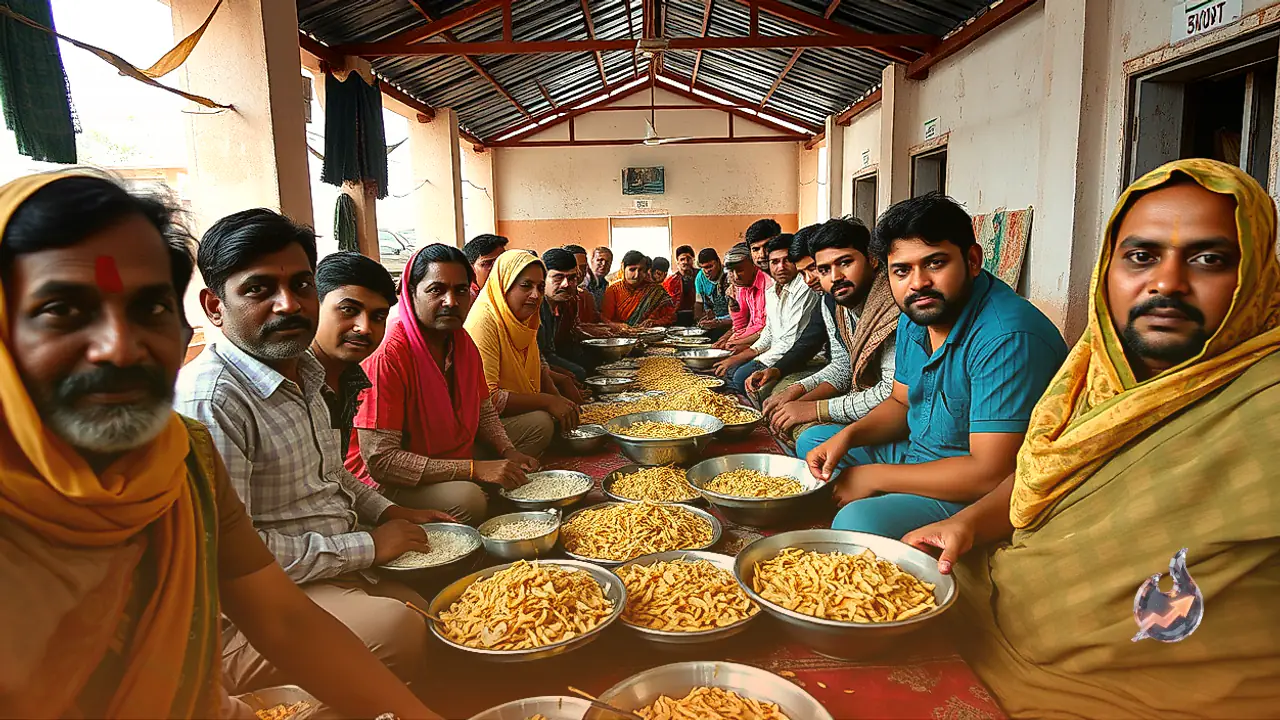


















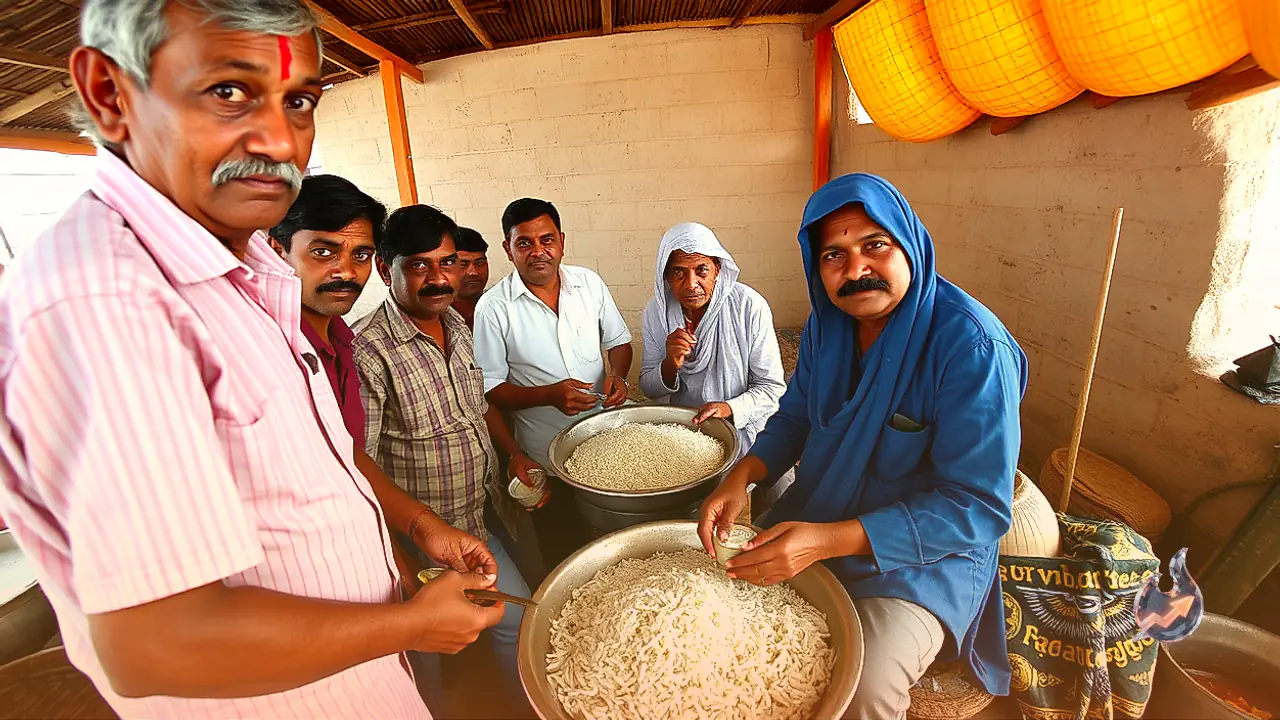

Different regions across the country boast their own unique culinary traditions. While some areas favor dishes loaded with spices and cooking oils, others rely on simple daily meals as a core part of their diet. In Odisha, a traditional dish known as Pakhala Bhat occupies a prominent place, prepared primarily using cooked rice and water. Deeply rooted in the local lifestyle and culinary culture of the region, this dish goes beyond merely filling the stomach, serving instead as a reflection of local dietary heritage.
Varieties and Preparation Methods of Pakhala
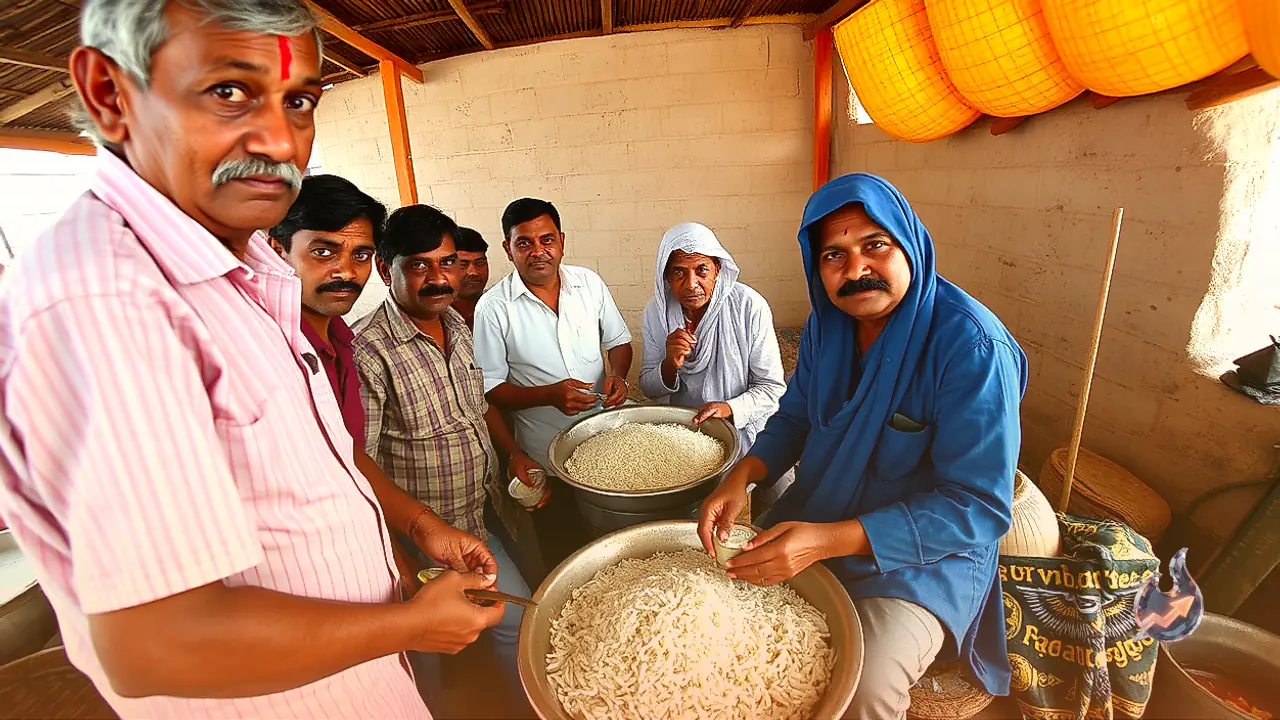
The traditional dish is generally created by mixing water into cooked rice. In many households, the mixture is left to sit for a period so that a mild, natural sourness develops within it. Depending on how it is prepared, different varieties of the dish can be found. Freshly made variants are referred to as Saj Pakhala, whereas versions kept for some time that develop a tangy profile are known as Basi Pakhala. It is frequently accompanied by salt, green chili, onion, and lime. Side dishes such as mashed potatoes, roasted vegetables, leafy greens, bori, or fried fish may also be served alongside it, though serving preferences can vary depending on families and localities.
Why the Dish is Favored in Summer
During the peak summer season, Pakhala Bhat sees high popularity across households in Odisha. Because it is consumed with water, the meal can feel light and refreshing. Given that the human body requires adequate fluid intake during hot weather conditions, this water-based traditional meal has remained a regular fixture in local diets across generations. However, the dish should not be viewed as a miraculous remedy against extreme heat. Maintaining a stable body temperature still requires drinking sufficient water, avoiding harsh sunlight, and consuming a balanced diet overall.
Cultural Significance and Pakhala Day
The dish maintains a deep connection with the traditional eating habits of the people of Odisha. One of its notable attributes is that it requires neither expensive ingredients nor a complicated cooking process. Made from everyday staples like rice, this preparation has been consumed in homes across generations. Every year on March 20, Pakhala Day is celebrated across Odisha. The observance aims to give proper recognition to this traditional food and highlight its cultural importance. Today, the dish has moved beyond residential kitchens to find a place in restaurants and various events celebrating Odia cuisine.
Simplicity and Necessary Hygiene Precautions
The greatest asset of Pakhala Bhat lies in its sheer simplicity. Rice, water, and chosen side dishes combine to form a meal that bridges both flavor and heritage. Although keeping the rice for a period can develop a natural sourness, maintaining clean water, sanitized utensils, and proper hygiene during preparation is essential. Leaving cooked rice out at room temperature for extended periods is considered unsafe due to the risk of harmful bacterial growth.