


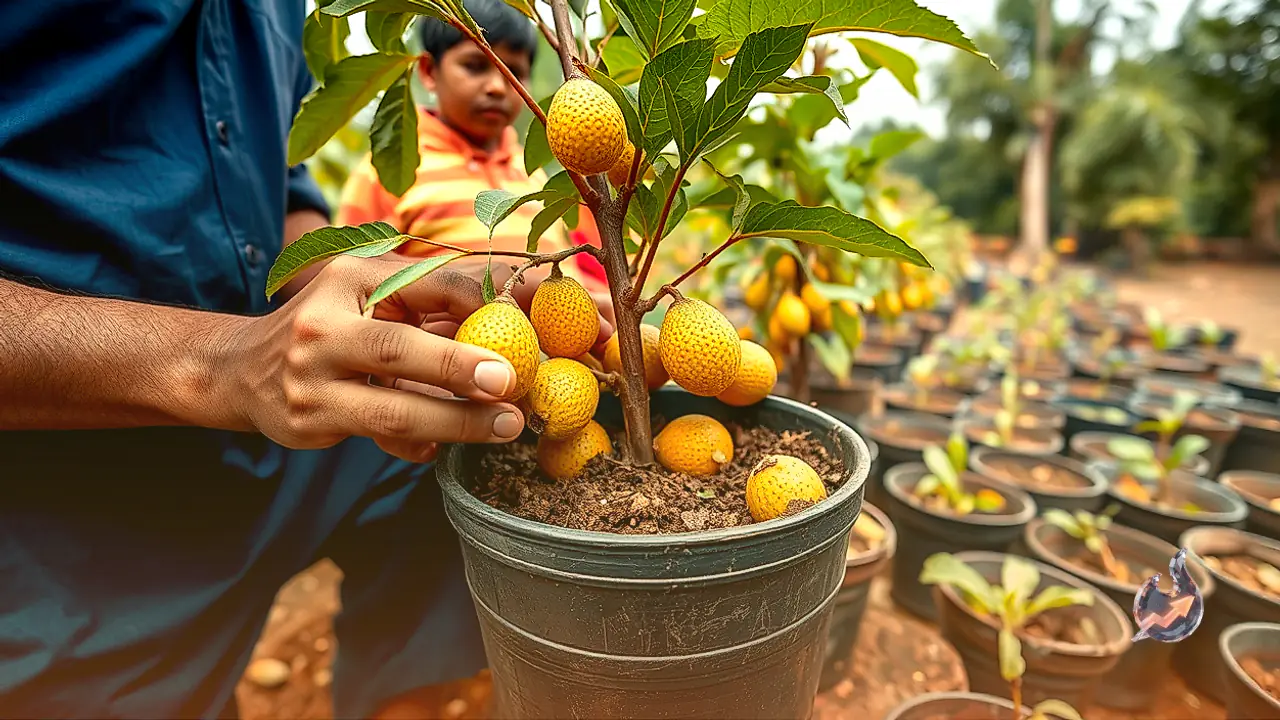




















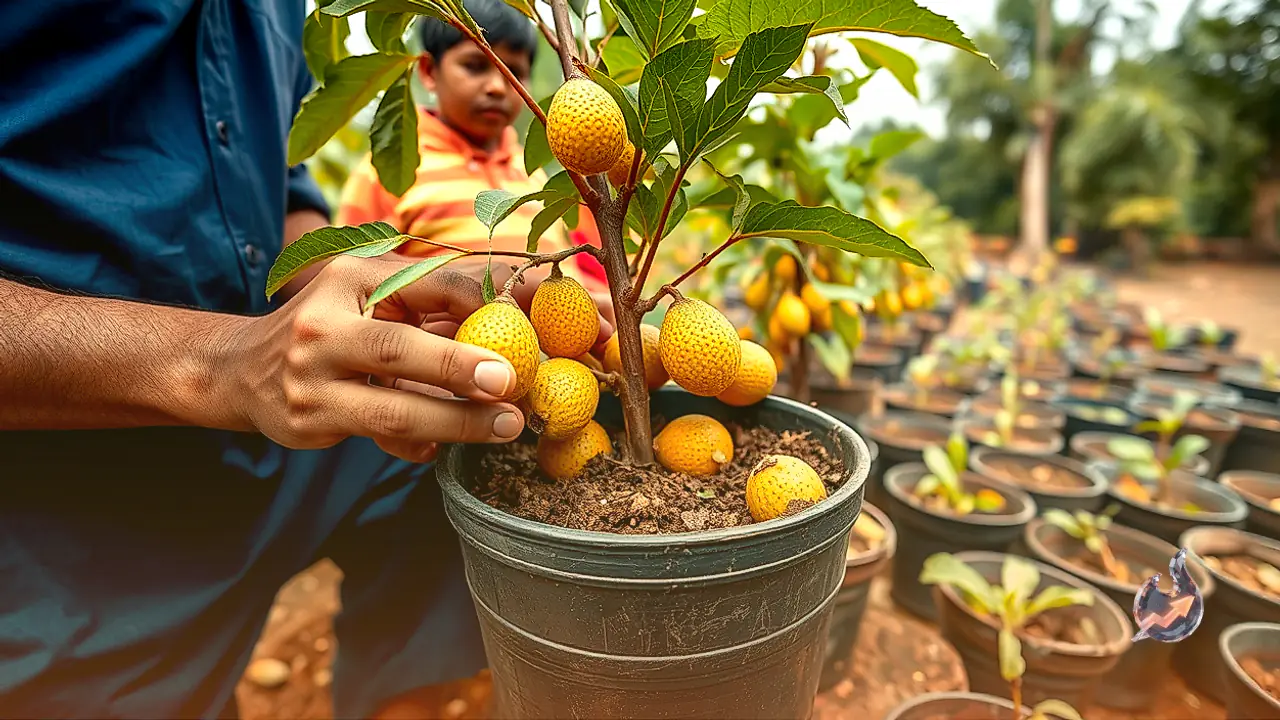

In West Champaran, Ayurveda experts have highlighted Bhumi Amla as a remarkable medicinal and miraculous plant. Completely different from large Amla trees, Bhumi Amla is a small plant whose leaves contain dozens of active enzymes. At first glance, it may look like ordinary grass, but its health benefits are profound. The month of October is considered particularly significant for consuming this herb and planting it in home pots.
A Powerful Remedy for Liver and Stone Problems
Medicinal plant expert Ravikant Pandey explains that tiny round fruits resembling miniature Amla hang from the underside of Bhumi Amla leaves, which is why it is also known as Bhu Dhatri or Bhui Amla. It is considered highly effective for conditions such as jaundice, fatty liver, hepatitis B, and liver inflammation. It helps detoxify the liver by flushing out harmful toxins from the body. Ayurveda describes the use of every part of this plant, ranging from its leaves and stems to roots, flowers, and fruits. If a person regularly consumes a decoction made from its leaves, they can prevent stone formation, and existing stones can dissolve and pass out.
Protection from Skin Ailments and Seasonal Infections
Bhumi Amla has a bitter and astringent taste, which helps keep blood sugar levels under control while providing relief from stomach ulcers and indigestion. Consequently, consuming it benefits individuals suffering from these ailments. Furthermore, crushing and applying its leaves on ringworm, itching, or injuries provides immediate relief from swelling and pain. During the October weather shift, colds, viral infections, and coughs become common. To prevent these, Bhumi Amla can be utilized as it is rich in antioxidants, which enhance the body's immune system.
Proper Method and Timing for Pot Cultivation
Expert Ravikant states that the Bhumi Amla plant can be grown in any ordinary soil. However, it is essential to mix cow dung manure, a little sand, and vermicompost into the soil. The size and depth of the pot significantly impact the plant's growth, so selecting the right container is vital for its proper development.