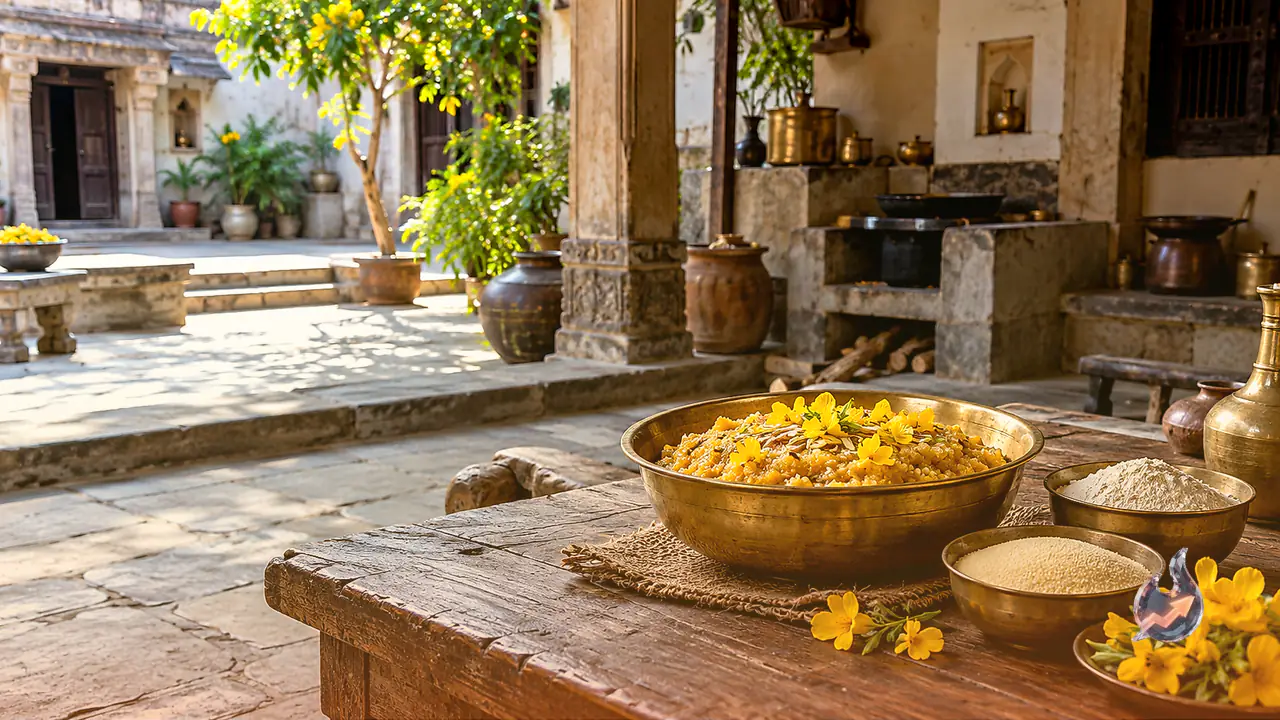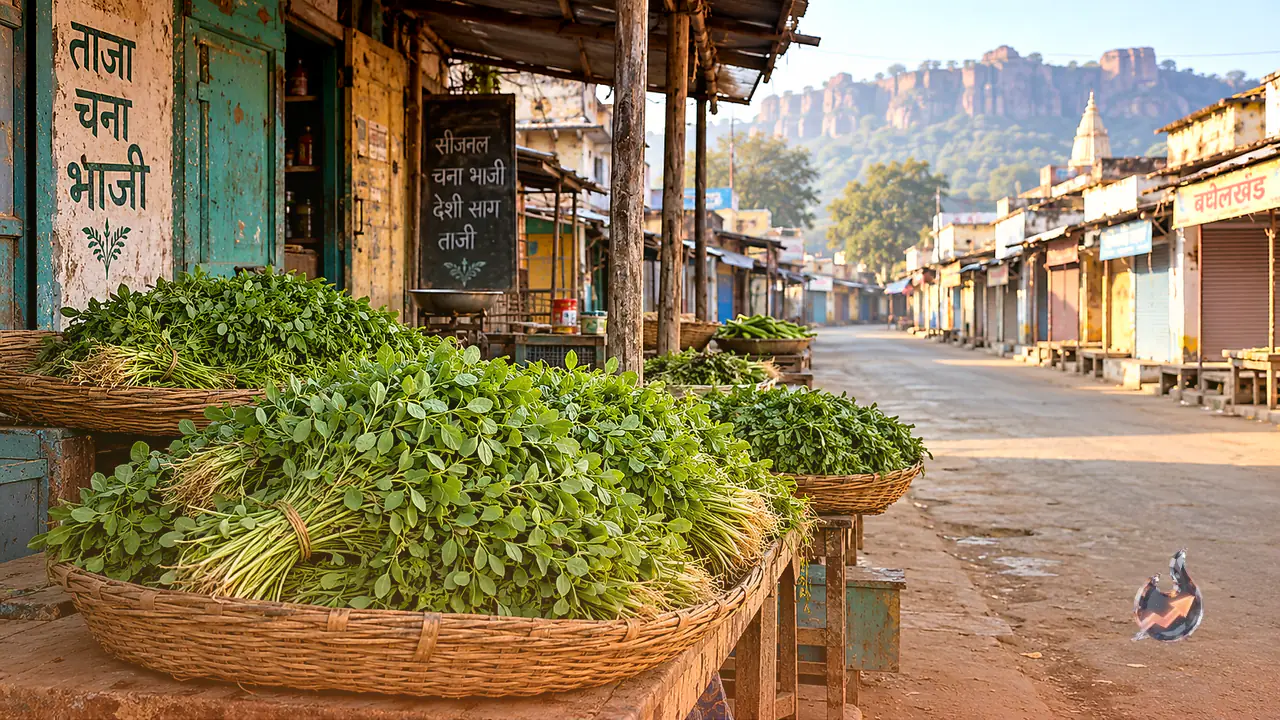























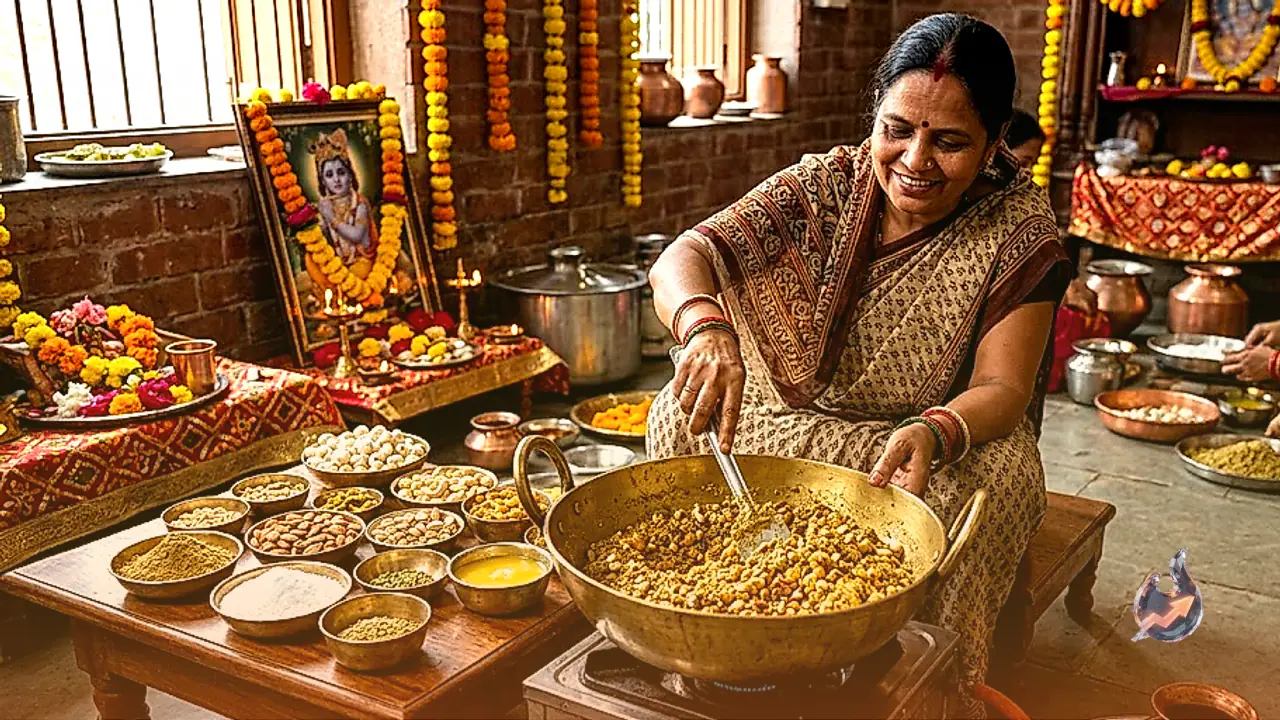

With the auspicious festival of Shri Krishna Janmashtami right around the corner, festive preparations have begun in full swing across households. Celebrating the birth of Lord Krishna at the midnight hour of Ashtami Tithi in the month of Bhadrapada is a sacred tradition. Devotees offer a variety of special prasad and bhog to Lord Krishna, with makhan-mishri and dhaniya panjiri holding immense religious significance. According to traditional beliefs, the Janmashtami midnight worship remains incomplete without offering this auspicious dhaniya panjiri. If you want to avoid adulterated market sweets and prepare pure, fragrant, temple-style dhaniya panjiri at home, this detailed step-by-step recipe will guide you through the process effortlessly.
Essential Ingredients for Dhaniya Panjiri
Creating authentic temple-style dhaniya panjiri requires simple, traditional kitchen ingredients. The main components include coriander powder, pure ghee, nuts, and sugar
- Dry Coriander Powder: The core base of the panjiri, which is roasted gently on low heat.
- Almonds: 10 to 12 (finely chopped).
- Cashews: Finely chopped (as required).
- Dry Grated Coconut: 1/2 cup.
- Fox Nuts (Makhana): Added for an agreeable crunch.
- Cardamom Powder: 1/2 teaspoon (optional, for enhanced aroma and flavor).
- Powdered Sugar: Added to sweeten the mix once completely cooled.
- Pure Desi Ghee: 1 tablespoon for roasting nuts, plus additional ghee for roasting coriander powder.
Roasting Nuts and Fox Nuts to Perfection
Properly roasting the dry fruits is essential to give the panjiri a delightful crunch and rich flavor profile. Begin by heating 1 tablespoon of pure desi ghee in a heavy-bottomed kadhai over medium flame. Once the ghee melts completely, add 10 to 12 finely chopped almonds along with chopped cashews. Roast them continuously until they achieve a subtle golden color. Make sure the heat is not too high, as nuts burn quickly and can turn bitter. Once roasted, transfer them immediately onto a clean plate and set them aside.
In the same kadhai, add the fox nuts (makhana) and roast them on medium heat until they turn completely crispy. Stir constantly to ensure even roasting. Once they are thoroughly crunchy, turn off the heat and allow the makhana to cool down slightly. Using your hands, a heavy spoon, or a mortar and pestle, coarsely crush the roasted makhana. It is vital not to grind them into a fine powder; keep them in small, coarse pieces to retain their distinct texture in every bite of the panjiri.
Slow-Roasting the Coriander Powder
The most crucial step in making dhaniya panjiri is slow-roasting the dry coriander powder. Melt all the remaining ghee in the kadhai over low heat. Add the coriander powder and adjust the flame setting to medium-low. Roast the powder continuously for 10 to 12 minutes. As the coriander roasts gradually, its color will deepen slightly, and a captivating, nutty aroma will fill the kitchen.
Never increase the heat during this stage, as coriander powder burns very quickly. Burnt coriander ruins the taste of the panjiri by imparting a harsh bitter flavor. Once the coriander powder is thoroughly roasted and fragrant, add the previously roasted almonds, cashews, and coarsely crushed makhana into the kadhai. Stir all ingredients thoroughly for a minute so that the nuts and coriander mix uniformly, then immediately turn off the gas stove.
Cooling the Mixture and Final Assembly
After turning off the flame, patience is required for the next critical phase. Allow the roasted coriander and nut mixture in the kadhai to cool down completely to room temperature. This is the single most vital rule of the recipe. Never add powdered sugar while the mixture is hot or warm. High temperatures will melt the sugar, creating unwanted moisture and ruining the desired grainy texture of the panjiri.
Once the mixture has cooled completely, add 1/2 cup of dry grated coconut and powdered sugar according to taste. For an appealing aromatic touch, you can also add 1/2 teaspoon of cardamom powder at this point. Mix all components thoroughly using a clean spoon or your hands so that the coconut and sugar are distributed evenly throughout the panjiri. Your pure, temple-style dhaniya panjiri is now ready for divine offering.
Pro Tips for Consistency and Storage Guidelines
To ensure perfect results every single time, keep a few crucial cooking tips in mind. Avoid rushing the roasting process; coriander powder, nuts, and makhana must always be roasted over low to medium flame. To make the panjiri even more nutritious and rich in taste, you can optionally include finely chopped pistachios, walnuts, or melon seeds (magaj seeds) during the roasting stage.
For proper storage, ensure the panjiri is completely cooled before transferring it into a clean, dry, air-tight container. To extend its shelf life further, the sealed container can be stored inside a refrigerator. Always use a completely dry spoon when scooping out the panjiri to prevent any moisture contamination. This Janmashtami, skip adulterated store-bought prasad and prepare this pure homemade dhaniya panjiri to offer to Baal Gopal and share with your loved ones.