





















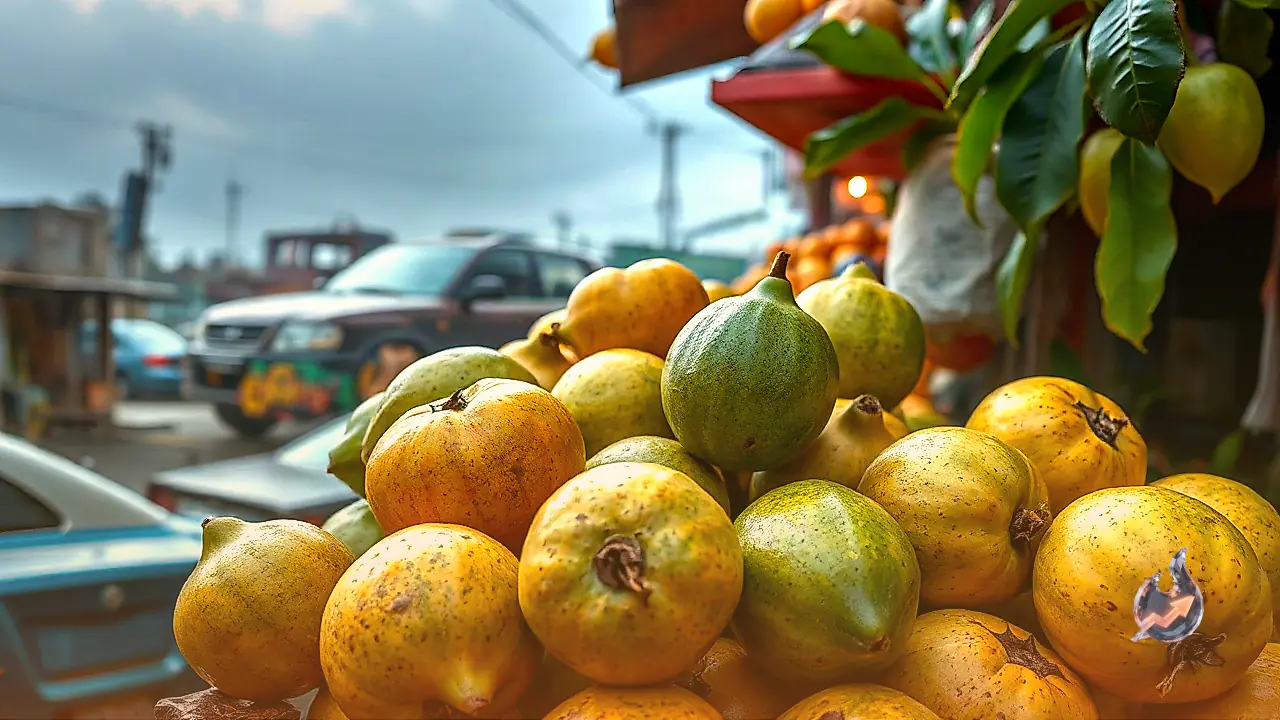

With the arrival of the rainy season, the supply of guavas in wholesale markets and local retail shops in Bhilwara and nearby regions has grown significantly. During this monsoon period, ripe, juicy, and delicious guavas are widely available across fruit stalls. However, despite being a tasty and nutritious fruit, guavas are also highly susceptible to rapid spoilage and internal worm infestation during this weather. It is a common experience for buyers to purchase guavas that look clean and unblemished from the outside, only to discover worms or decayed spots inside after cutting them open at home. Consequently, relying solely on exterior color can lead to disappointment and monetary loss. By following a few straightforward and practical evaluation techniques while shopping, consumers can easily identify fresh and high-quality fruit.
Examine the Color and Peel Quality
When selecting guavas, the first point of attention should be the overall color and condition of the outer skin. Unripe guavas generally exhibit a deep green color, indicating that the fruit is firm, astringent, and not yet sweet. As guavas ripen, their skin transitions into a light green or pale yellow shade. However, an excessively yellow guava may be overripe and likely to deteriorate rapidly. Therefore, choosing guavas that show a balanced, light green-yellow hue is the ideal approach. Along with color, it is crucial to inspect the texture of the skin. If you notice prominent dark patches, extensive black spots, visible wrinkles, or soft rotting areas on the surface, those pieces should be promptly avoided.
Test Firmness by Applying Gentle Pressure
Assessing the softness or firmness of a guava by pressing it lightly with your fingers provides a reliable indication of its ripeness. A perfectly ripe guava should neither feel rock-hard nor collapse completely under gentle pressure. When squeezed lightly, the fruit ought to yield slightly while maintaining its structural shape. If the fruit feels entirely rigid, it is still raw and will lack sweetness and juice. On the other hand, if it feels overly soft, mushy, or squishy, it is either overripe or beginning to decay internally. Selecting a fruit that balances slight elasticity with firmness ensures optimal texture and taste.
Evaluate Weight and Natural Fragrance
Lifting the fruit to gauge its weight relative to its overall size is another key step in finding a quality guava. A guava that feels somewhat heavy for its size is typically packed with natural moisture and dense pulp, making it significantly juicier. Conversely, a fruit that appears large but feels unexpectedly light is often dry, underdeveloped, or hollow inside. Alongside weight, natural aroma serves as a clear indicator of maturity. Fresh, well-ripened guavas emit a subtle, pleasant, and sweet fragrance. A complete absence of smell suggests an unripe fruit, whereas a harsh, sour, or unpleasant odor indicates fermentation or spoilage.
Check the Internal Pulp of Cut Guavas
In many fruit markets, vendors offer pre-cut guavas for inspection or purchase. If buying cut fruit, shoppers have the advantage of examining the interior pulp directly. High-quality guava pulp should appear clean, firm, and uniform. Depending on the variety, white or light pink pulp is considered healthy and normal. However, if the pulp appears dark brown, overly mushy, or watery, it signifies spoilage. Furthermore, pay close attention to the core area surrounding the seeds. Any dark discoloration around the seeds, pooled liquid, or off-putting scent is a definite warning sign to skip that fruit.
Summary of Essential Selection Criteria
When purchasing guavas from the market, focusing on five primary criteria color, skin condition, firmness, weight, and fragrance will prevent bad purchases. Steer clear of fruits that are excessively yellow, overly squishy, foul-smelling, or covered in dark blemishes. If buying cut pieces, verify the pulp and seed cavity thoroughly. Taking these simple precautions ensures that you bring home sweet, fresh, juicy, and safe guavas throughout the monsoon season.