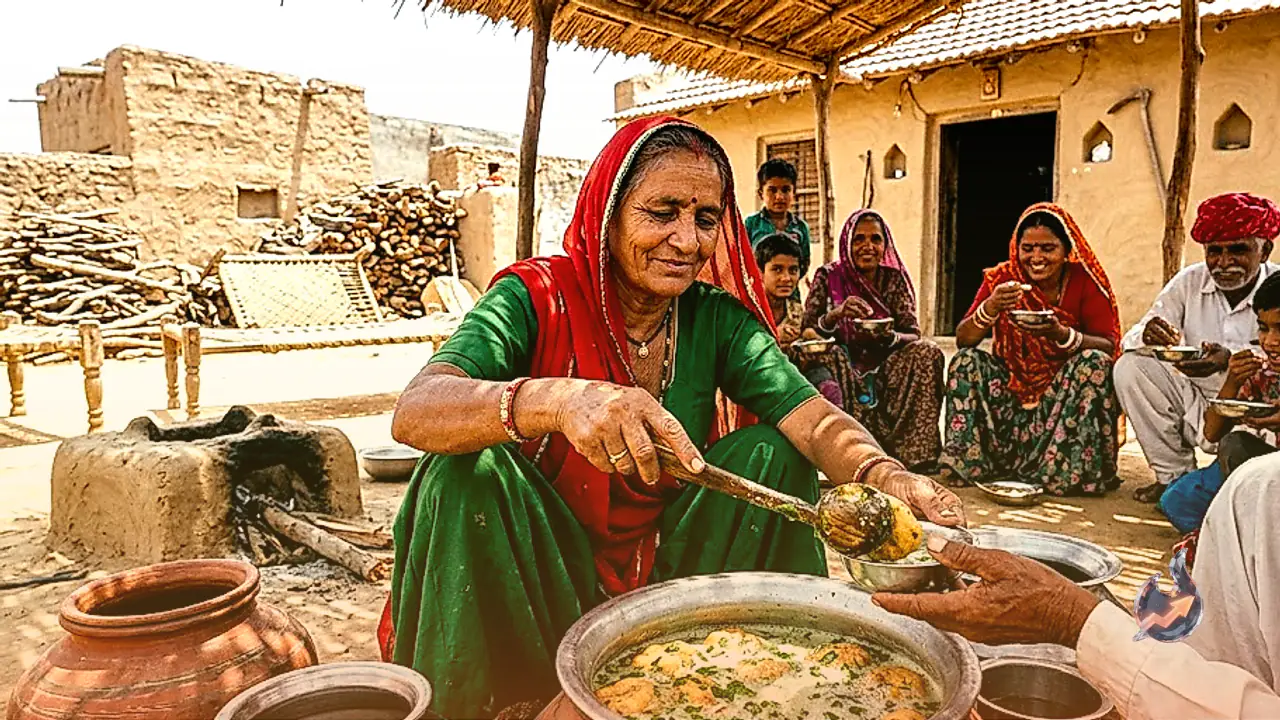
























While you might have sampled various bean-based vegetables, today we introduce a distinct pod dish that originates from Rajasthan's scorching desert and has found its way into kitchens far and wide. This special vegetable, known as traditional Rajasthani Kumatiya ki Sabji, is a cherished favorite in the rural parts of Bhilwara, Mewar, and Marwar, thanks to its exceptional taste. Valued for centuries for its nutritional qualities and unparalleled flavor, this indigenous dish transforms into a royal and delicious Rajasthani meal with little effort and in minimal time.
Origin and Benefits of Kumatiya
Kumatiya pods are primarily sourced from the Kumt tree, which thrives in abundance across Rajasthan's desert areas. Flourishing even in the intense heat of the Thar Desert, this pod is believed to possess numerous medicinal properties. Rural families harvest these pods during the season, dry them, and store them for year-round use in preparing the dried vegetable. Kumatiya boasts a natural earthy flavor and is rich in essential nutrients. It is considered beneficial for boosting immunity and aiding digestive health. These attributes ensure Kumatiya ki Sabji remains a crucial component of the rural Rajasthani diet.
Recipe Shared by Rural Woman Manju Devi
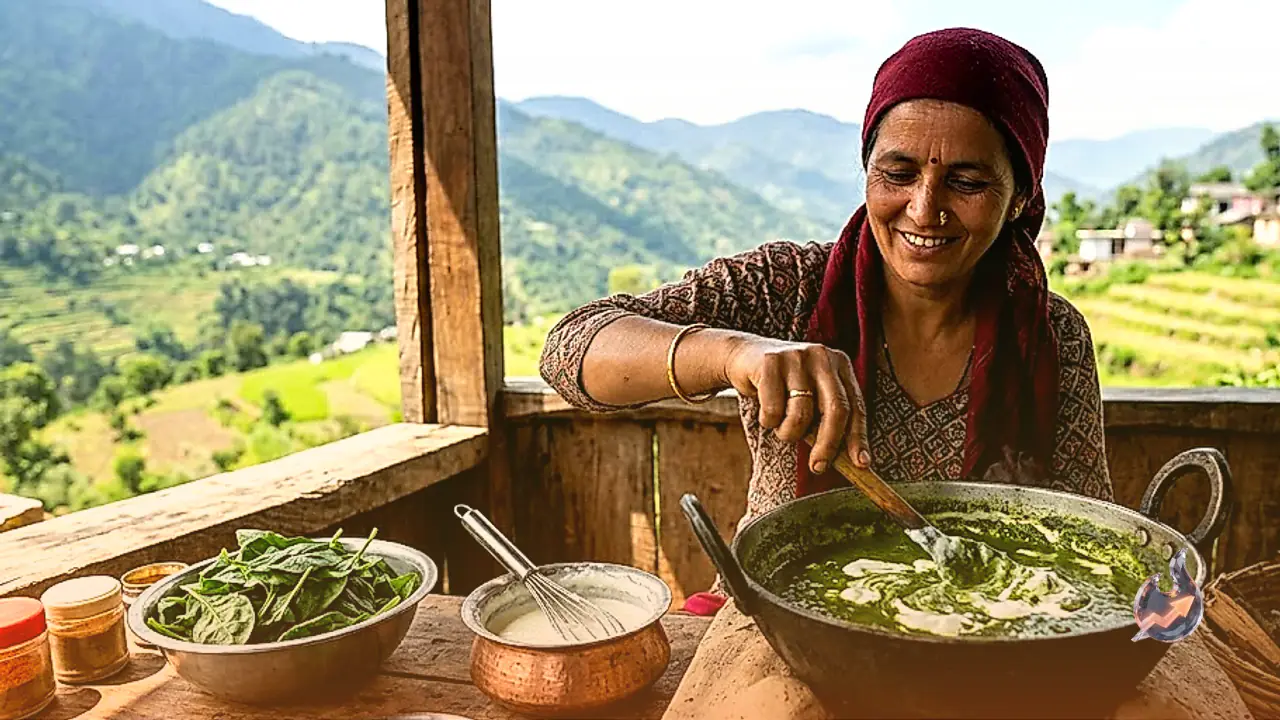
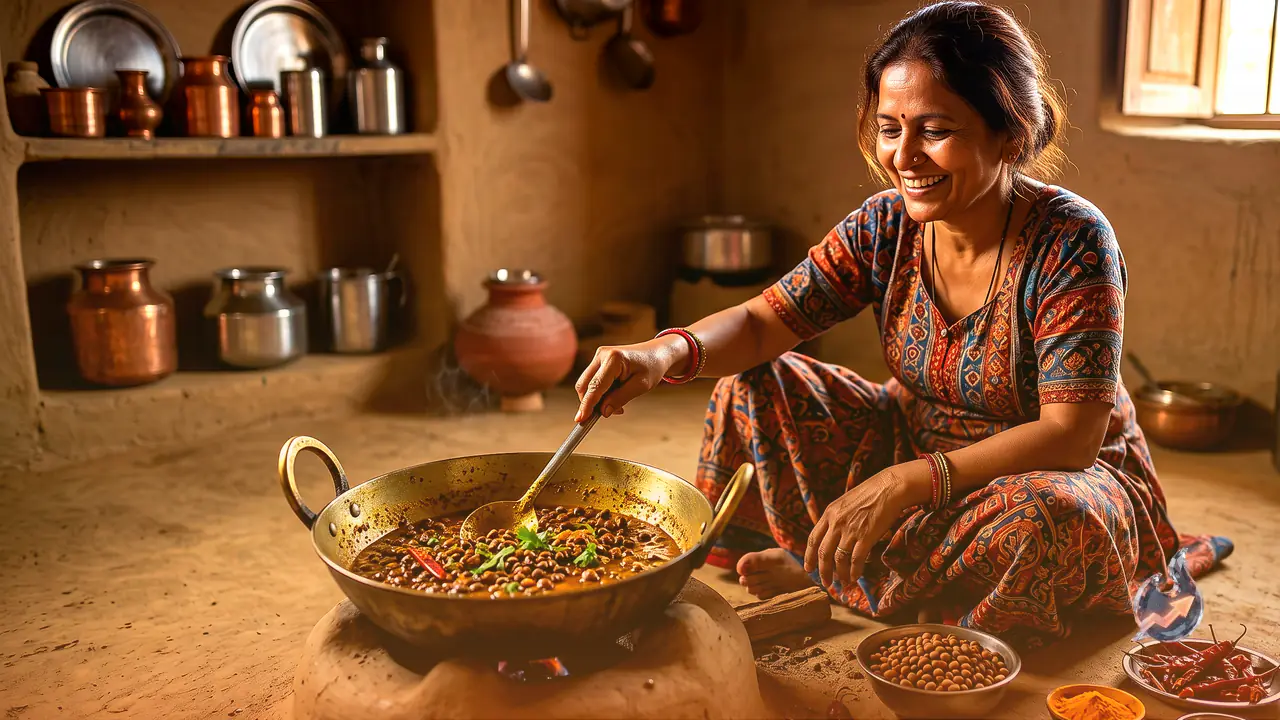
Manju Devi, a rural woman from Bhilwara, has shared the authentic and traditional recipe for Kumatiya, explaining that it can be prepared in just a few minutes with remarkable ease.
Preparation and Boiling
To begin preparing this delightful dish, the dry Kumatiya pods are thoroughly cleaned. They are then soaked in lukewarm water for several hours until they swell. Once plump, the pods are boiled in water until they become perfectly soft and tender.
Tempering and Spice Preparation
Next, heat mustard or sesame oil in a kadhai. Once the oil is hot, add cumin seeds, asafoetida (hing), and finely chopped green chilies for tempering. Reduce the heat and incorporate basic spices such as turmeric powder, coriander powder, red chili powder, and salt to taste. Sprinkle a little water and sauté the spices well until they release their oil.
Slow Cooking the Vegetable
Once the spices are fully cooked, add the boiled, soft Kumatiya pods and mix them thoroughly, ensuring the spices coat the pods evenly. Then, cover the kadhai and let the vegetable cook on low heat for a few minutes.
The Tangy Touch
Manju Devi suggests that many people enhance the dish's piquant flavor by adding a bit of whipped curd or dry mango powder (amchur), which doubles its deliciousness. After simmering for a while on low heat, once the vegetable starts to release oil, turn off the gas. Its delicate aroma and authentic Rajasthani taste are truly captivating.
The Perfect Combination: Bajre ki Roti and Chaach
This dry and spicy Kumatiya ki Sabji is traditionally savored in both winter and summer seasons. In rural areas, it is typically served with hot Bajre ki Roti, Jowar ki Roti, or Makke ke Sogre. The experience of Rajasthani cuisine reaches its peak when accompanied by garlic chutney and a glass of refreshing cold Pudina Chaach. Historically, this vegetable was prepared regularly in almost every household, and its popularity continues undiminished even today.