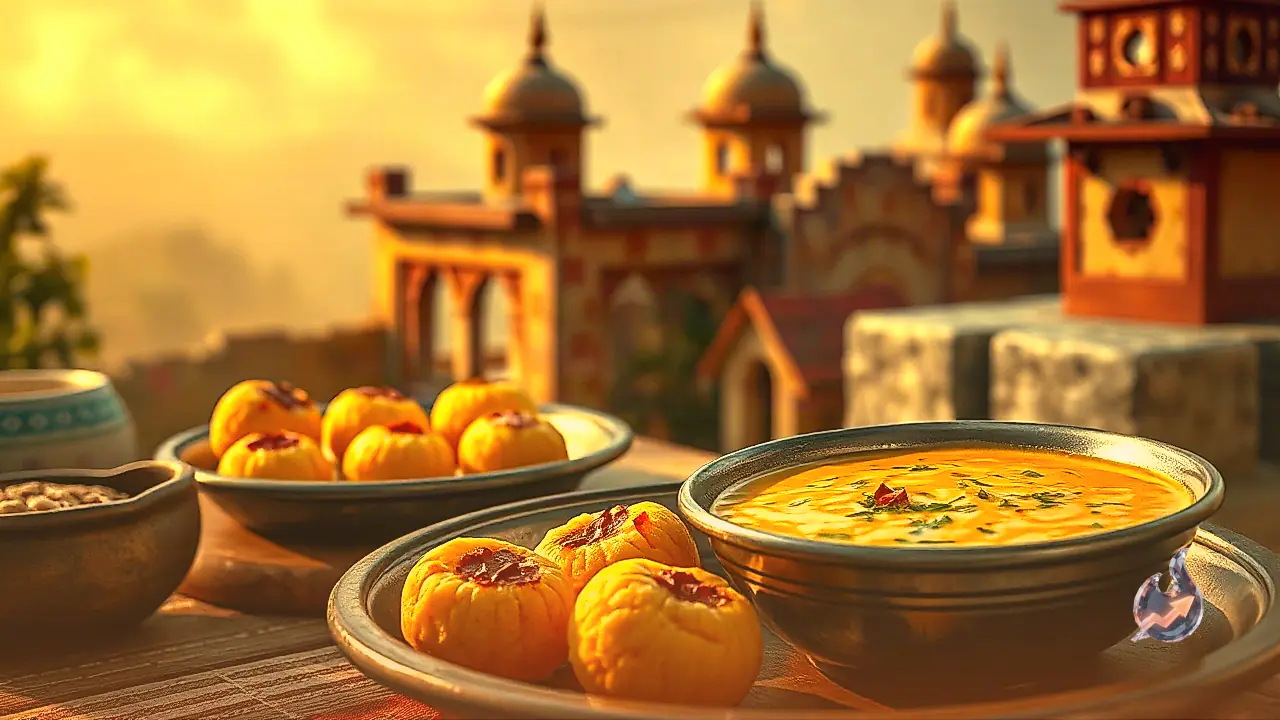

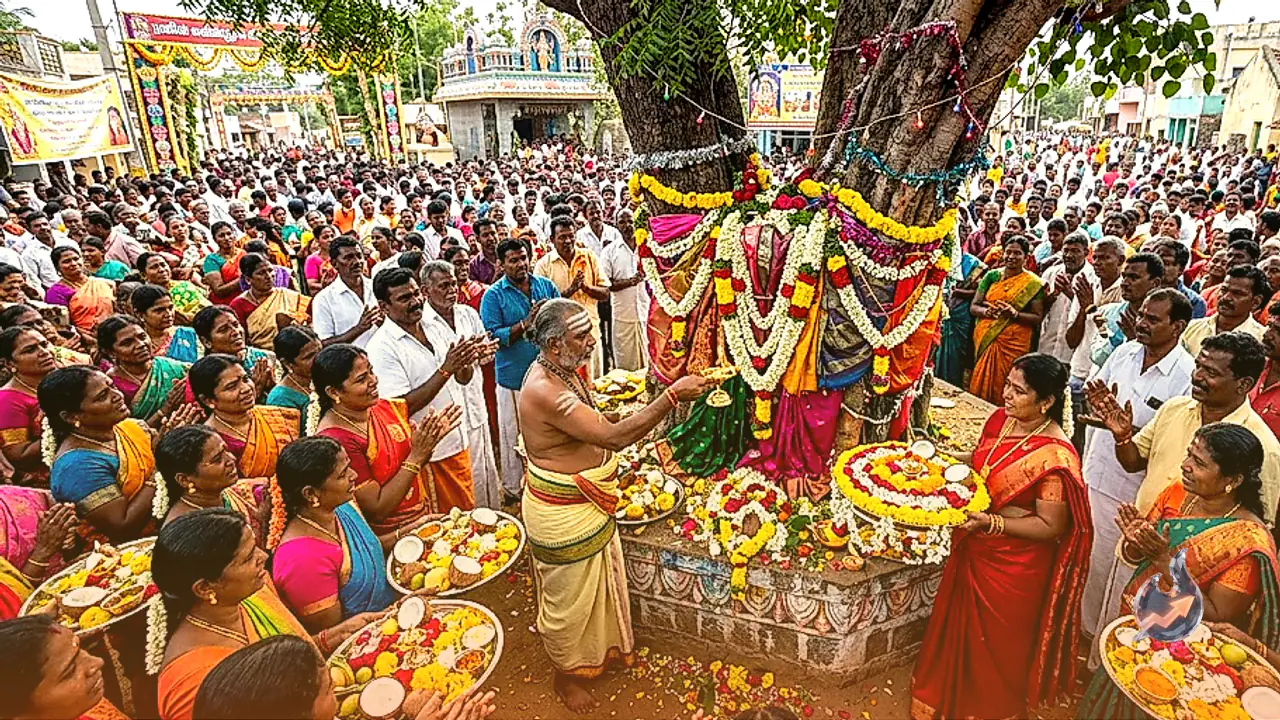




















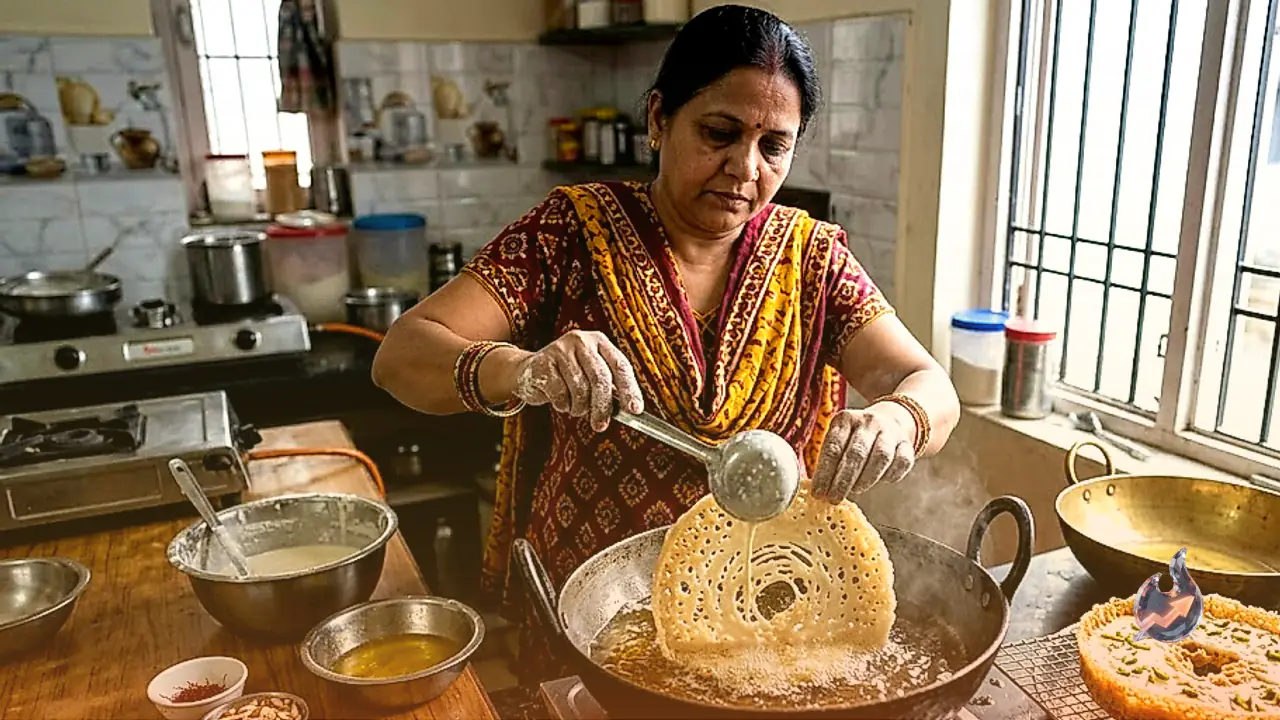

The arrival of the Sawan month brings a refreshing transformation to the atmosphere across India. As light monsoon rains revive the greenery, temple courtyards echo with devotional hymns and kitchens fill with the rich aromas of traditional festive delicacies. Among all seasonal treats, celebrations during this sacred month remain incomplete without Ghevar. Originating as a classic Rajasthani confection, this honeycomb-textured sweet has grown into an iconic national centerpiece for festivals like Sawan, Hariyali Teej, and Rakshabandhan. While purchasing Ghevar from traditional sweet shops was long the standard norm, an increasing number of home cooks are now crafting it in their own kitchens. By mastering the ideal batter consistency, maintaining precise oil temperatures, and exercising patience, anyone can replicate shop-quality crisp, lattice-patterned Ghevar at home.
Essential Ingredients and Prep Work
Creating authentic Ghevar at home does not require rare or complex items, as virtually every ingredient is a standard kitchen staple. The foundation of the recipe relies on refined flour (maida), pure clarified butter (ghee), ice cubes, chilled milk, and ice-cold water. For deep frying, cooks can use either pure ghee or a neutral refined oil. The signature sweet glaze calls for granulated sugar, water, ground cardamom powder, and fragrant saffron strands. For the lavish topping, roasted mawa (khoya), sliced almonds, and chopped pistachios are layered over the fried disc. Optional garnishes such as edible silver foil (chandi ka varak), fresh rose petals, or a hint of gulkand (rose petal preserve) can also be added for an extra touch of visual elegance and flavor.
Mastering the Batter Consistency
The defining characteristic of Ghevar is its intricate honeycomb structure, which depends entirely on the preparation of its batter. Achieving this delicate lattice requires a specific emulsion technique. Begin by placing melted ghee in a wide mixing bowl. Add ice cubes and whisk vigorously for 3 to 4 minutes. Through continuous whipping, the ghee solidifies into a light, creamy, butter-like texture. Once this smooth state is reached, discard any remaining un-melted ice chunks. Gradually incorporate refined flour into the whipped ghee, blending continuously to prevent lumps. Next, pour in cold milk, followed by ice-cold water added in small stream increments. Mix until a very thin, free-flowing batter is formed. The batter must be fluid enough to pour effortlessly off a spoon; this extreme fluidity and cold temperature react instantly when dropped into hot oil, creating the signature porous lattice.
Frying Mastery and Lattice Formation
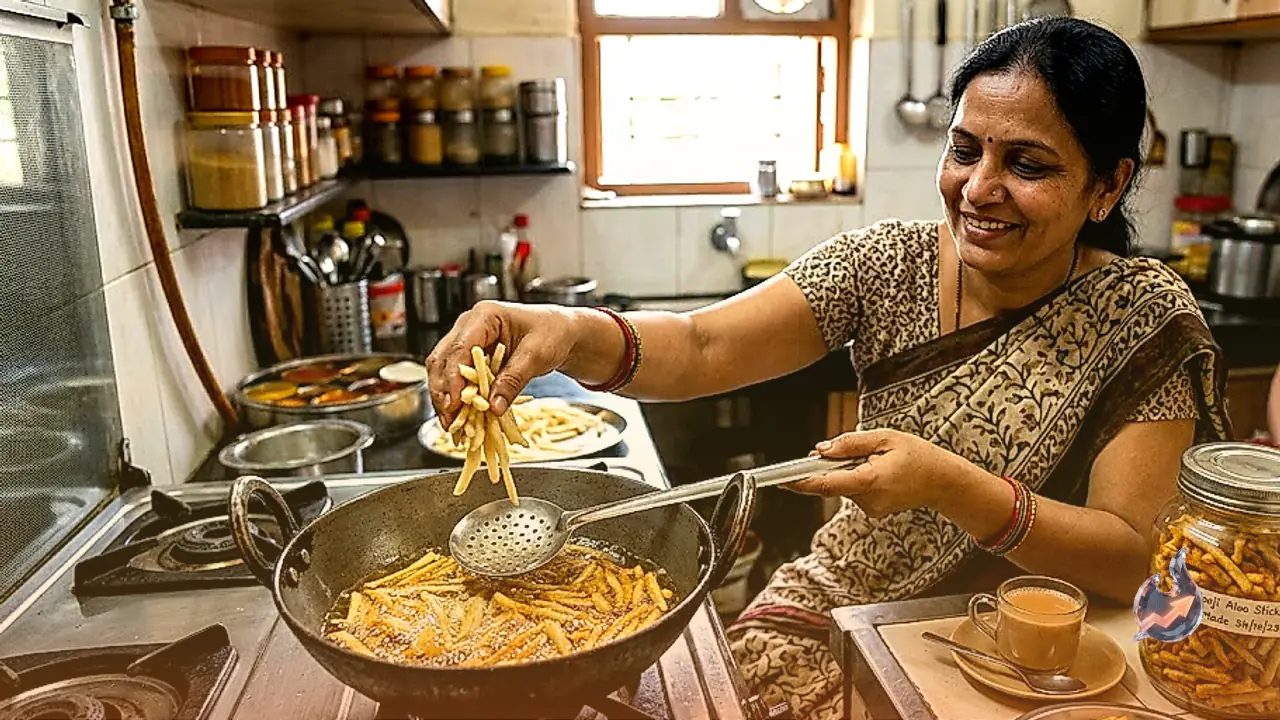
Frying Ghevar requires careful attention to pan selection and heat control. Use a deep, heavy-bottomed pan or vessel filled halfway or three-quarters with ghee or refined oil, heated over medium flame. The oil should be hot enough to react immediately without burning the batter. Fill a ladle or squeeze bottle with the chilled batter and pour a thin, steady stream into the exact center of the hot oil from a slight height. The sudden interaction between cold liquid and hot oil causes rapid bubbling, causing the batter to expand toward the sides while forming tiny holes in the middle. Allow the bubbling to subside for a few seconds before pouring another small portion of batter directly into the center. Repeat this step 3 to 4 times to build up sturdy, defined layers. If the central hole begins to close, gently clear a opening using a thin wooden stick or skewer. Once the Ghevar turns a rich golden color and crisp texture, carefully lift it out using a long skewer or tongs and rest it on paper towels to drain excess oil.
Crafting One-String Syrup and Finishing Touches
To infuse the fried disc with sweetness, prepare a single-thread (one-string) sugar syrup. Combine sugar and water in a saucepan and bring it to a boil over medium heat. Simmer until the syrup reaches a one-string consistency, which can be checked by pressing a drop between your thumb and forefinger to see a single unbroken thread form. Stir in aromatic cardamom powder and saffron strands for color and aroma. Submerge the fried Ghevar into the warm syrup for 1 to 2 minutes, allowing the sweet liquid to seep thoroughly into every porous crevice, then carefully lift it onto a serving platter. Spread a uniform layer of roasted mawa over the top surface, followed by a generous sprinkling of chopped almonds and pistachios. Decorate with silver foil, rose petals, or a touch of gulkand if desired to complete the traditional dessert presentation.
Crucial Pro Tips for First-Time Home Cooks
Achieving perfect results on your first attempt requires observing a few fundamental culinary guidelines. First, never allow the batter to become thick; a heavy batter will sink and form a dense mass instead of creating a porous web. Second, maintain a consistent medium flame during frying. Cooking over excessively high heat will brown the exterior too quickly while leaving the interior undercooked, whereas low heat results in a greasy product that absorbs too much oil. Third, fry only one Ghevar at a time to ensure the batter has ample room to expand into a uniform round shape. To keep the batter cold throughout the process, place the batter bowl inside a larger container filled with ice water.
Elevating Festive Celebrations with Homemade Sweets
The month of Sawan is a celebration of family bonding, traditional culture, and culinary heritage alongside religious observances. Preparing fresh Ghevar at home offers a healthier, preservative-free alternative to store-bought sweets while enriching the festive spirit. Presenting handcrafted, golden-lattice Ghevar to family and guests during Sawan, Hariyali Teej, and Rakshabandhan creates lasting memories and highlights your personal culinary skill.