



















In Katihar, located near Patna, makhana is no longer restricted to traditional kheer or other conventional dishes. An innovative initiative has been launched to bring its sweetness and nutritional benefits to people in a completely fresh format. Sweets and products such as kalakand, barfi, peda, gajak, thekua, and sattu are now being crafted from makhana. The most notable aspect of this venture is the active participation of local women in manufacturing these items. Sumit Sehgal from Katihar is working towards the value addition of makhana through his company, Zeta Lake Organisation.
The Unique Beginning With Makhana Jalebi
This initiative originally started with the creation of makhana jalebi. Sumit shares that makhana jalebi was produced for the first time in Katihar by his company. Following this, work began on developing various other makhana sweets. Now, his team prepares multiple traditional and novel-flavored products using makhana. Throughout this endeavor, they have received consistent guidance and support from ATMA and agriculture department officials.
Blending Traditional Flavors With Purity
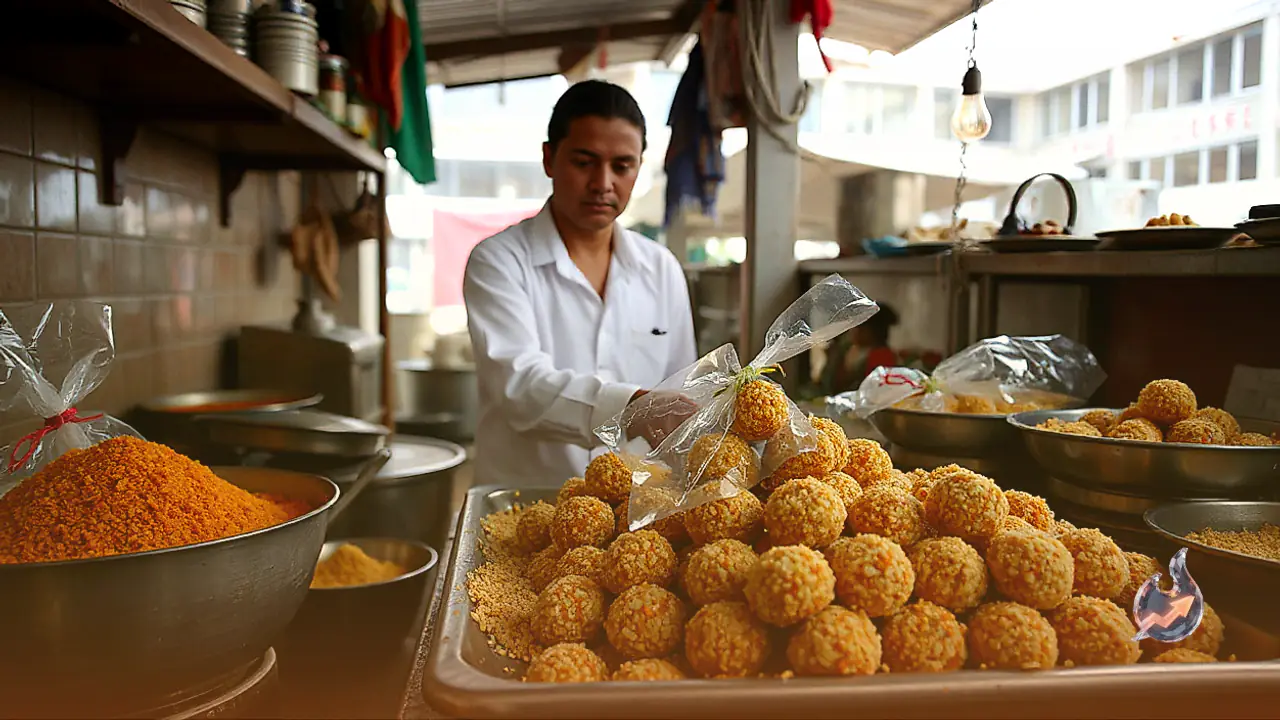
The products being crafted by Zeta Lake Organisation include makhana barfi, kalakand, thekua, gajak, and peda. In addition to these, a nutritious sattu is prepared using makhana and gram. Curd is used in makhana kalakand to impart a rich flavor and a mild tanginess. Pure ingredients and traditional sweet-making methods are strictly followed while preparing these items. Pure ghee and makhana are utilized in making makhana barfi. Their core objective is to introduce people to a novel taste of makhana-based sweets so that they carve out a distinct identity in the market.
Connecting Over 500 Farmers and 50 Women
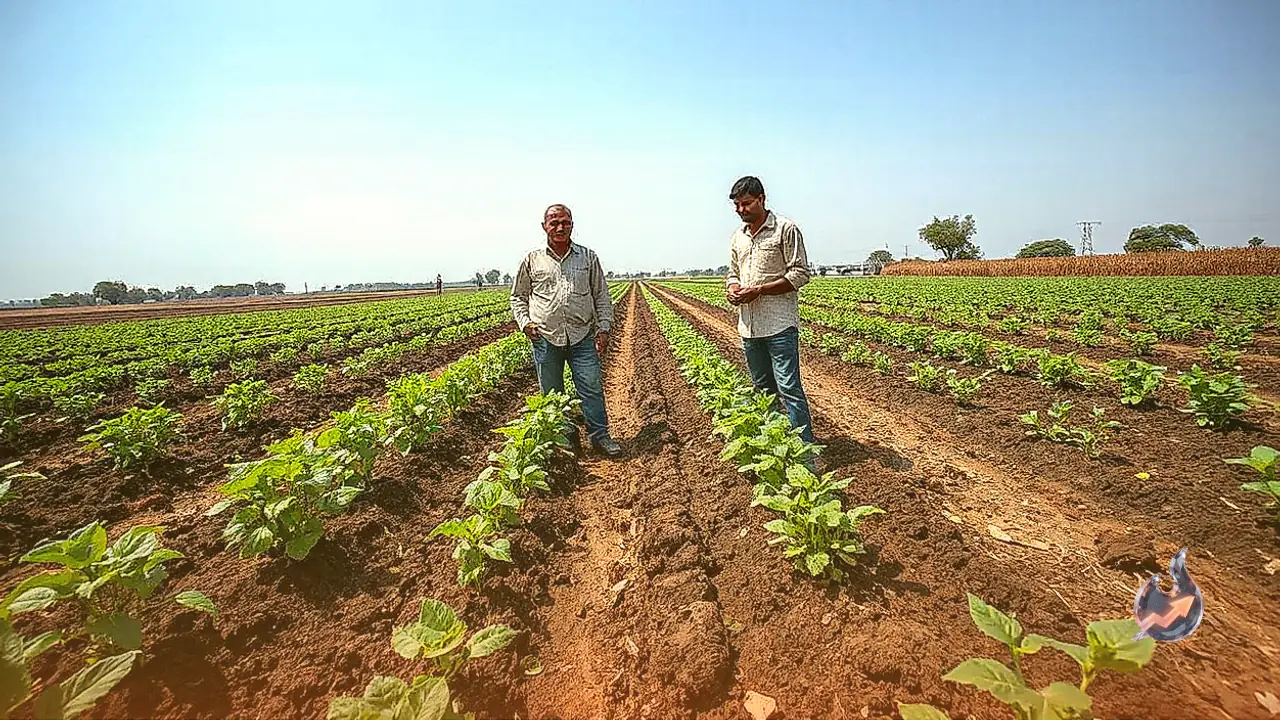
A significant highlight of this initiative is the strong involvement of farmers and women. Sumit states that his FPO, or Farmer Producer Organisation, is connected with more than 500 people. Furthermore, around 50 women are engaged in producing sweets and other items derived from makhana. All of these women are residents of Katihar. Thus, this value addition of makhana is actively generating employment and self-employment opportunities at the local level.
Pricing of Makhana Sweets in the Market
The prices of these special makhana-based products have been set accordingly. The price of makhana barfi has been fixed at 800 rupees per kilo. Makhana thekua is available at 1000 rupees per kilo, while makhana kalakand is priced between 900 and 1000 rupees per kilo. The price of makhana peda is kept at around 180 to 200 rupees. Additionally, 100 grams of makhana sattu costs between 70 and 100 rupees. Sumit points out that their current goal is not immediate high profits, but rather letting people taste these new makhana products and establishing their market presence.
Preparing for Online Market Expansion
Currently, Zeta Lake Organisation is working extensively on expanding and marketing these products. Sumit mentions that the company is soon preparing to launch online sales for its offerings. Their constant effort is to put the online sales system in place by next month.