





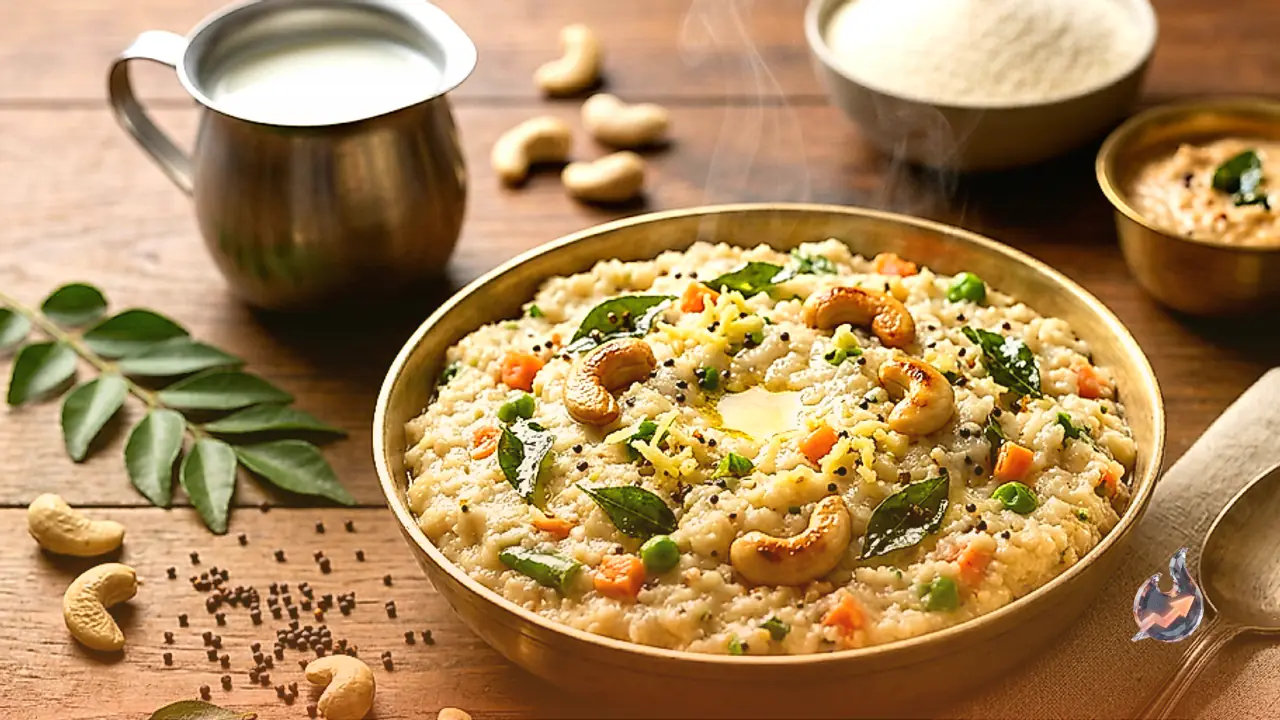














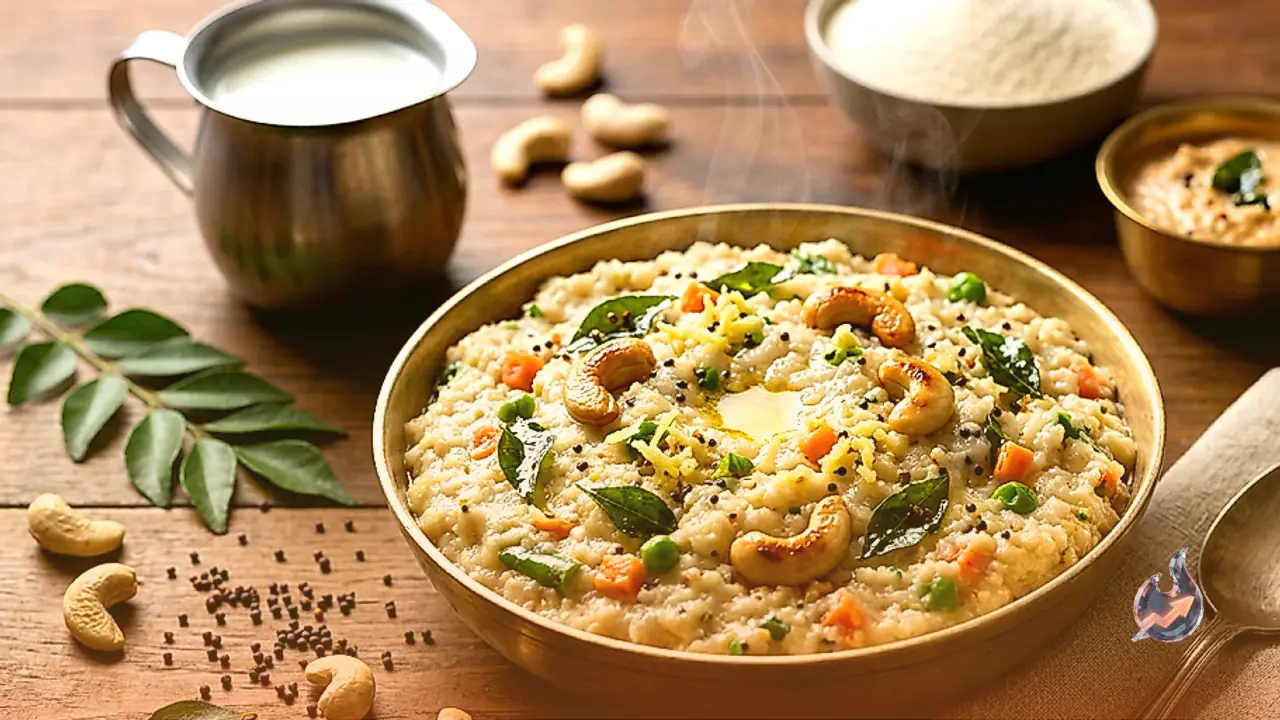

Typically, people prepare upma by roasting semolina and adding water, which often results in a sticky texture rather than a fluffy dish. By changing the liquid base and following a specific cooking process, anyone can recreate a market-style taste at home. The preparation begins by gathering and chopping fresh vegetables like cauliflower, onions, and green chillies.
Preparing the Tempering and Vegetables
Heat two spoons of oil in a pan and add mustard seeds along with a bay leaf. Once the tempering crackles, curry leaves can also be added, or bay leaves alone can be used if curry leaves are unavailable. Toss the chopped vegetables into the pan and sauté them until they turn golden brown. After the vegetables achieve a golden hue, add salt to taste, followed by one and a half large glasses of milk.
The Right Way to Roast Semolina
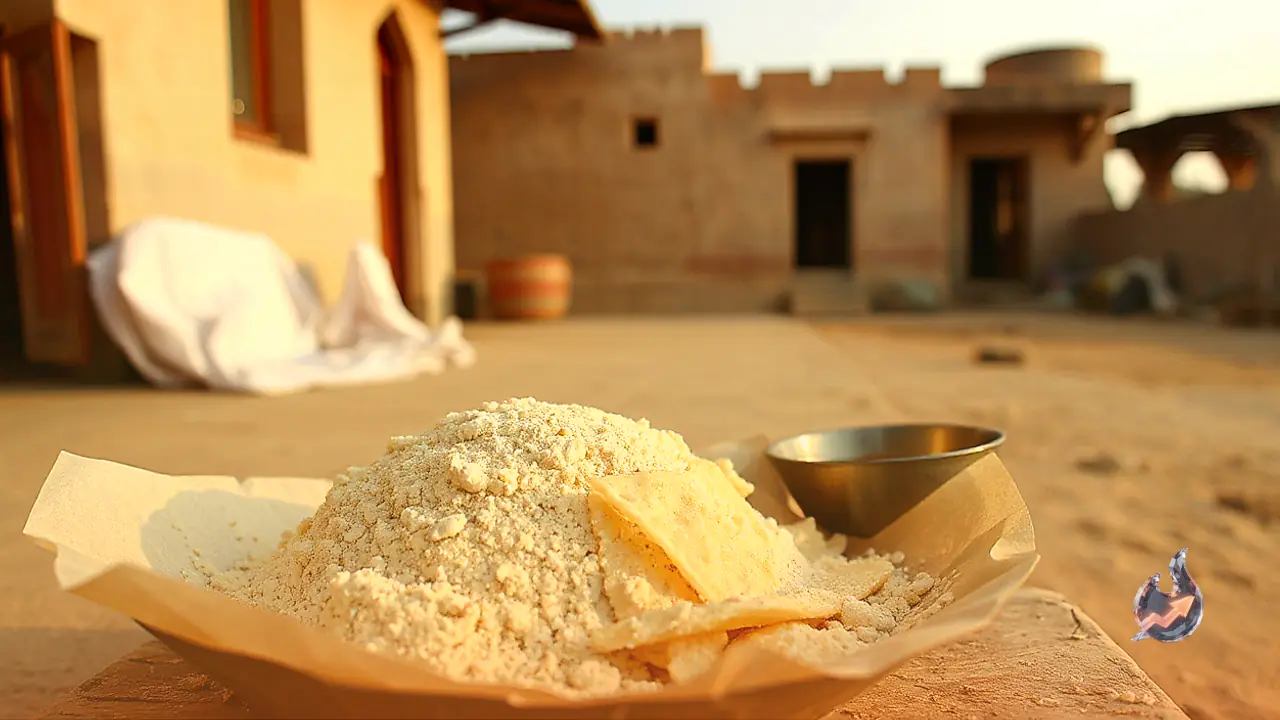
While the milk comes to a boil, take a separate pan and roast the desired amount of semolina. It is important to note that the semolina should not be fried until golden, but rather sautéed for just one to two minutes so that it retains its light, whitish appearance.
Blending Semolina Into Boiling Milk
Once the milk reaches a rolling boil, slowly pour in the roasted semolina while stirring continuously to prevent lumps. At this stage, add a spoon of ghee to enhance the richness. Continuous stirring ensures that the upma turns out grainy and resembles the texture found in restaurants.
Finalizing the Dish
Cook and stir the mixture for another one to two minutes so it avoids a wet, porridge-like consistency and delivers an appetizing flavor. Finally, garnish the dish with fried peanuts sprinkled on top, and the flavorful upma is ready to be served.