






















If the same old besan dhokla on your breakfast plate has started to feel repetitive, a moong dal version of khaman dhokla can be a refreshing swap that is both tasty and light on the stomach. Made from yellow moong dal instead of gram flour, this dhokla is easier to digest and tends to appeal to everyone at home, from young kids to elders. The real trick lies in adding a little semolina and poha to the batter, which takes the texture a notch further and leaves every bite noticeably softer and spongier.
With the right batter consistency, careful steaming and a light tempering on top, it is entirely possible to recreate that porous, market-style dhokla in a home kitchen. It works equally well for breakfast, a tiffin box or a light evening snack. Here is a simple, step-by-step way to make it.
Getting the soaking right
The first step is picking washed yellow moong dal for this recipe. Rinse it thoroughly and let it soak in water for three to four hours, or overnight if there is enough time to spare. Once soaked, drain off the extra water completely, since leftover water can make the batter thinner than it should be and stop the dhokla from setting properly.
Why semolina and poha change the texture
Grinding the soaked moong dal along with a little semolina and well-rinsed poha makes a visible difference to the final texture. Semolina lends the batter a light, grainy bite, while poha keeps the dhokla soft for much longer after it is cooked. That combination is why this version tends to stay tastier and softer for longer compared with a dhokla made purely from gram flour or dal alone. Home-made dhokla can otherwise turn firm within a few hours, and the presence of poha noticeably slows that down.
Preparing a smooth batter
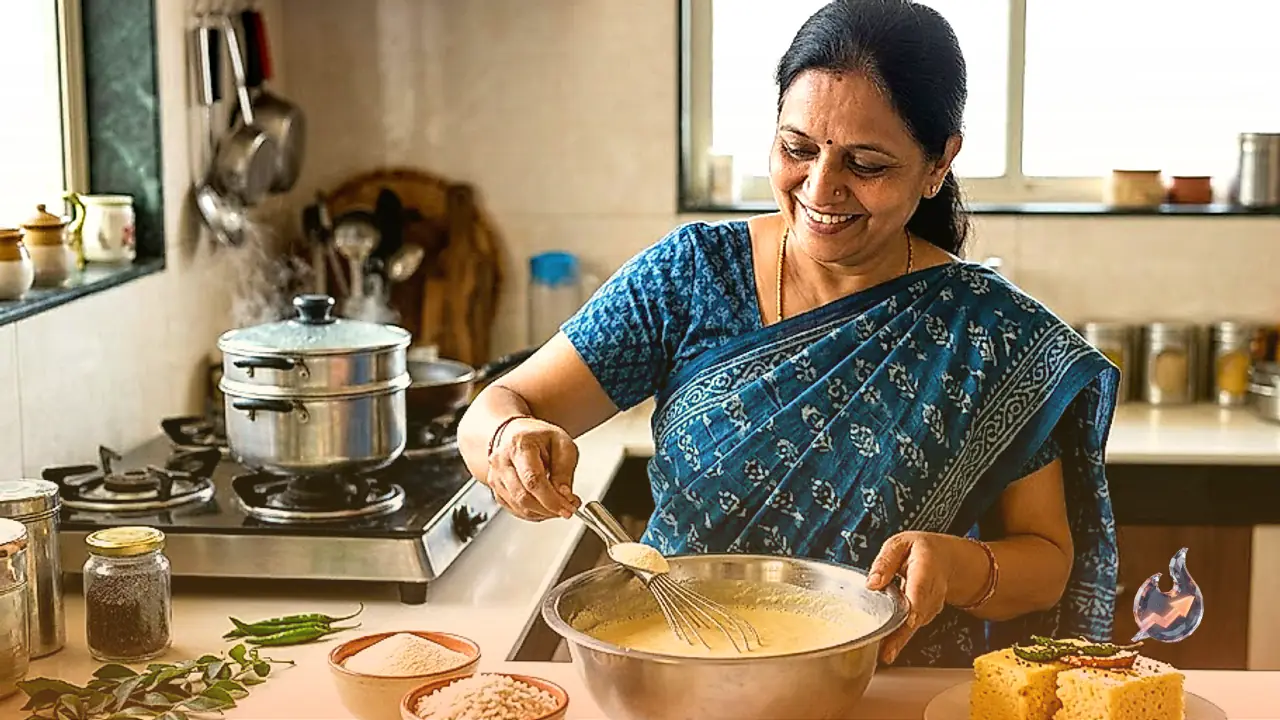
Blend the soaked dal, semolina and poha together with curd or buttermilk until the mixture turns smooth and fine. The batter should be neither too thick nor too runny. Transfer it to a large bowl, add salt to taste, cover it and let it rest for a while so the ingredients blend evenly and the flavour settles.
Fruit salt or Eno should go into the batter only right before steaming. Once added, mix it in with a very light hand, since prolonged or vigorous stirring knocks out the air trapped inside, leaving the dhokla less fluffy and less spongy than it should be.
Steaming it the right way
Grease the plate or tray the dhokla will be set in with a little oil so it comes out easily later. Pour the prepared batter into it and place it in an already-heated steamer. Steam it on medium flame for roughly 15 to 20 minutes. Avoid lifting the lid repeatedly during this time, as it breaks the steam pressure and stops the dhokla from rising the way it should.
Tempering and garnish that lift the flavour
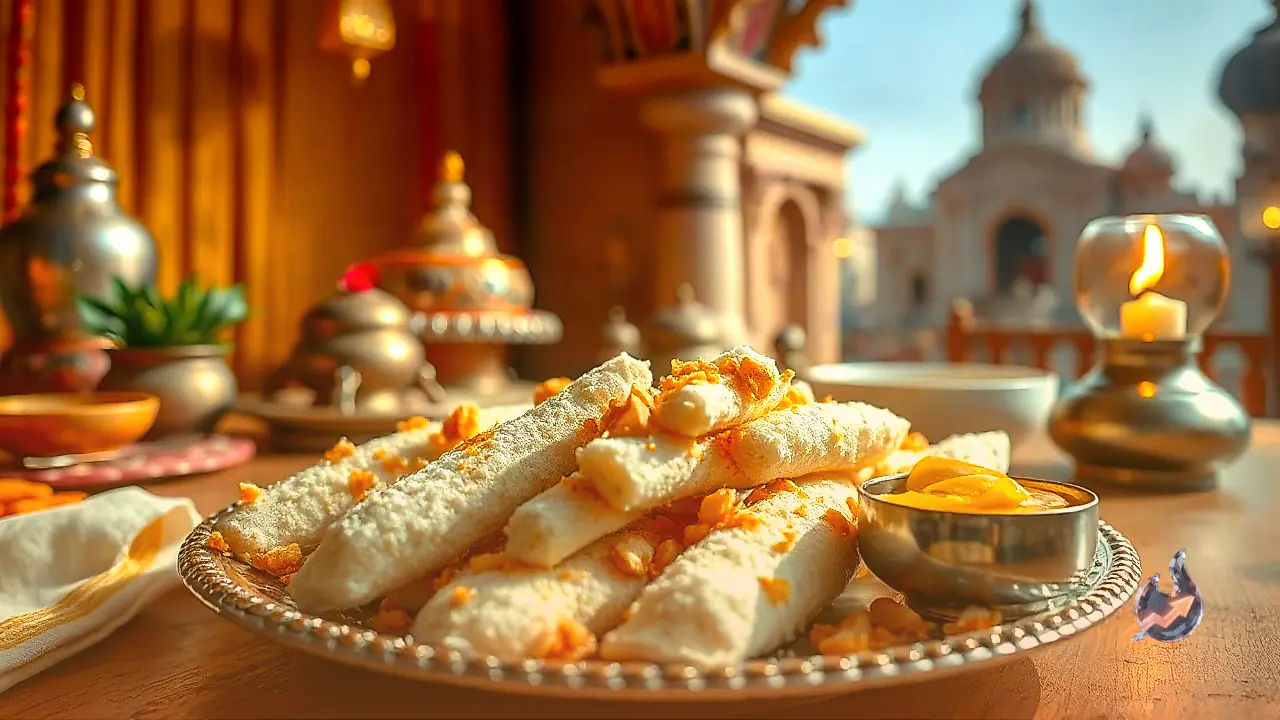
Once the dhokla is ready, a light tempering of mustard seeds, sesame seeds, curry leaves and green chillies can be poured over it. A mildly sweet and tangy water can also be prepared and drizzled on top, which makes every piece juicier and more flavourful. Finally, finely chopped coriander and freshly grated coconut are sprinkled over the cut pieces. It can be served with green chutney, sweet chutney or a cup of tea, making it a good fit for breakfast as well as a kid's tiffin box.
Why it is worth the effort for health too
Moong dal is widely regarded as a good source of protein, so a dhokla built around it delivers more than just flavour. Keeping the oil in the tempering to a minimum turns this into a light, healthy snack that can comfortably be made on repeat through the week, and it works just as well when unexpected guests need to be served something quick.