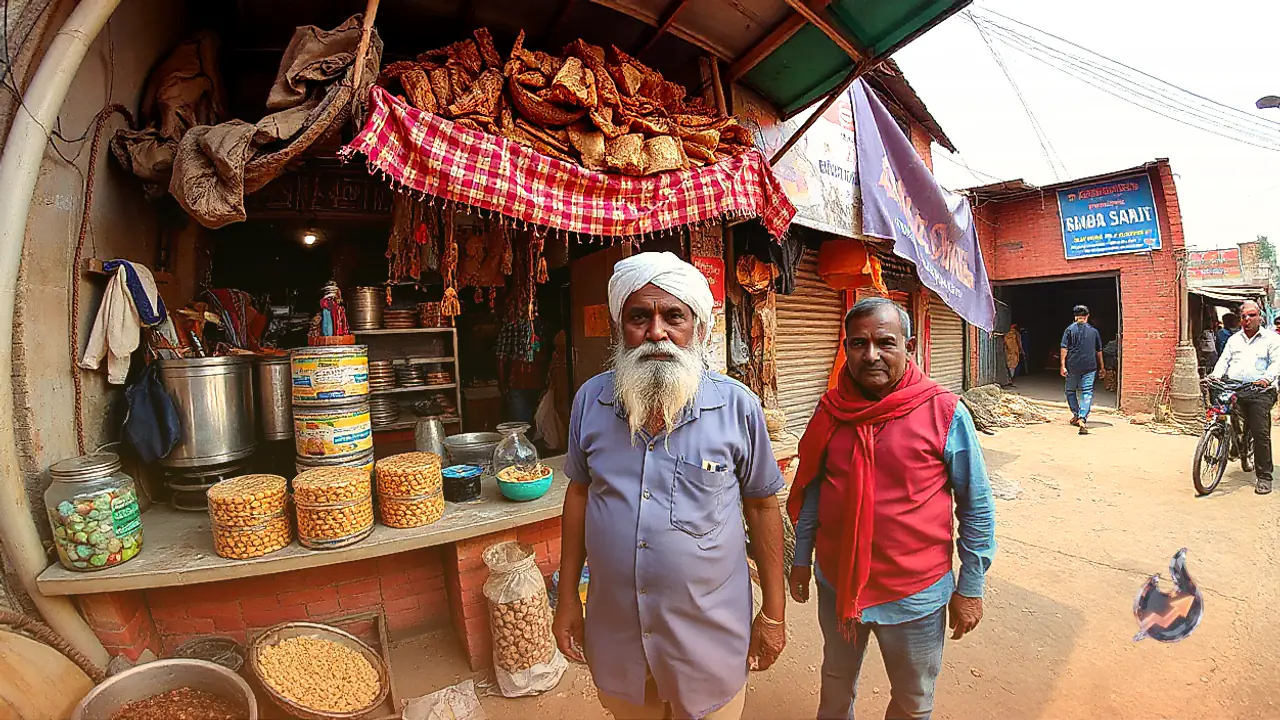

As winter sets in across Bharatpur, local markets witness a vibrant surge of seasonal delicacies and traditional sweets. Among the most sought-after winter treats is the special Gajar Pak Halwa, which enjoys immense popularity due to its rich taste and meticulous preparation methods. Crafting this unique dessert requires hours of dedicated labor and culinary skill from local artisans.
Traditional Preparation Method
The journey of making this delicacy begins by thoroughly cleaning fresh, red carrots and grating them with care. The grated carrots are then transferred into a large iron vessel and cooked patiently over a low flame. Artisans stir the mixture continuously for hours, ensuring that the natural moisture evaporates completely while the inherent sweetness and flavors infuse thoroughly into the carrots.
The Magic of Mishri and Rabri
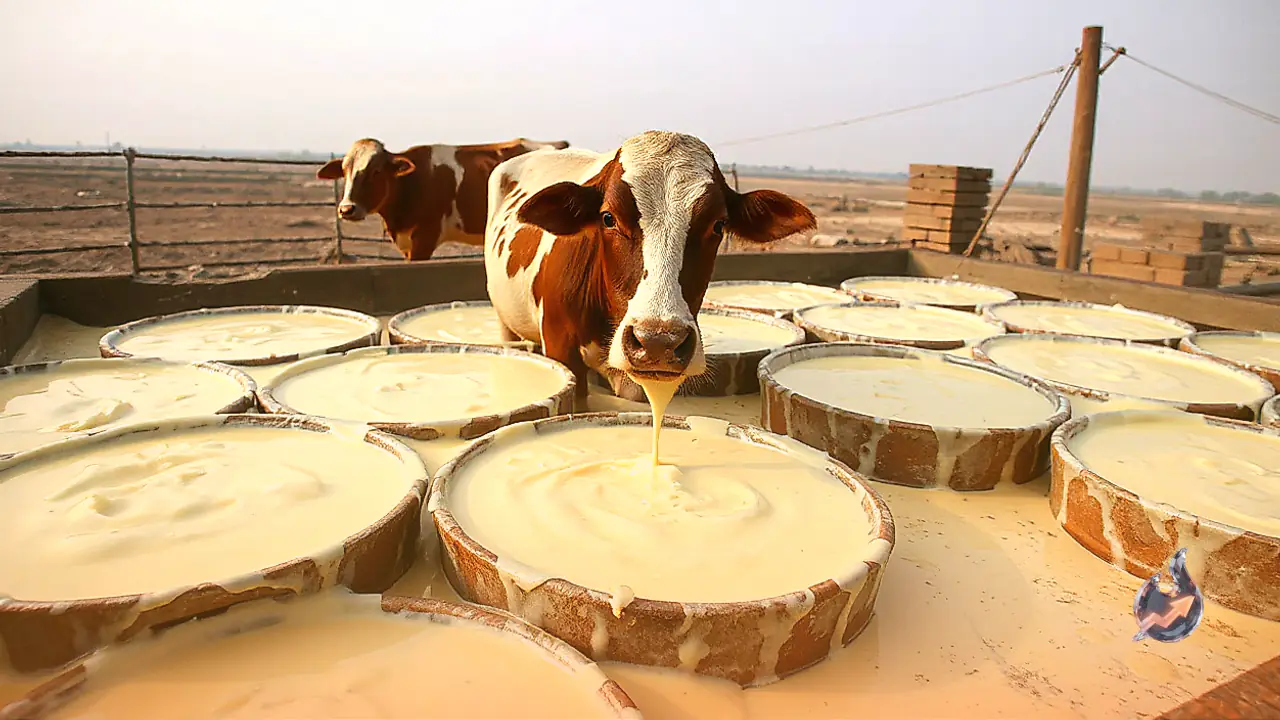
What sets this halwa apart is its time-tested, traditional recipe. Unlike regular desserts, it avoids standard refined sugar, utilizing rock sugar or Mishri instead according to taste. Furthermore, rich Rabri prepared separately from milk is folded into the mixture, imparting a distinct, creamy texture. Even after adding the Rabri and Mishri, the contents are stirred persistently until everything blends into a homogeneous, thick consistency.
Patience and Labor Intensive Process
Creating Gajar Pak Halwa demands a significant investment of both time and physical effort. Artisans must keep stirring the contents without interruption to prevent the mixture from sticking to the bottom of the vessel, which would otherwise ruin its delicate flavor profile. The slow-cooking technique allows the authentic taste of the carrots to peak fully by the time the dish reaches completion.
A Major Attraction for Dessert Lovers
The seasonal appearance of this traditional sweet in Bharatpur markets remains a major draw for food enthusiasts as the temperature drops. People actively visit local shops to relish the authentic taste of a recipe that has become synonymous with the city's culinary identity during the cold months. The painstaking slow-cook method continues to keep this local winter tradition alive and cherished.