
During the cold winter season, incorporating pearl millet flatbreads, commonly known as bajra roti, into the daily diet is a widespread tradition. Pearl millet is naturally considered to possess warming properties, which help keep the body warm and provide vital nutrients during winter days. However, making these flatbreads poses a common kitchen challenge: the dough frequently breaks or develops deep cracks while rolling. Because pearl millet flour lacks gluten and natural elasticity compared to wheat flour, getting a perfectly round shape can be difficult, especially for beginners. By adhering to a few practical kitchen steps, anyone can knead smooth dough and cook soft, crack-free rotis effortlessly.
Using Lukewarm Water for Kneading the Dough
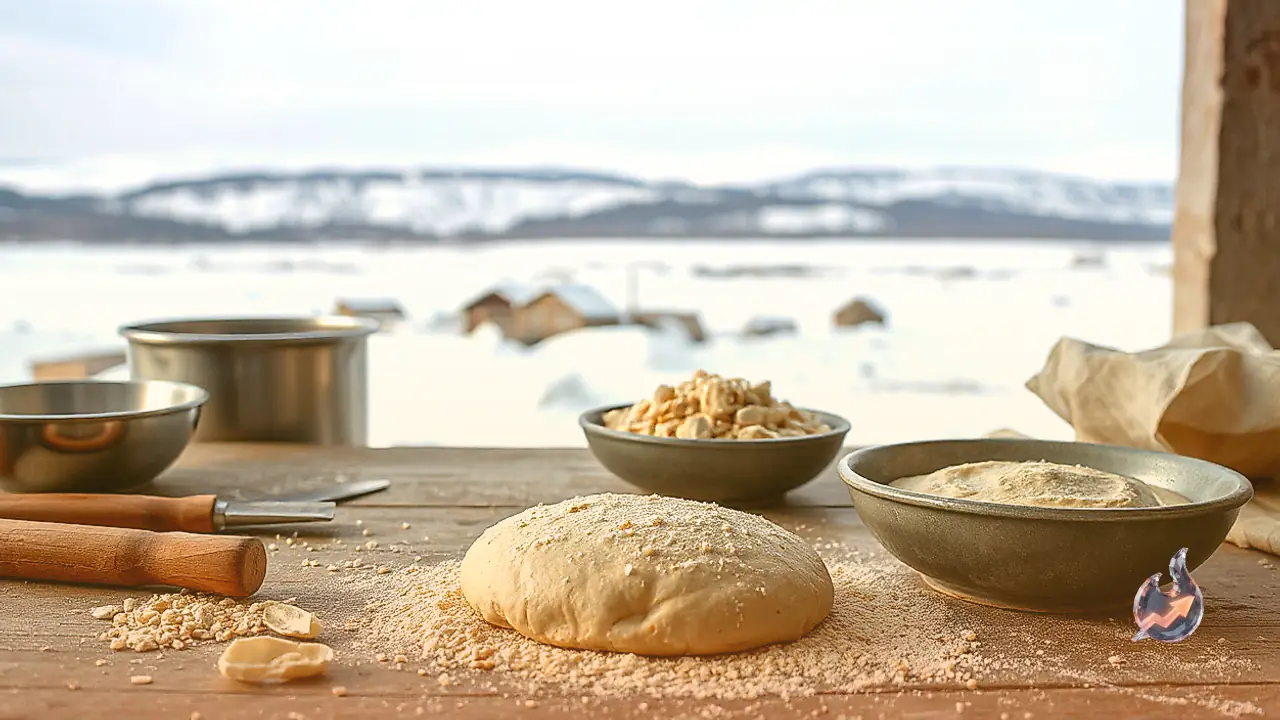
The foundation of a soft pearl millet flatbread lies entirely in how the flour is kneaded. Instead of using room temperature or cold water, it is essential to knead pearl millet flour with lukewarm or mildly warm water. Place the flour in a large mixing bowl and add warm water gradually in small quantities while working the dough. Knead gently using the palms until a cohesive structure forms. The dough should neither be too firm nor excessively moist or sticky. Warm water helps activate the starch, giving the dough a smoother, more pliable texture that makes shaping much simpler.
Avoid Letting the Kneaded Dough Rest
Unlike standard wheat dough, which often benefits from resting, pearl millet dough must be used immediately after kneading. Allowing kneaded pearl millet dough to sit uncovered or stored for an extended period causes it to lose moisture rapidly. As the dough dries out, it loses cohesion, causing severe cracking along the edges during flattening. Cooks should aim to roll or pat out flatbreads right away after preparing the dough. If additional rotis are required later in the day, it is best to knead a fresh batch of flour rather than storing old dough.
Shaping with Hands and Using a Plastic Sheet
If using a traditional rolling pin and wooden board causes the dough to disintegrate, switching to a hand-patting technique with parchment paper or a clean plastic sheet yields excellent results. Take a medium-sized portion of dough, shape it into a ball, and flatten it slightly between your palms. Dust a clean plastic sheet or butter paper with a small amount of dry pearl millet flour. Place the dough ball on the sheet and gently pat it outward using your fingers and palm in a circular motion. This method prevents sticking and allows the dough to spread smoothly into a round flatbread.
Applying Gentle Pressure and Sealing Cracked Edges
Exerting excessive force while shaping pearl millet flatbread often causes it to tear in the center or break apart along the rim. Maintain a very light touch, slowly pressing and expanding the edges in a rhythmic circle. If hairline cracks begin to appear along the perimeter as you pat the dough, dip your fingertips lightly in clean water and smooth out the edges to seal them together. This simple step ensures that the flatbread holds its structure during transfer to the hot skillet and puffs up evenly without breaking.
Cooking on Medium Heat and Serving Fresh
Proper heat management on the skillet, or tawa, is crucial for achieving the right texture and taste. Preheat the skillet thoroughly before placing the shaped flatbread onto it. Allow the first side to cook lightly before carefully flipping it over using a spatula. Reduce the flame to medium-low and let both sides cook evenly until light brown spots appear and the interior is fully done. Once cooked, brush the hot flatbread generously with clarified butter, or desi ghee, and serve immediately for maximum flavor and nutrition.