



















During religious rituals, traditional fasts, and festival celebrations, makhana is regarded as a sacred superfood and offered to deities. While consumers generally see the clean, white fox nuts in retail markets, the journey from water ponds to market sacks relies heavily on intensive manual labor and traditional skills. In Sapta village of Madhubani district in Bihar, artisans carry out this traditional processing operation using age-old techniques handed down through generations.
From Ponds to Sun: The Initial Drying Phase of Makhana Seeds
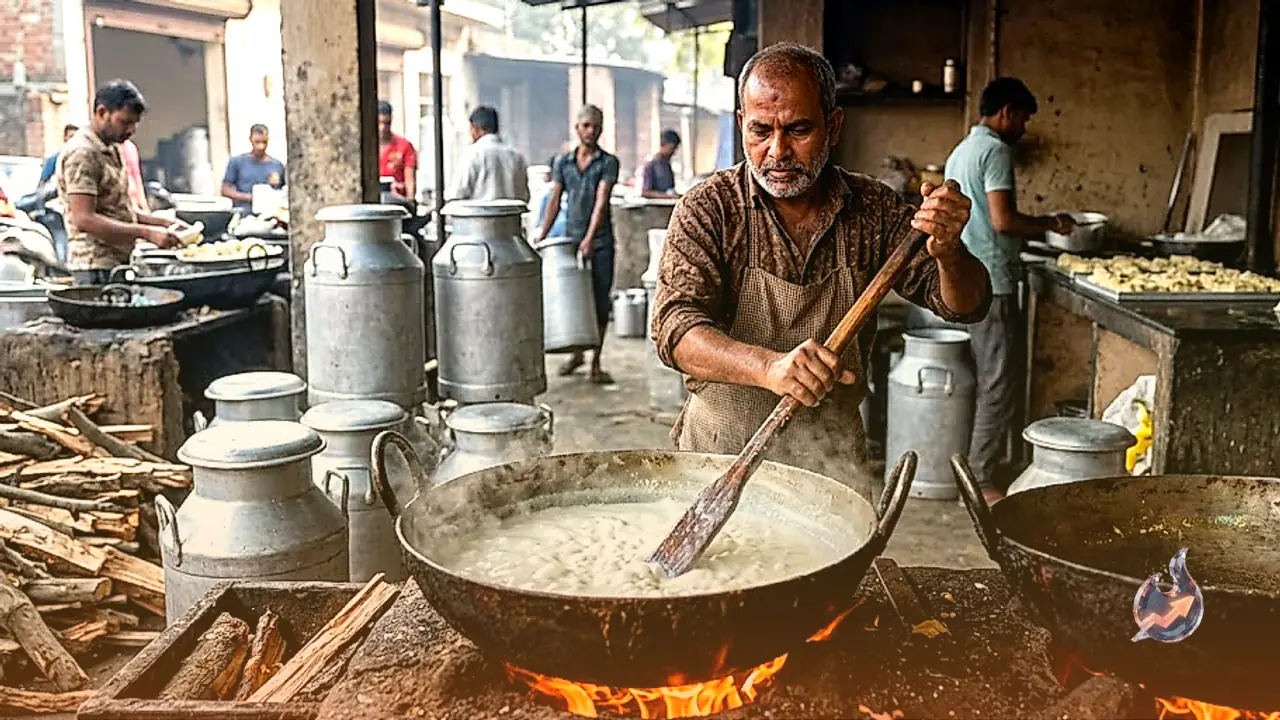
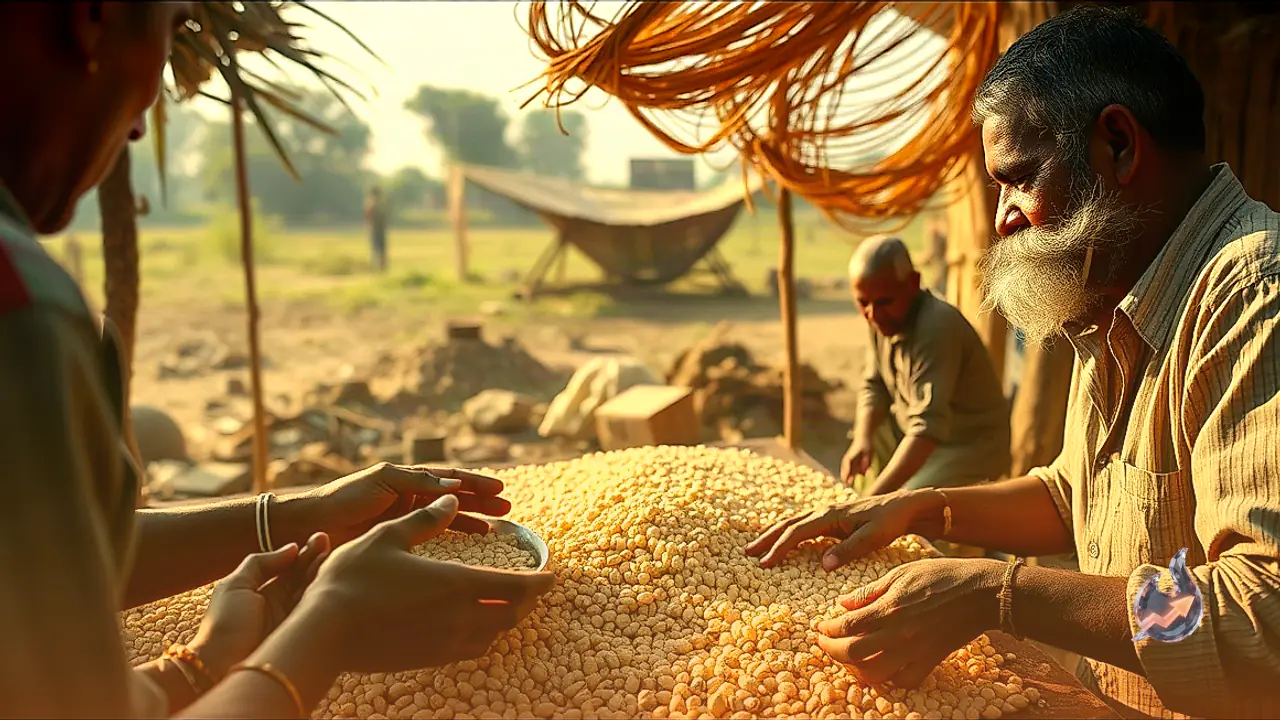
In Sapta village, a resident named Ganaur Mukhiya along with about a dozen workers manages the entire operation, which includes handling raw makhana seeds locally known as goriya, sifting them, and roasting them into popped fox nuts. After raw goriya seeds are harvested from local ponds, the first critical step is sun-drying. The raw seeds are spread out under direct sunlight for a total duration of 4 hours.
Throughout these 4 hours, workers must remain vigilant to ensure uniform drying. The seeds are turned over and spread out at least 8 to 9 times in a process locally referred to as giving lar. Drying is carried out slowly and gradually so that the quality of the seed remains intact, requiring workers to frequently check the moisture status during the interval.
The Unique Teeth Biting Test for Moisture Check
To ensure proper processing, workers employ an unusual inspection method to test whether the seeds have dried sufficiently. Artisans belonging to the Mallah community take the drying goriya seeds and bite or crack them open using their teeth. This traditional physical test provides an immediate indicator of internal moisture content.
If the inside of the seed appears white upon being cracked with teeth, it indicates that moisture remains and further sun-drying is required. On the other hand, if the internal core of the seed turns yellow when bitten open, it signifies that the goriya is completely dry and ready for the next processing stage.
Processing Costs and Payouts for the Mallah Community
According to Ganaur Mukhiya, every stage of the workflow, from drying and sifting raw goriya to roasting the seeds into lava and packaging the final product into sacks for commercial distribution, takes place on site. For completing this end-to-end processing, workers receive a payment of ₹6000 for every maund, which equals 40 kg of finished makhana.
Regardless of whether the workers finish processing a 40 kg batch within 1 day or take 2 days, they receive the fixed rate of ₹6000 per maund. The Mallah community remains pleased with this arrangement, as returning home after completing the strenuous labor yields a substantial profit and stable earnings for their households.