





















The northern Indian state of Uttarakhand, often revered as Devbhoomi or the Land of the Gods, is celebrated not only for its breathtaking Himalayan landscapes but also for its wholesome and unpretentious culinary tradition. A defining hallmark of Pahadi cooking is its genius in transforming simple, locally sourced ingredients into deeply flavorful and nutrient-dense dishes. Among these traditional recipes, hemp seed chutney, locally known as Bhang ki Chutney, stands out as a prized delicacy. While mint, coriander, and tomato chutneys dominate everyday meals across most of urban India, this unique mountain condiment crafted from roasted hemp seeds has remained a cherished household staple throughout the hill regions of Uttarakhand. In recent months, this age-old preparation has crossed over from rural home kitchens into the bustling street food culture of the Doon Valley, breathing new life into local dining experiences.
Street Food Innovation: Jhol Momo Meets Mountain Chutney
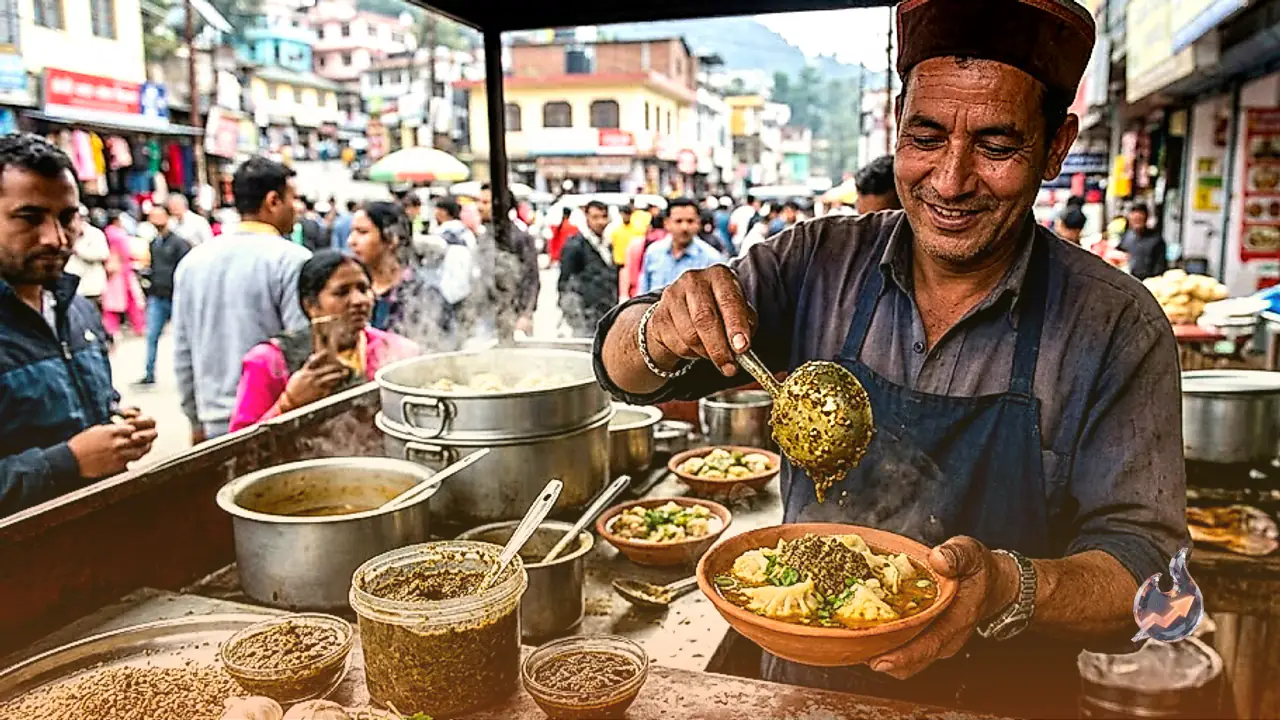
In Dehradun, the capital of Uttarakhand, a distinct culinary trend has taken the local youth and street food enthusiasts by storm—the integration of traditional hemp seed chutney into Jhol Momo. Jhol Momo features steamed dumplings submerged in a spicy, flavorful broth or gravy. Food vendors across Dehradun have begun enhancing this piping-hot broth with a generous spoonful of freshly prepared Bhang chutney. The seeds impart a rich, roasted, nutty character that seamlessly blends with the tangy punch of local mountain lemons and the heat of fiery chillies. This harmonious interplay of flavors elevates the humble street snack into a gourmet experience, making the fusion dish an instant hit among college students, locals, and visiting tourists alike.
Nutritional Powerhouse: A Non-Intoxicating Superfood
Despite common misconceptions surrounding the hemp plant, dried hemp seeds contain zero psychoactive compounds and induce no intoxication whatsoever. Modern nutritionists and food scientists recognize hemp seeds as a dense superfood packed with essential nutrients. They are an exceptional plant-based source of Omega-3 and Omega-6 essential fatty acids, high-quality digestible protein, dietary fiber, and vital minerals. Traditional Pahadi wisdom has long championed this seed for its therapeutic properties. Regular consumption helps regulate digestive function, enhances body immunity, and provides warmth to the limbs. Mountain elders frequently advise incorporating hemp seed chutney into daily meals during the harsh winter months to alleviate joint stiffness and cold-weather fatigue.
Cultural Significance and Seasonal Relevance
Hemp has held a sacred and functional place in the cultural fabric of Uttarakhand for centuries. While hemp leaves are associated with religious rituals and festive beverages like thandai during Mahashivratri celebrations, the seeds serve a purely nutritional role in daily gastronomy. In the high-altitude regions of the state, monsoon rains and freezing winter spells bring about a surge in the preparation of hemp-based dishes, including savory snacks, vegetable accompaniments, and chutneys. The seeds possess inherent warming properties that help maintain core body temperature during severe cold spells, making them an indispensable element of winter survival and wellness in the hills.
Key Ingredients for Authentic Preparation
Preparing authentic Bhang seed chutney requires remarkably few ingredients, relying instead on precise balance and technique. The primary component is high-quality dry hemp seeds. Complementary spices include dry-roasted cumin seeds, fresh green chillies or dried red chillies, garlic cloves, sea salt, and a generous bunch of fresh coriander leaves. The crucial sour note is traditionally derived from Galgal, a large, intensely aromatic mountain lemon native to the Himalayas, or alternatively from fresh pomegranate seeds known as anardana. Achieving the perfect equilibrium between the nutty seeds, earthy cumin, fiery chillies, and sharp citrus acidity is the secret behind its unmatched flavor profile.
Step-by-Step Culinary Technique
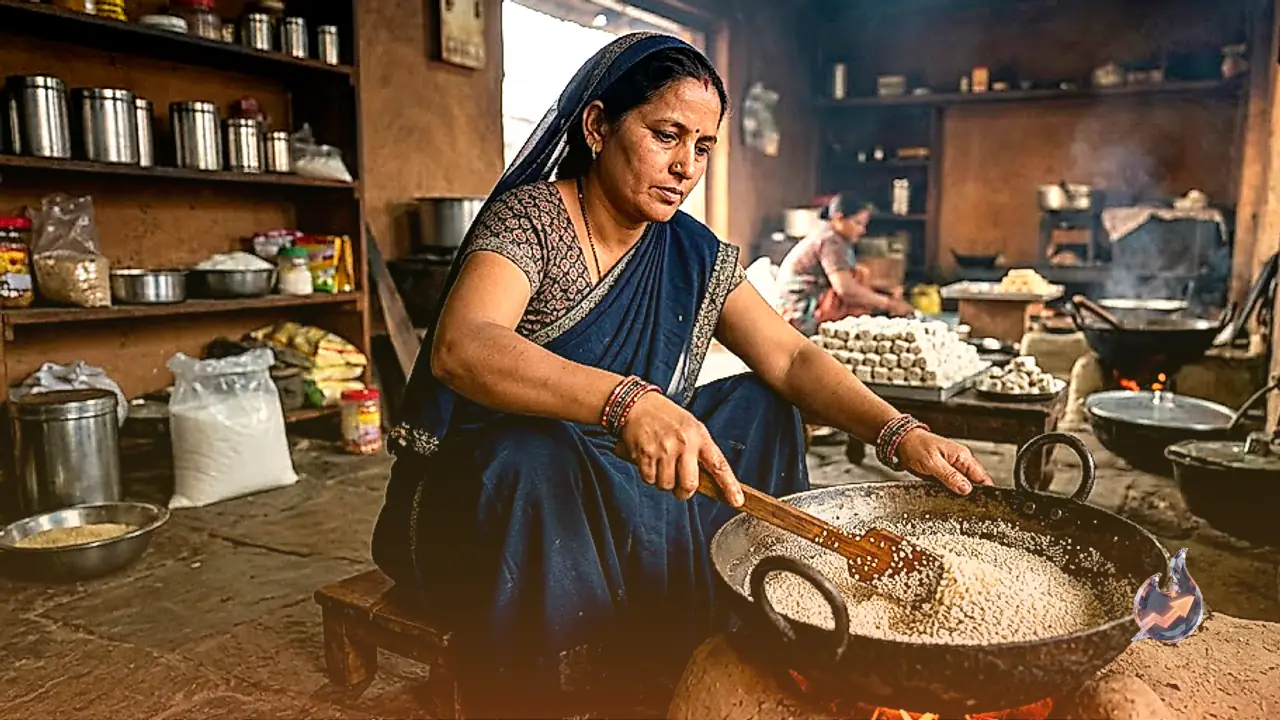
The preparation process begins with gently roasting the dry hemp seeds on an ungreased iron skillet or tawa over low flame. The seeds must be stirred continuously until they begin to crackle subtly and release a distinct, nutty aroma. Once roasted, the seeds are allowed to cool completely before being transferred to a grinding surface. They are ground alongside green chillies, roasted cumin, garlic, and fresh coriander leaves into a fine, cohesive mix. Finally, fresh Himalayan lemon juice and salt are folded into the ground mixture, forming a thick, smooth paste with a vibrant greenish-brown hue.
Silbatta vs. Modern Blender: The Craft of Grinding
While contemporary households often rely on electric mixer grinders to save time, culinary purists insist that the true essence of hemp seed chutney can only be unlocked using a traditional silbatta, a flat stone slab paired with a stone roller. When hemp seeds and aromatic herbs are manually crushed between stone surfaces, the mechanical pressure extracts the seed's natural essential oils without generating heat. Electric blender blades, by contrast, generate friction heat that can dull the delicate aromas and alter the texture. The slow, stone-ground method yields a velvety texture and an aromatic depth that electric appliances simply cannot replicate.
Beyond Dumplings: Everyday Culinary Versatility
While its partnership with Jhol Momo has brought it newfound urban fame, hemp seed chutney has always been a versatile staple in mountain homes. It serves as an exceptional side dish alongside steaming hot khichdi, manduwa (finger millet) rotis, plain rice and lentils, or stuffed parathas. A single spoonful of this nutrient-rich chutney can transform even the simplest meal into a flavorful feast. As travelers from across India and around the globe discover Uttarakhand's rich culinary landscape, Bhang ki Chutney is emerging as an iconic symbol of authentic Himalayan food heritage.