





















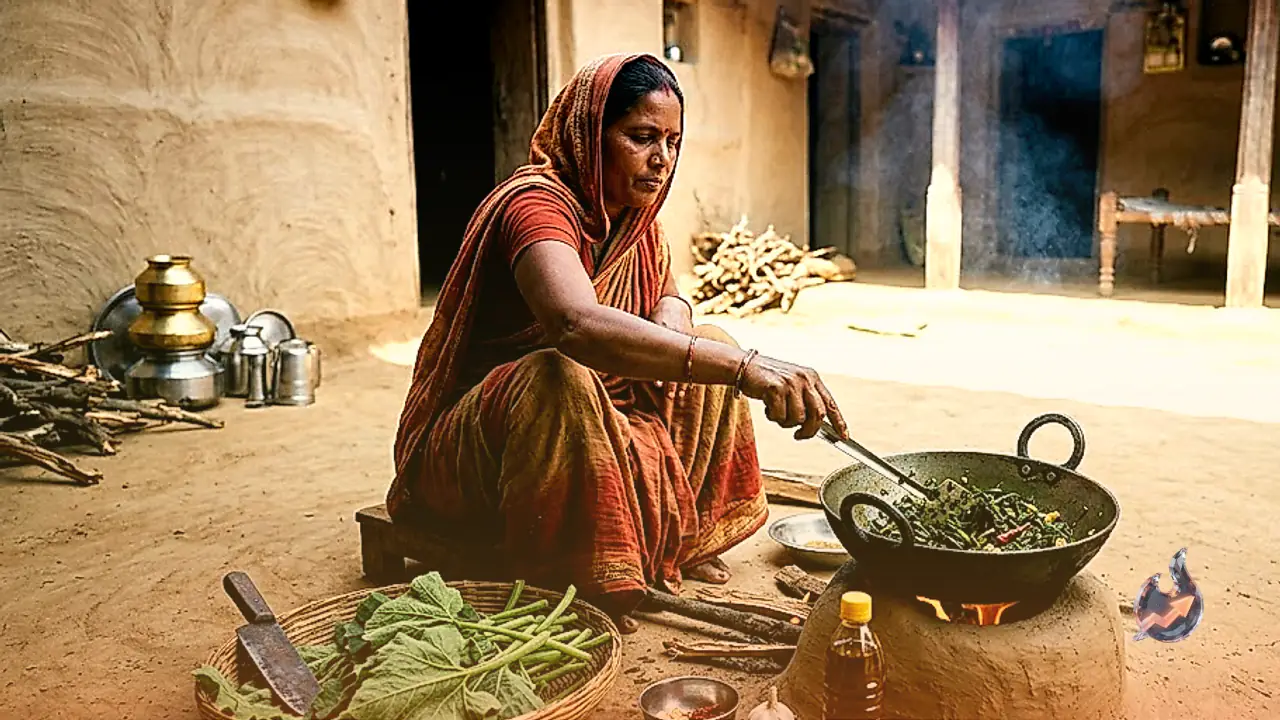

The traditional cuisine of the Baghelkhand region in Madhya Pradesh is rooted in rural simplicity and earthy farm flavors. Across village kitchens, home cooks regularly prepare nutritious preparations using ingredients that urban households often overlook or discard. A standout among these age-old rural delicacies is a dry vegetable dish prepared from tender pumpkin vine leaves. During the rainy period, when sprawling pumpkin vines cover home gardens and farm fences, these freshly harvested leaves become a flavorful centerpiece on traditional lunch plates.
Selecting Tender Foliage and Cleaning the Fibers
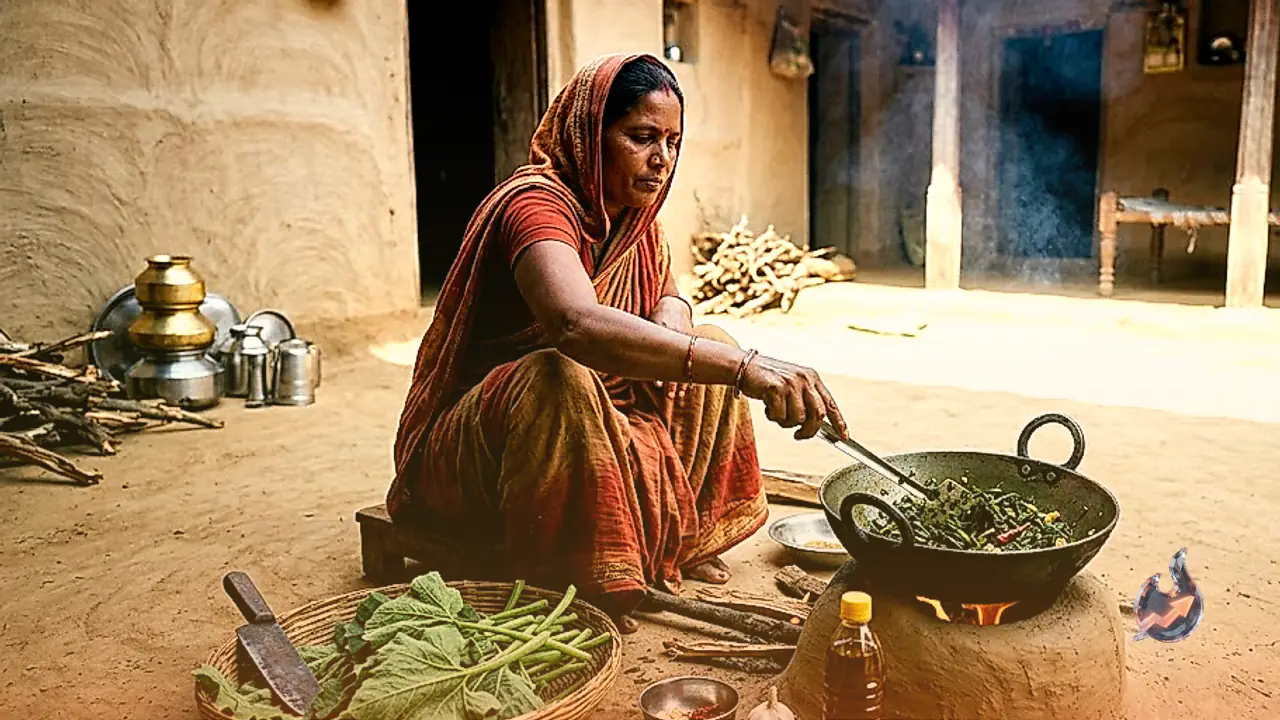
The preparation process remains delightfully simple and unhurried. Satna resident Anjali Chaturvedi notes that the secret to the dish lies in picking only the tender, youngest leaves directly from the vine. Once brought to the kitchen, the fibrous strands along the stems are stripped away, and the leaves are thoroughly rinsed in water to eliminate any adhering soil or grime. The cleaned greens are then sliced very finely. Chopping the leaves finely ensures that they wilt evenly in the pan and absorb seasonings uniformly without turning fibrous or tough.
Tempering with Mustard Oil, Garlic, and Green Chilies
To prepare the dish, mustard oil is heated in a heavy pan until hot. A traditional tempering follows, consisting of minced garlic, chopped green chilies, and finely sliced onions. As the garlic and chilies sizzle in pungent mustard oil, an unmistakable rustic aroma fills the cooking area. The finely shredded pumpkin greens are then added to the pan along with routine ground kitchen spices and salt to taste. The mixture is cooked uncovered or lightly covered over low to medium heat, allowing the foliage to tenderize gradually as the seasonings permeate the greens.
Serving Alongside Hot Flatbreads and Lentils
In the villages of Baghelkhand, this leafy preparation is not reserved solely for festive occasions; it remains a regular staple of ordinary family dining. Locals enjoy it most when served fresh off the fire alongside piping-hot rotis. Additionally, it serves as a savory dry side accompaniment to plain steamed rice and lentil curry. The appeal of this recipe lies in its absolute frugality, as it requires zero expensive ingredients or specialized market blends, drawing its entire taste from homegrown greens and routine kitchen staples.
Seasonal Availability During Ashadh and Monsoon Showers
This traditional leafy vegetable holds a deep cultural connection with the month of Ashadh and the onset of regular monsoon rains. As moisture soaks the soil, pumpkin creepers grow vigorously around field boundaries and rural homesteads, continually sprouting fresh, bright leaves. Families harvest and cook the greens on the very same day, locking in a field-fresh flavor that store-bought vegetables rarely offer. The only essential precaution remains washing and de-stringing the leaves meticulously before cooking begins.