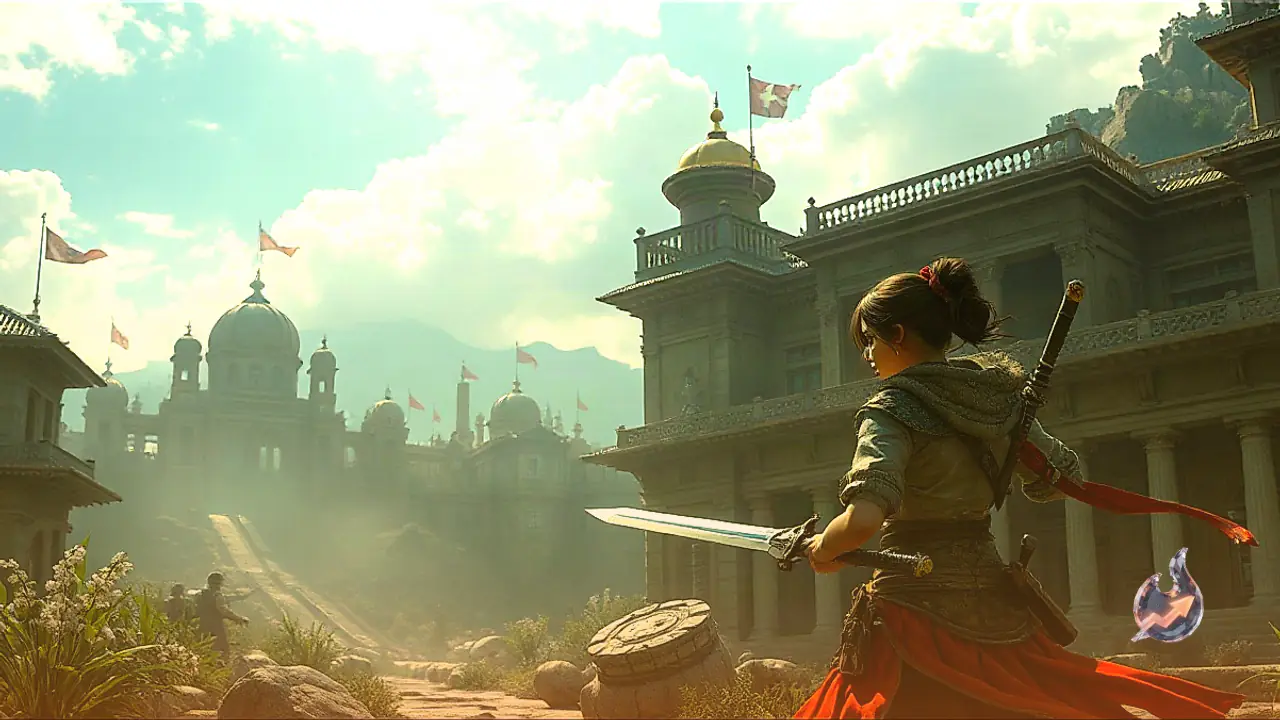






















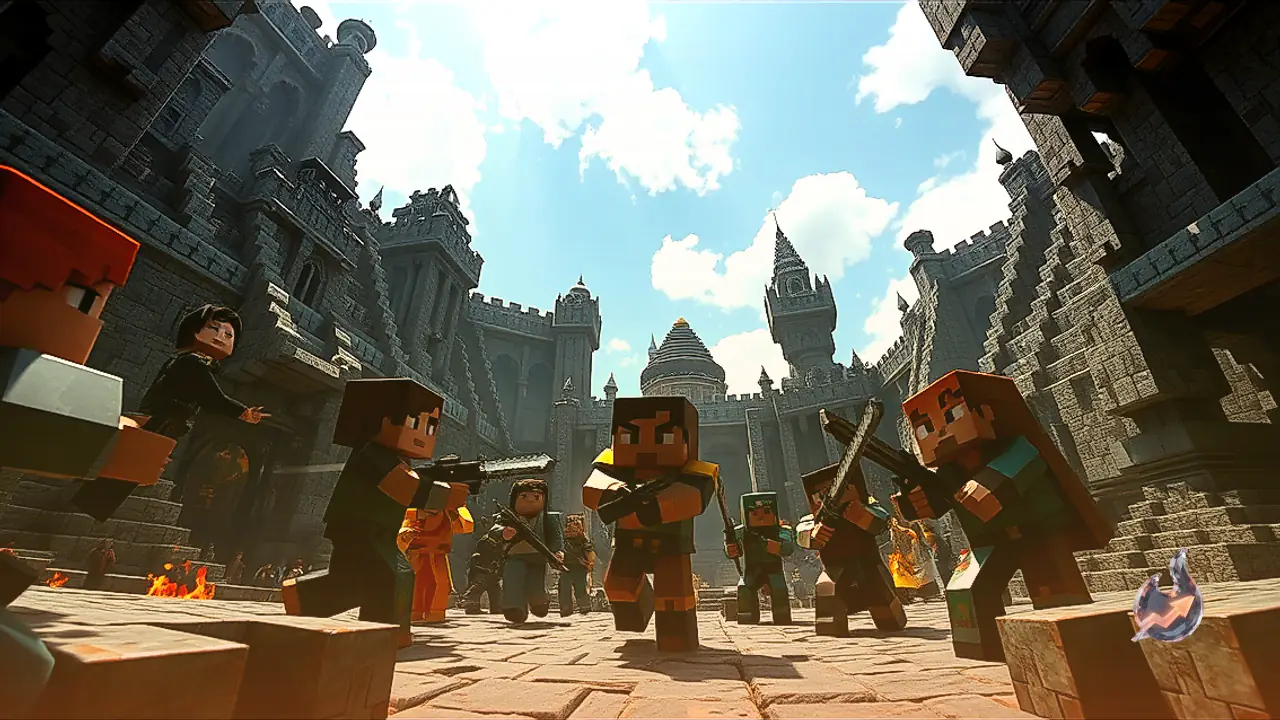

Building significantly upon its predecessor, Minecraft Dungeons 2 expands both the blocky universe of the core franchise and the hack-and-slash combat introduced in the spin-off. At the center of this expansion is an entirely new dimension named The Sift. This vibrant, supernatural realm serves as a major focal point, enriching the core gameplay and narrative while offering dedicated fans of the original game their first brand-new dimension in more than ten years.
The Sift and Layered Gear Systems
While the addition of The Sift provides an immediate draw for veteran sandbox players, those who arrived specifically through the dungeon-crawling spin-off will notice widespread mechanical enhancements. The debut title offered competent dungeon exploration, yet it often felt relatively simple when measured against rival looting and leveling titles. The follow-up directly confronts that limitation by introducing a considerably deeper, more layered equipment structure.
Alongside a broader selection of ranged and melee weapons, player armor is now divided into four discrete categories: helmets, chestplates, leggings, and boots. Each individual piece of gear can be steadily upgraded through leveling and magical enchanting. Furthermore, the inclusion of fresh artifacts and talismans expands combat customisation, providing active and passive skills that players can freely assemble to defeat incoming hordes.
Semi-Open Level Design and Traversal
This wide selection of loadout tools encourages experimentation, inviting players to venture outside standard class roles. Whether wielding blades, drawing bows, or casting fireballs, combat unfolds across an expansive, organically connected world. The original release relied on linear paths and rigid mission corridors, whereas the sequel adopts semi-open environments that feel much closer to a full-fledged action RPG, featuring ample room for exploration alongside optional objectives.
Navigation within this larger territory is substantially improved through the introduction of a jumping mechanic. Adding vertical traversal makes moving across the landscape feel fluid, natural, and far more engaging than traversing the flat planes of the initial entry.
Co-Op Strengths and Campaign Limitations
Despite its noticeable advances, the title retains a few clear limitations. At its core, the project remains an accessible, family-oriented title that favors universal appeal over demanding role-playing mechanics. Clearing subterranean corridors alongside a partner in couch co-op is energetic and entertaining, but hardcore fans of hardcore action RPG systems might find the mechanical depth somewhat thin.
The game also shows constraints in endgame longevity. The primary story campaign is relatively brief, and once completed, there is not an extensive amount of post-campaign activity available. Given the extensive post-launch downloadable content produced for the original entry, this shorter opening adventure serves primarily as an introductory stage. Rather than radically altering the action RPG genre, the game refines the core systems of the original and delivers an accessible local multiplayer experience.