























This CookUnity review (2026) explores how a unique meal delivery service attempts to bridge the gap between convenient ready-to-eat meals and actual restaurant quality. When unpacking the Night Market Chicken lunch, the immediate test was whether a sealed microwavable tray delivered by courier from Seattle to Portland, Oregon three days prior could possibly hold up against real culinary standards.
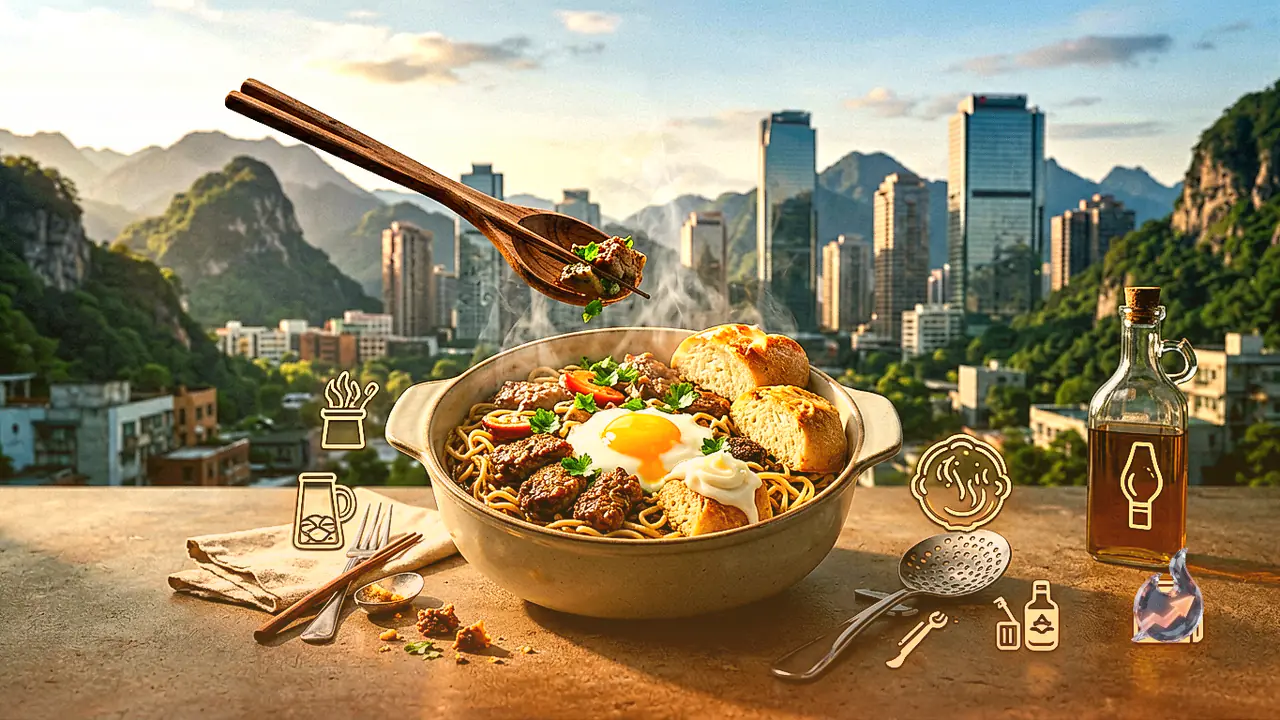
Achieving a satisfactory texture seemed unlikely at first glance. Yet, upon reheating the chicken in an air fryer, the breading emerged pleasantly crisp while the meat remained tender and juicy. Accompanied by an Asian-influenced sesame-soy glaze and a generous portion of egg fried rice, the dish easily rivaled standard takeout food from a nearby neighborhood restaurant.
How CookUnity Operates
CookUnity stands apart from standard prepared meal services through a model that functions somewhat like a hybrid between a traditional food service and DoorDash. Rather than relying on top-down corporate kitchens, the platform operates regional hubs that enlist local and national culinary professionals, including notable names like Jose Garces and Esther Choi.
Operating as a subscription service, customers select a specific number of weekly meals from a rotating menu. Pricing ranges from around $12 per meal for a ten-portion weekly plan to over $15 for a four-meal selection. While more expensive than cooking from scratch or buying a frozen dinner, it remains considerably cheaper than standard restaurant delivery.
Ordering and Heating Options
Orders placed by Thursday generally arrive by Monday. Customers can filter menus by dietary type, including vegan, vegetarian, GLP-1 friendly, fiber-rich, high or low calorie, and specific allergen restrictions. Meals span from lighter 500-calorie lunches to substantial 1,200-calorie feasts.
While each meal comes in a microwave-safe tray, the service emphasizes chef-recommended alternative heating instructions, such as a ten-minute turn in a toaster oven or a five-minute stovetop sauté. Air fryers also serve as an effective substitute for toaster ovens with excellent results.
Regional Hubs and Chef Variety
A defining characteristic of CookUnity is that menus and chefs vary significantly by region. The Seattle hub is among the smaller operations with roughly a dozen chefs, yet the weekly menu still exceeds two hundred available dishes due to the extensive variety each cook provides.
Local culinary talents often stand out among the selections. For instance, Odisha-born Seattle chef Gaurav Raj produces rich Indian gravies such as butter chicken and chicken lababdar that outperform standard neighborhood Punjabi takeout. These meals offer saffron-infused basmati rice and plump, juicy chicken without excessive sweetness.
Business Model and Quality Consistency
The reliance on distinct regional kitchens creates variability, as different hubs feature different chefs and menu selections. Even when utilizing the same recipe, separate kitchen facilities can yield slightly different outcomes. Additionally, larger meal portions tend to feature heavy carbohydrates like rice, noodles, or pasta, though balanced protein and vegetable options remain widely available.
The core driver behind the quality of CookUnity is healthy competition within shared commissary kitchens. Because each chef places their name and face directly on the packaging, individuals with active restaurants and reputations to protect maintain a strong incentive to deliver interesting and flavorful dishes.