







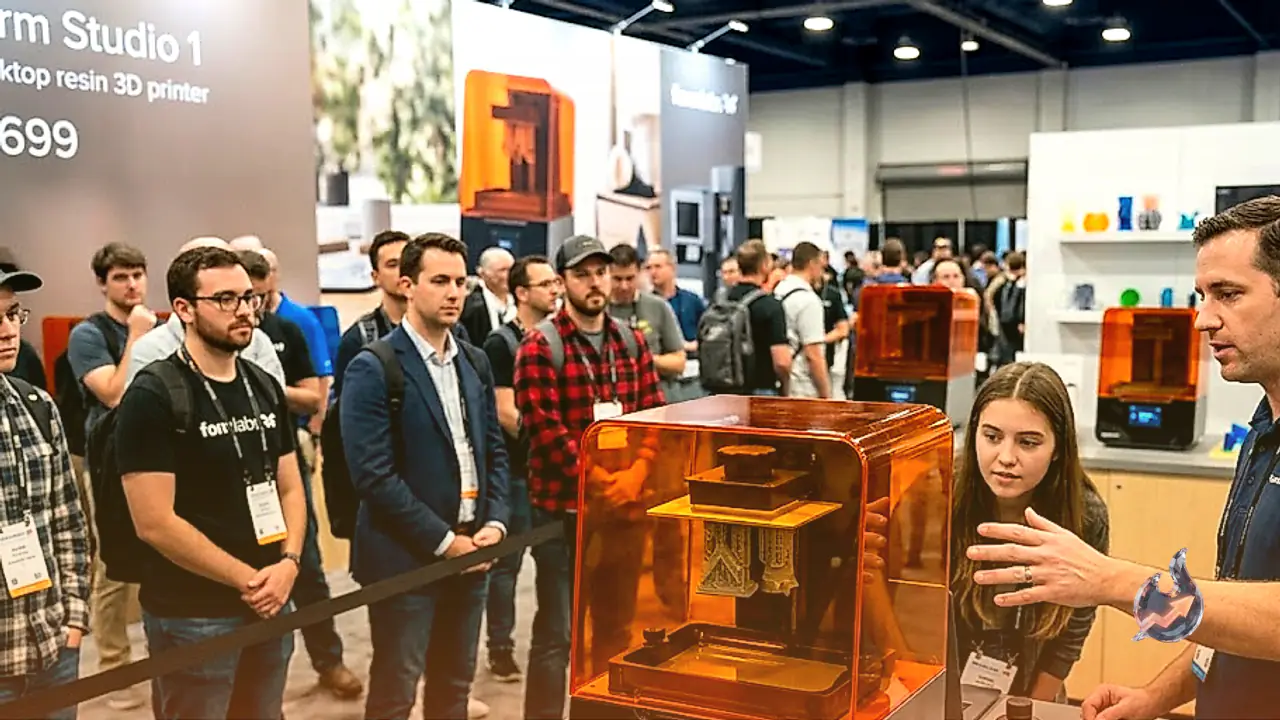














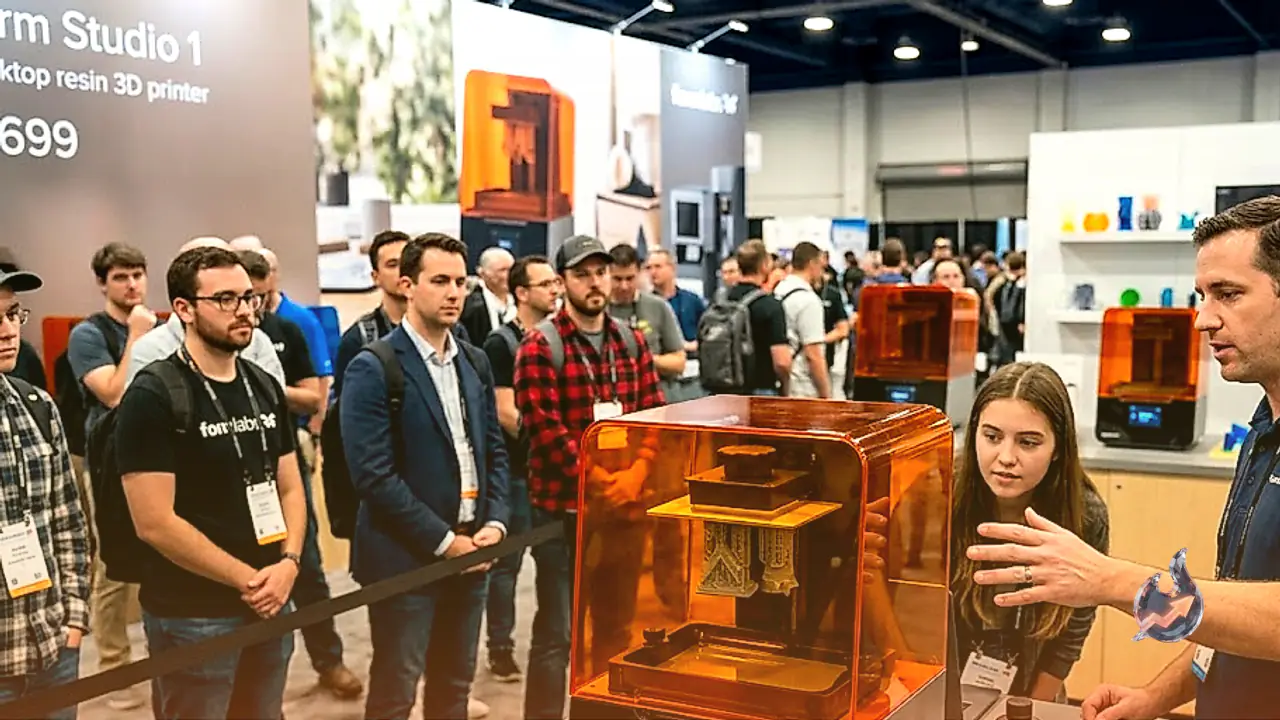

Prominent 3D printer manufacturer Formlabs has officially stepped into the home consumer space with the launch of the Form Studio 1, a desktop-friendly stereolithography machine engineered to bring fine-detail resin fabrication to mainstream hobbyists, educators, and makers. The release marks a major strategic expansion for a brand that has historically catered almost exclusively to specialized workshops and corporate fabrication environments.
Expanding Beyond High-Priced Commercial Equipment
Formlabs maintains a substantial presence in the additive manufacturing sector, with nearly 200,000 active printers deployed across the globe. Traditionally, its core clientele has consisted of dental laboratories, prototyping facilities, and industrial assembly shops with budgets capable of spending $2,500 or more per machine. Even the company’s previous entry-level model carried a steep price tag of $2,300. The newly launched Form Studio 1 directly targets budget-conscious buyers at $699, with sales already underway. Proprietary resin bottles designed for the system start at $29 each.
SLA Technology, Footprint, and Vintage Aesthetics
The device operates using stereolithography (SLA) technology, a method where liquid resin polymerizes and hardens into solid plastic under targeted ultraviolet light. Visually, the Form Studio 1 and its companion hardware feature translucent orange casings that evoke the design language of classic iMac computers. In terms of dimensions, the printer occupies roughly the footprint of a compact minifridge.
David Lakatos, chief product officer at Formlabs, emphasized that the machine is engineered with an economical desktop footprint in mind, noting that any standard desk should comfortably accommodate the hardware. However, completing the production pipeline generally requires an additional wash-and-cure station. Formlabs sells the Form Studio Wash+Cure accessory separately for $199, which shares a similar footprint and cleans uncured liquid resin from finished prints. Factoring in secondary toolboxes, finishing instruments, and replacement resin cartridges, organizing a dedicated workstation remains an essential consideration for prospective owners.
Odor Management and Safety Standards
A primary friction point in desktop resin printing has traditionally been pungent chemical fumes, making indoor operation unpleasant. To mitigate this issue, Formlabs-branded resins carry UL GreenGuard certification, meeting rigorous standards commonly applied to infant and nursery goods to verify minimal chemical off-gassing and safe skin contact. The objective is to make the machine usable in regular living quarters without overwhelming indoor air quality.
Addressing placement flexibility, Lakatos observed that some owners may end up placing the unit in personal bedrooms. While he noted that he does not personally sleep next to operating hardware, the machine runs quietly enough and manages odors sufficiently during active cycles that residential operation is entirely feasible, with resin smells predominantly noticeable only when opening the protective hood after printing concludes.
Performance Speed, Mobile Management, and Reliability
In terms of operational speed, the system can produce functional components in minutes rather than hours. For instance, generating a protective enclosure for a Raspberry Pi setup requires approximately eight minutes. A clear protective cover for the included toolbox finishes in around 17 minutes, yielding clean edges and intact structural detail under quiet operating conditions.
According to internal performance evaluations conducted by Formlabs, the Form Studio 1 demonstrates an estimated 2 percent print failure rate when utilizing official company resins, representing a notable reliability standard for entry-tier SLA equipment. Lakatos noted that while the hardware accepts third-party supplies, including generic toxic resin formulations available on Amazon, the company advises against using untested chemical mixtures. Users can monitor operations, adjust job settings, and dispatch files to the machine through the dedicated Form Mobile companion application, offering a streamlined workflow for projects demanding crisp structural definitions and dependable material integrity.