






















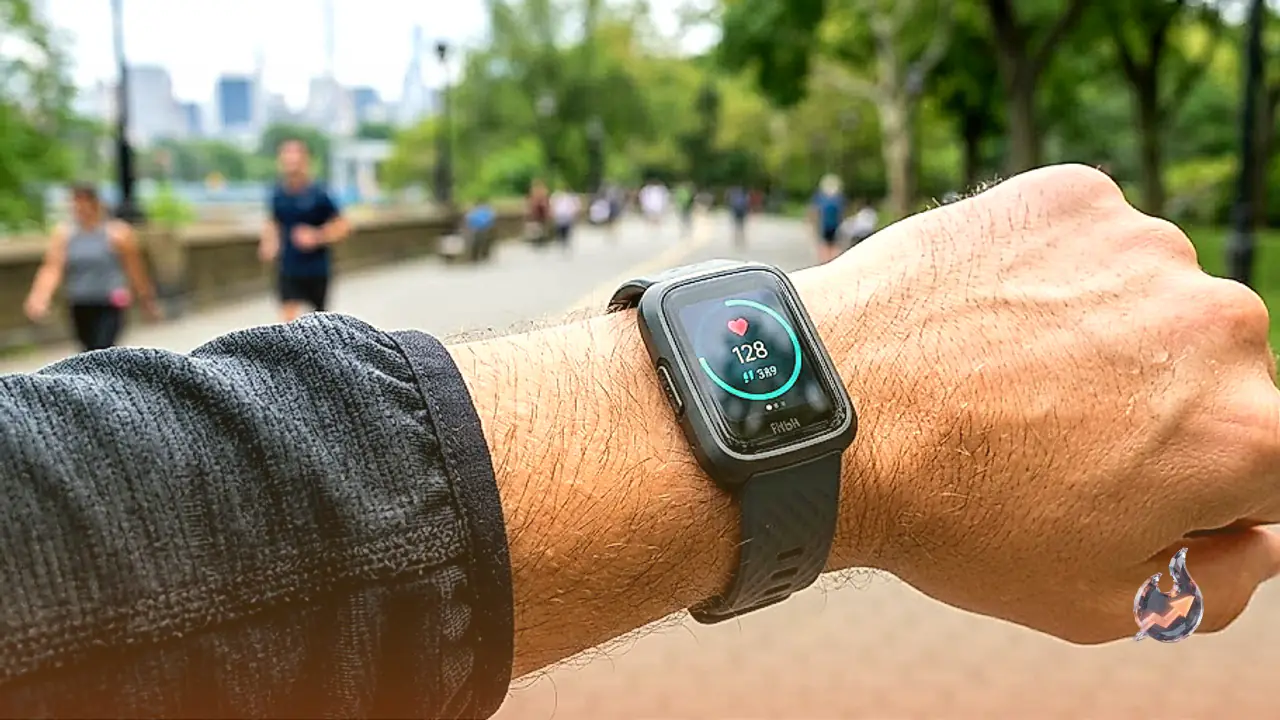

Announced on Monday, the new fitness tracker is the successor that fans preferring a screen have been eagerly anticipating. Priced at $180, it occupies a sweet spot that avoids the steep cost of a Google Pixel Watch while delivering a comparable experience inside a slimmer, pill-shaped design. Unlike the Pixel Watch, it connects seamlessly with both Android and iPhones through the Google Health app. Preorders are currently open, and the device officially goes on sale on October 27.
User-Replaceable Battery and Repairability
In a Fitbit first, the device features a user-replaceable battery, aligning with Google's broader initiatives to make its Pixel Watch lineup more repairable. This design choice is also likely influenced by upcoming battery regulations scheduled to take effect next year across the European Union. Repair options and procedures will naturally vary depending on regional availability.
For users who find the circular face of the Pixel Watch too bulky, the capsule-shaped alternative of the Edge offers a more comfortable fit for smaller wrists. Furthermore, users who felt constrained by the 1.04-inch display on the Charge 6 will appreciate the upgrade to a larger 1.34-inch screen. This noticeable difference in screen estate proves genuinely impactful when glancing down at vital fitness metrics right in the middle of an active workout session.
Advanced Sensors and Tracking Capabilities
The device borrows several sophisticated attributes from the Pixel Watch, including an integrated altimeter that leverages atmospheric pressure to gauge elevation changes. This enables it to accurately record elevation gains and losses during outdoor activities, track floors climbed, and supply deeper context to outdoor workouts. It also incorporates a far-field skin temperature sensor, superseding the standard device temperature sensors found in older Fitbit models. By introducing advanced Pixel Watch hardware to a fitness-first wearable, Google carves out a compelling middle ground at a budget-friendly price point.
The tracker inherits improvements from the Fitbit Air while restoring several core features missing from screenless models, including built-in GPS and electrical sensors that power the electrocardiogram app. Users can control music playback directly on connected Bluetooth devices, mirroring the capabilities of the Charge 6, while Google Maps turn-by-turn navigation directions are slated to arrive later in the year.
Gemini Intelligence and Health Subscriptions
Advanced automatic activity tracking powered by Gemini Intelligence allows the device to identify up to 100 distinct workout types. It supports more than 50 discrete exercise modes, marking an increase from the 40 modes available on its predecessor. Google plans to roll out these intelligence features to the Pixel Watch 5 and Air as well, eliminating the need for users to manually log every routine activity.
Backed by a Google Health Premium subscription, the tracker can monitor blood pressure trends without requiring manual calibration alongside tracking insulin resistance trends without drawing blood. Google initially revealed these capabilities alongside the debut of the Pixel Watch 5, though they only rolled out widely at the end of September. These tools are also accessible on the Air, keeping the screenless tracker updated as the ecosystem expands.
Battery Life, Omissions, and Band Options
The consistent seven-day battery life remains a major advantage when compared directly against the Pixel Watch. Similar to the Air, it requires roughly 90 minutes to achieve a full charge, which cuts thirty minutes off the charging duration of the Charge 6.
One curious hardware omission is the exclusion of a near-field communication sensor, meaning the Edge lacks support for contactless payments via Google Wallet. This represents a step down from the Charge 6 and an unexpected capability to lose on a fitness-oriented device positioned above basic models.
The tracker introduces fresh analog and digital clock faces alongside the returning Canyon band color from the Pixel Watch 5, plus five additional band styles including Active, Active Sport, Performance Loop, Magnet, and Metal Links bands. The Stephen Curry collaboration edition priced at $220 returns in the familiar brown-orange color scheme seen on previous models.
Alongside this release, Google is giving the screenless Fitbit Air a visual update featuring a new Metal Mesh band. This dressier strap transforms the discreet fitness tracker into a statement fashion accessory. While dedicated fans of screenless devices may not switch, users looking for an affordable display-equipped tracker for Android or iOS have a strong new option.