






















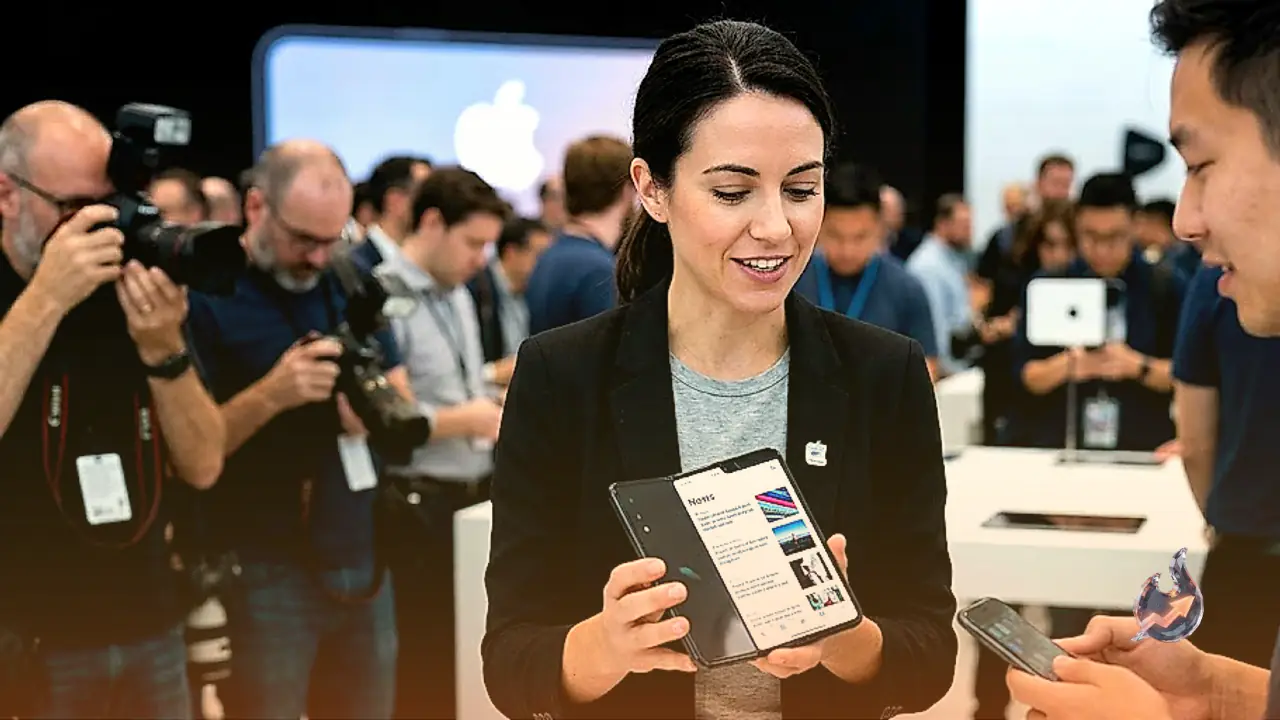

Apple has officially entered the folding smartphone market with the debut of its very first book-style foldable device, named the iPhone Duo. Offered in Star White and Night Sky color options, the new handset carries a price tag of $1,999 for the 256 GB storage model. Preorders for the device are scheduled to begin on October 16, while official retail sales will kick off on October 23. The Duo arrives alongside the pro versions of Apple's latest lineup, specifically the iPhone 18 Pro and iPhone 18 Pro Max.
Display Specifications and Durability
The iPhone Duo features a 5.4-inch screen on the exterior. Unfolding the device reveals a second 7.6-inch inner display, matching dimensions remarkably close to the iPad Mini. Apple maintained a consistent aspect ratio across both screens to ensure optimal visual quality. The device boasts a titanium frame with a mirror finish, protected by Apple's Ceramic Shield glass on the back and Ceramic Shield 2 on the front. Notably, it includes an IP68 dust and water resistance rating, beating Samsung and joining Google's folding Pixel models as the only devices in the category with this level of protection.
Hinge Design and Crease Management
Apple implemented a custom variable torque profile in the hinge mechanism to facilitate smooth opening and closing actions. When fully open, the manufacturer describes it as the thinnest iPhone ever produced. Similar to Samsung's approach with its Flex Titanium technology, Apple places a carbon fiber metal plate underneath the flexible panel to manage bending stress. Combined with a nano-texture finish and a proprietary scratch-resistant coating, this setup keeps the display flat and minimizes visible creasing.
Biometrics and Connectivity Options
In a surprising hardware shift, the folding handset omits the Face ID sensor to conserve internal space for the folding components. Instead, it reintroduces the fingerprint-sensing Touch ID scanner integrated into the side power button, a feature previously seen on select Apple tablets. Furthermore, this marks the first iPhone to support the USB-C Apple Pencil, although the chassis lacks a magnetic storage dock along the edges. Under the hood, the device runs on the A20 Pro processor and features Apple's new custom C2 modem, which supports mmWave 5G in the United States.
Camera System and Foldable Capabilities
The rear camera array houses two sensors: a 48-megapixel primary camera and a 48-megapixel ultrawide lens, omitting a telephoto zoom option similar to Samsung's Galaxy Z Fold8. For selfies and video calls, the device includes a 12-megapixel camera on the outer cover and an under-display FaceTime camera on the inner screen. The folding form factor enables unique capture features, such as displaying animations on the outer screen to capture children's attention or setting the device upright on a flat surface to take automatic group photos.
Battery, Software, and Market Outlook
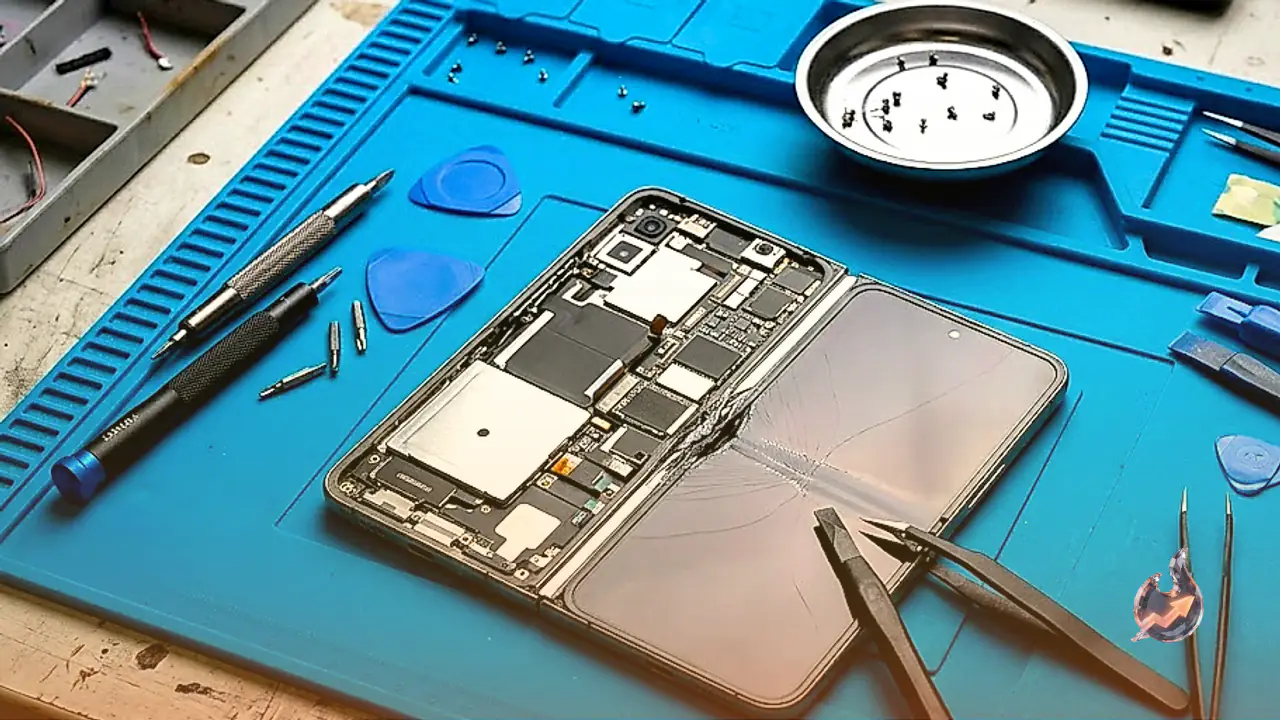
Powering the device is the largest battery ever integrated into an iPhone, utilizing a split system across both halves to deliver up to 31 hours of video playback using the inner display or 44 hours on the outer screen. Software optimizations allow apps to scale seamlessly from smaller screens to tablet-like layouts, supported by vertically stacked controls and a vertical dock. As Apple enters a niche market currently dominated by competitors like Samsung, Honor, Google, Motorola, and Oppo, industry experts project significant category growth, despite ongoing discussions regarding repairability and device pricing.