





















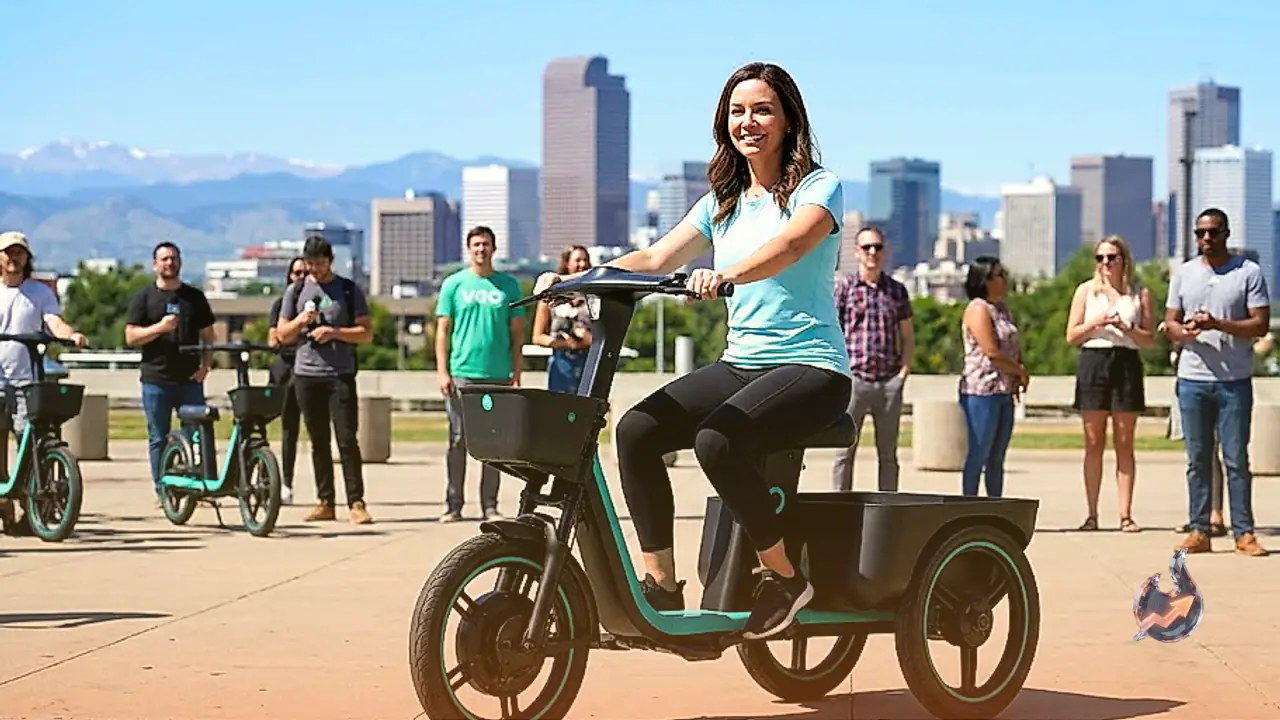

Unveiled Tuesday at an event in Denver, micromobility company Veo introduced the Rover, a three-wheeled, sit-down electric vehicle engineered for everyday street riding. The vehicles are currently available in Denver, but Veo intends to expand the deployment to cities across the United States. The Rover functions similarly to conventional shared bicycles and e-scooters, requiring users to sign up via the Veo app, pay an unlock fee, and take it for a ride. Measuring 2.5 feet wide, the trike is specifically sized to fit legally within standard three-foot-wide bike lanes.
Performance, Range, and Cargo Capacity
The trike features a maximum speed of 10 miles per hour. While cities typically cap rental bikes and scooters at 15 mph, Veo deliberately chose a slower velocity for safety considerations. The Rover utilizes the same battery architecture as Veo's other electric vehicle offerings, providing a travel range of approximately 45 miles per single charge. Additionally, the rear of the vehicle is equipped with a cargo basket capable of holding up to 100 pounds of luggage, groceries, or other personal items.
Denver Expansion and Exclusive Partnership
Veo operates as a smaller competitor in the broader micromobility sector, maintaining a presence in roughly 60 smaller American cities. In May, municipal authorities in Denver secured an exclusive contract with Veo to replace competing rental scooters and ebikes previously operated by Lime and Bird. As the exclusive supplier of shared bikes and scooters throughout Denver, Veo utilized the location to showcase the newest addition to its rental fleet. The trike primarily serves as an accessibility initiative, as three-wheeled platforms inherently stand upright and self-balance much more effectively than standard two-wheeled bikes and scooters.
Accessibility Initiatives and Advocacy Collaboration
City governments frequently mandate that micromobility providers offer specialized alternatives for users requiring accessible transportation. Competitors have previously launched similar efforts, such as Lime's Lime Assist program and Bird's accessible rentals initiative introduced in April. Veo aims to make accessible vehicles more widely available to the public. Alexander Keating, Veo's vice president of policy and partnerships, notes that local transit agencies are expected to support wheelchair users, and micromobility operators face similar community expectations regarding inclusive design.
Design Partnerships and Self-Balancing Engineering
To develop the Rover, Veo collaborated with multiple disability advocacy organizations, including the Disability Mobility Initiative, Parkinson's Foundation, and Capitol Hill Village, alongside groups like the AARP to ensure appeal for older demographics. The three-wheeled configuration allows the vehicle to remain self-balancing, eliminating the common challenges of tipping over or managing a kickstand. Keating emphasizes that the primary goal is ensuring that riders do not encounter unnecessary structural barriers just to participate in the transportation system.
Smart Software and AI Integration
Like the rest of Veo's vehicle lineup, the Rover includes an AI-powered voice assistant capable of communicating route directions, location details, and traffic updates during transit. The software also incorporates lidar sidewalk-detection technology intended to prevent unauthorized riding on pedestrian walkways, though local residents indicate the challenge remains visible in Denver. Furthermore, the system collects anonymized ride telemetry and location metrics, which company leadership analyzes to evaluate travel patterns ahead of future market expansions.
Market Outlook and Rider Reception
Electric bikes continue to experience high demand, with manufacturers like Lectric already offering electric tricycles. While trikes offer enhanced accessibility for senior riders, they can present challenges regarding weight and steering control. Veo is using the Denver launch to gauge consumer response to these factors. Keating expresses surprise at the initial positive reception, noting that the company wants riders to view the vehicle as an appealing transportation choice for everyone rather than just a specialized product.