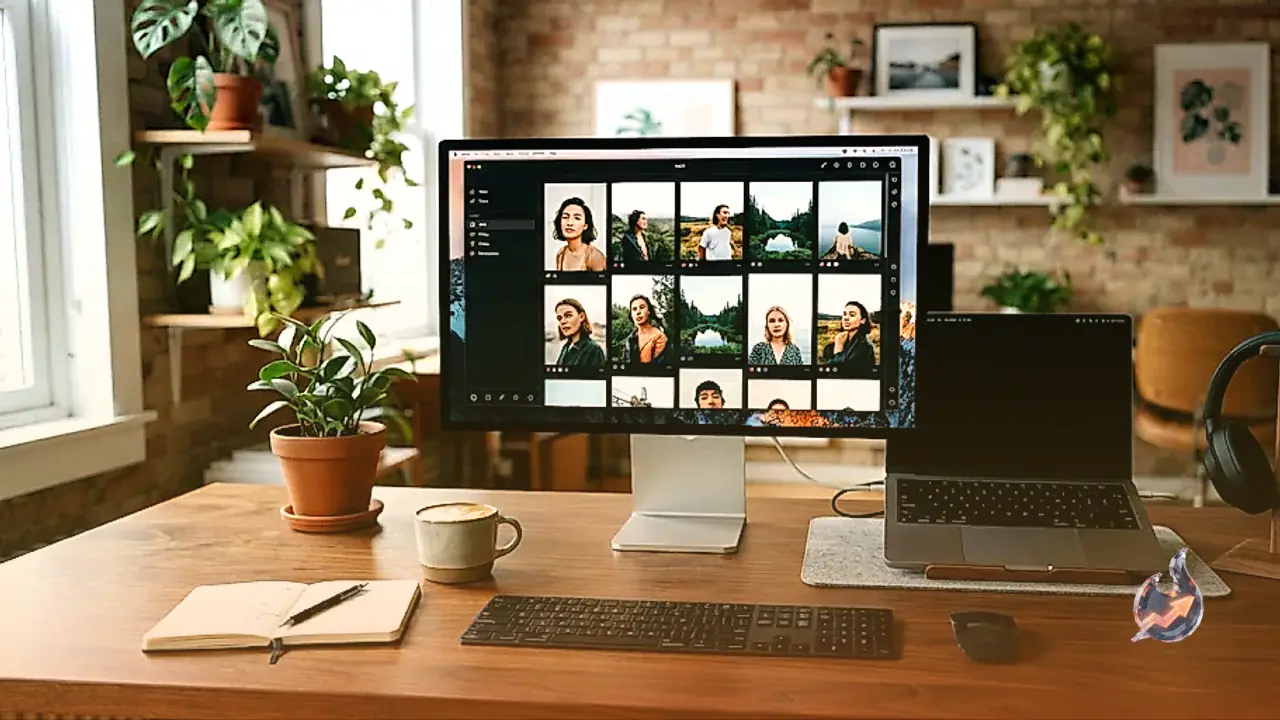

VSCO is making a major push to capture a larger share of the professional photography market by releasing its Studio Pro Desktop app for macOS. This launch follows the earlier mobile release of Studio Pro on iOS earlier this year and serves as a direct challenge to Adobe's dominant Lightroom software. The San Francisco-based company confirmed that while Windows and Android versions are not available yet, plans are in place to port the applications to those platforms in the future.
Supporting Formative Years and Professional Careers
The core philosophy behind the software is to nurture creators from their earliest stages and keep them engaged in the platform's ecosystem. VSCO CEO Eric Wittman explains that the company aims to provide photographers with continuous building blocks that support not only their personal creative journeys but also help them establish viable professional careers in the industry.
Expanding Portfolio for Full-Time Photographers
The new desktop client forms an integral part of VSCO's broader suite tailored for full-time professional photographers. Subscribers of VSCO One gain access to Studio Pro alongside an expansive library of presets and VSCO Workspace, a customer relationship management tool designed to handle bookings, client contracts, and scheduling. Additional services include VSCO Galleries for delivering final deliverables directly to clients and VSCO Sites, a dedicated portfolio builder for attracting new business. All of these tools and services have been rolled out over the past year.
Subscription Tiers and Pricing Options
Access to the comprehensive suite is priced at $500 annually. Alternatively, users can opt for a dedicated VSCO Pro membership specifically for the Studio Pro mobile and desktop applications, costing $5 per month or $60 per year. A free tier remains available for casual users, though certain advanced tools are restricted behind the paid subscription. Meanwhile, the original classic VSCO app continues to operate for everyday enthusiasts and hobbyists.
Performance, Batch Editing, and RAW Support
Engineered for high performance, the Studio Pro Desktop app includes over 200 built-in presets and native RAW editing capabilities supporting 20 distinct camera brands. A standout feature is batch editing, which allows photographers to process up to 500 images simultaneously, significantly accelerating workflows while keeping original files intact. Previews render in real time, and users can export their finalized work directly to VSCO Galleries or any preferred destination.
Missing Features and Future Roadmap
While early adopters note that the app loads RAW files rapidly, supports keyboard shortcuts, and offers an extensive array of presets, some features from competing software are notably absent. Tools such as Masking, Curves, and the Erase spot-removal function are currently marked as coming soon. Kyle Hale, senior product manager at VSCO, emphasizes that the goal is to remain intentionally simple yet powerful, delivering roughly 70 percent of core desktop editing needs upfront with the rest arriving via regular software updates.
Hale notes that while full feature parity with mature competitors like Lightroom is not expected immediately, the desktop app will contain the core meat of what professionals require from editing suites. The company also addresses the modern landscape of creative tools, distancing itself from the heavy reliance on generative AI seen across the industry.
Stance on Artificial Intelligence and User Privacy
While numerous tech giants actively integrate generative AI to replace traditional creative work or train models on user content, VSCO maintains a strict boundary. Although machine learning powers upcoming features like the Erase and retouch tools, the company explicitly prohibits third-party partners, including external model providers like Black Forest Labs, from training their models on user-submitted content.
Wittman asserts that while technology has its place, replacing human photographers is not part of the company's agenda. The leadership insists on championing human photographers first and foremost, ensuring that creator data remains protected and that the human element of image-making stays at the center of the platform.