


















Planning a foreign vacation is exciting, but for Indian travelers a cluster of hidden charges can quietly hollow out the budget before the trip even properly begins. Visa processing costs, currency exchange markups, and tax rules that most people never stop to consider can together drain thousands of rupees that could otherwise have been spent at the destination. Knowing where these traps lie, and how to sidestep them, is the first step toward a smarter trip.
Visa Costs Run Deeper Than the Embassy Fee
When budgeting for a visa, most travelers only account for the official embassy charge, but that is rarely the full picture. Service providers like VFS Global handle applications on behalf of many countries and layer their own processing fees on top. Before committing to any destination, check whether it offers a visa on arrival, which can cut both the paperwork and the cost significantly. For accurate fee information, always go directly to the official embassy or government website rather than relying on travel agents, who sometimes quote inflated figures.
Airport Exchange Desks Are a Costly Convenience
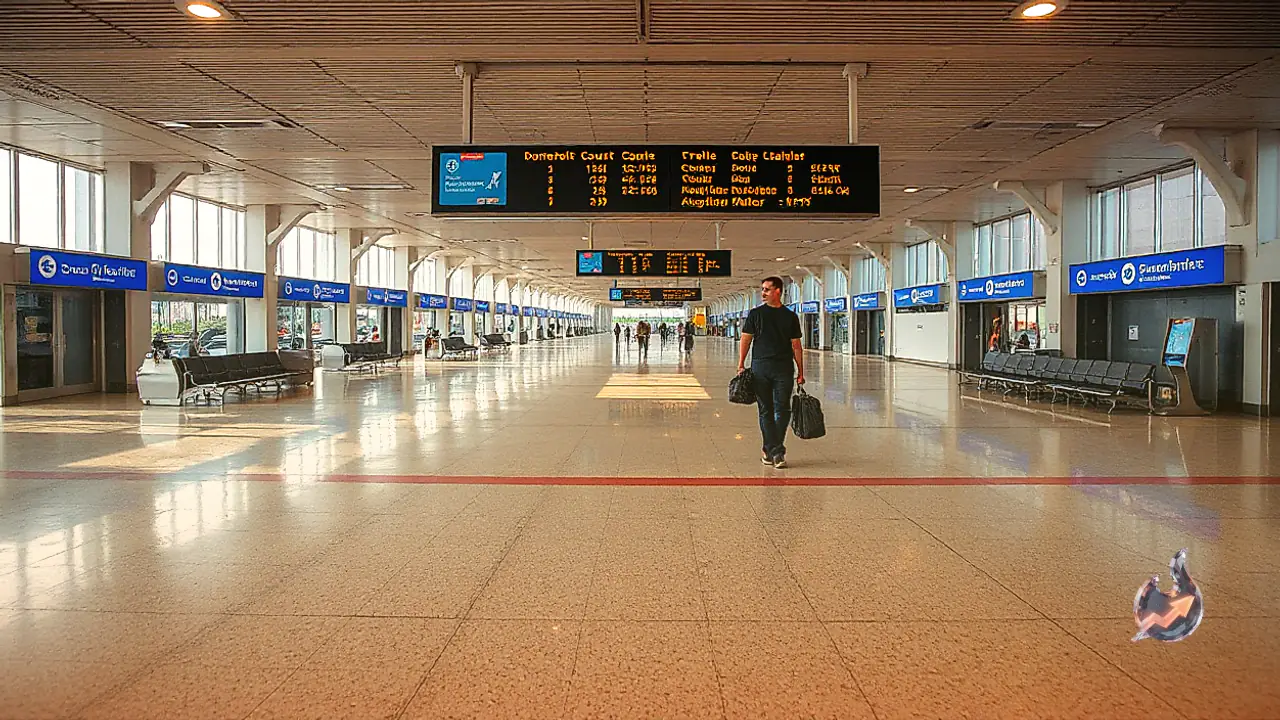
The currency-exchange counters at airports are easy to spot and quick to use, but that convenience carries a steep price. These desks routinely give rates that are ten to fifteen percent below the actual market rate, meaning a traveler surrenders a substantial portion of their budget the moment they convert rupees at the terminal. A far better option is to exchange money through your primary bank or a government-authorized local money changer, both of which typically offer rates much closer to the interbank benchmark. Sorting out your foreign currency needs at least a week before departure can save a noticeable sum.
A Forex Card Locks In Your Rate and Your Peace of Mind
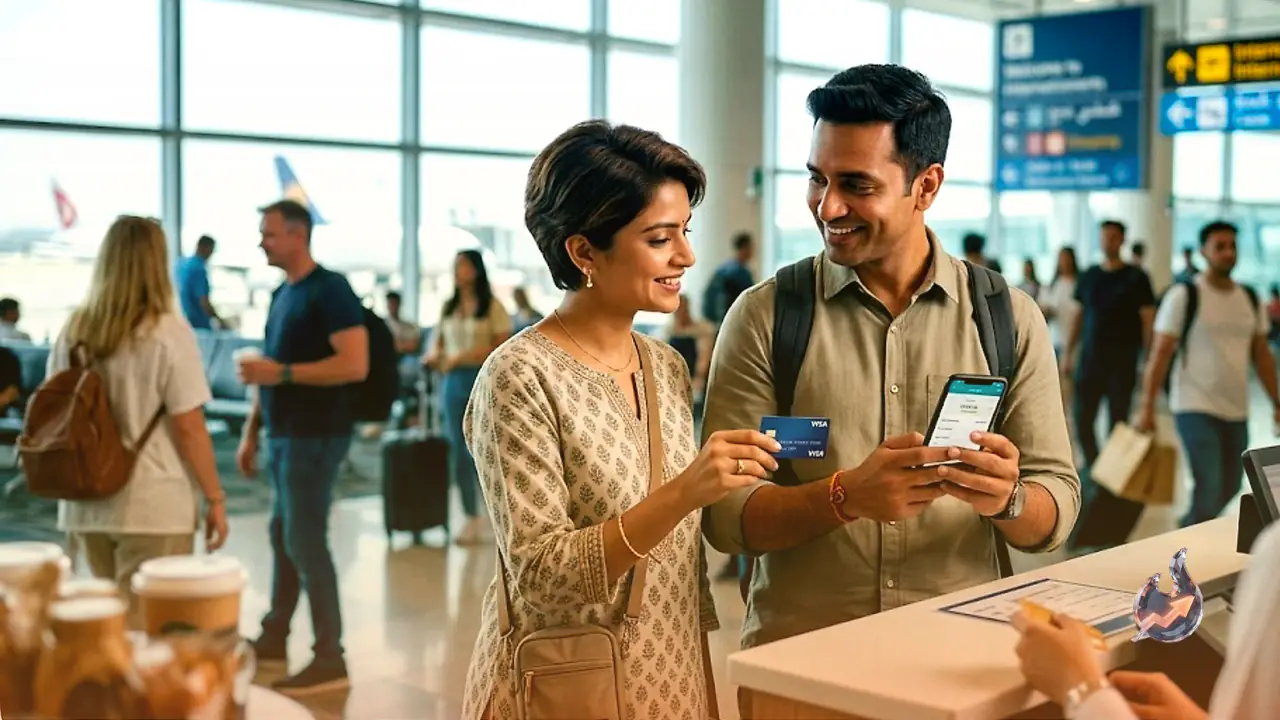
A prepaid forex card is one of the most practical financial tools an Indian traveler can carry abroad. When you load the card, the exchange rate is fixed at that day's level, which means any volatility in global currency markets after that point has no impact on your spending power. This predictability makes a forex card far preferable to carrying large amounts of physical cash. Keep a small reserve of local currency for situations where cards are not accepted, such as paying tips or buying food from street stalls.
The LRS and TCS Rules You Cannot Afford to Ignore
Under the Liberalised Remittance Scheme (LRS), Indian residents can send or spend up to 250,000 US dollars abroad in a single financial year. However, the government now levies Tax Collected at Source (TCS) on overseas travel spending beyond a threshold. Any foreign travel expenditure that exceeds seven lakh rupees in a year attracts a TCS charge of twenty percent. This amount is not permanently lost: it is fully refundable when you file your annual income tax return. Even so, the temporary impact on your cash flow is worth planning around well in advance.
Balance Your Payment Methods for Maximum Value
The most efficient approach to spending money abroad is to combine a loaded forex card with a modest reserve of physical cash. Avoid using a regular Indian credit card directly for overseas purchases, since most banks impose a foreign transaction fee on each payment, and these accumulate quickly over a full trip. By estimating likely expenses ahead of time and matching each type of spending to the right payment method, you can stretch every rupee considerably further. A little financial preparation before you leave pays off far more than any last-minute scramble at the airport exchange counter.