



















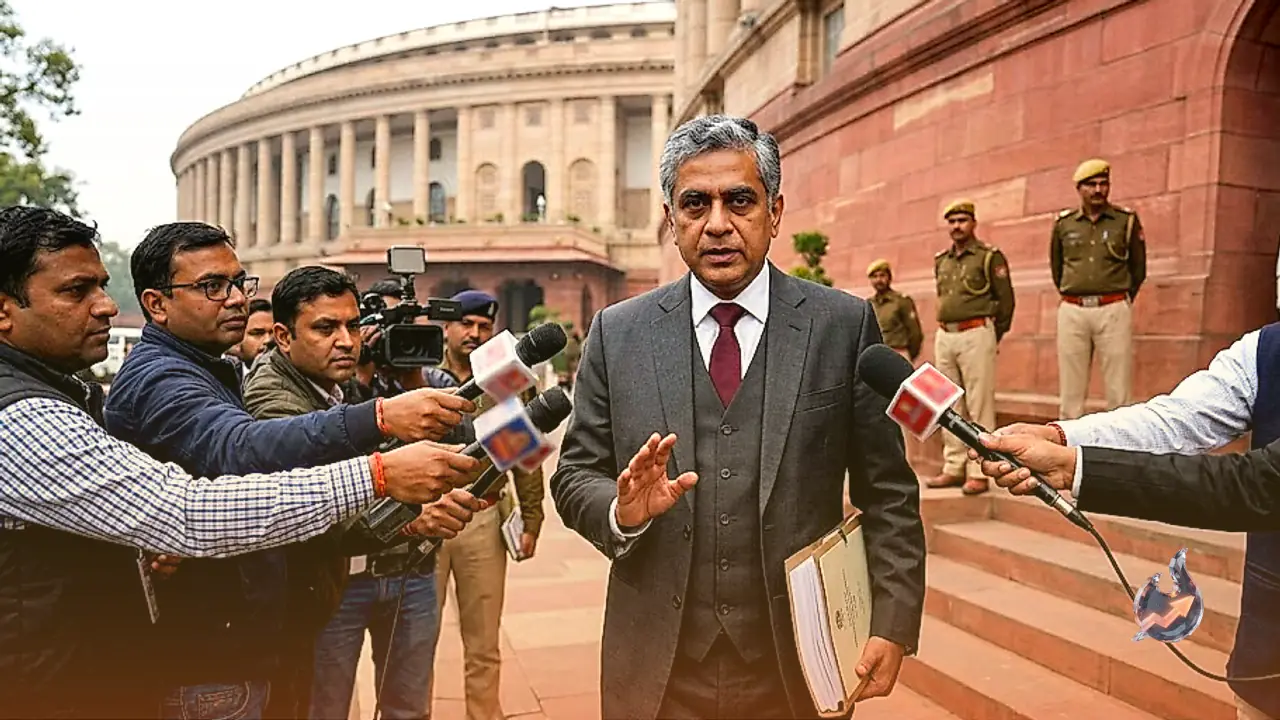

The parliamentary inquiry panel tasked with investigating the high-profile cash recovery case involving Allahabad High Court Judge Justice Yashwant Varma has submitted its comprehensive findings to both Houses of Parliament. Formed by Lok Sabha Speaker Om Birla under the Judges (Inquiry) Act, the three-member committee concluded that Justice Varma failed to provide any satisfactory or credible explanation regarding the origin, ownership, or presence of large stacks of partially burnt currency notes recovered from his government residence. As the adverse report reached Parliament, discussions intensified that the Union government might proceed with impeachment motions during the upcoming Winter Session. However, the case took a complex turn after Justice Varma tendered his resignation, sparking a fierce debate among top constitutional scholars over whether impeachment proceedings remain legally viable or if police authorities should immediately register a First Information Report (FIR).
Key Findings and Serious Allegations Detailed by the Panel
The three-member probe committee examined the entire sequence of events originating on the night of March 14, 2025, when a fire broke out at the judge’s official bungalow in New Delhi. Firefighters who arrived to extinguish the blaze uncovered numerous bundles of partially burnt cash stored inside a storeroom. In its report, the committee stated that charges of maintaining unaccounted cash, tampering with crucial evidence, and offering evasive or misleading responses during questioning stand fully established against Justice Varma. Beyond the judge's inability to establish the source or legitimate ownership of the money, the committee expressed grave concerns regarding the integrity of the post-incident investigation. The report specifically noted that the crime scene was not preserved in accordance with legal protocols, and the physical condition of the storeroom was altered prior to being officially sealed for forensic inspection. This failure to secure evidence raised serious doubts regarding missing or uncounted currency notes from the site.
Impeachment Proceedings Versus Resignation and Pension Rights
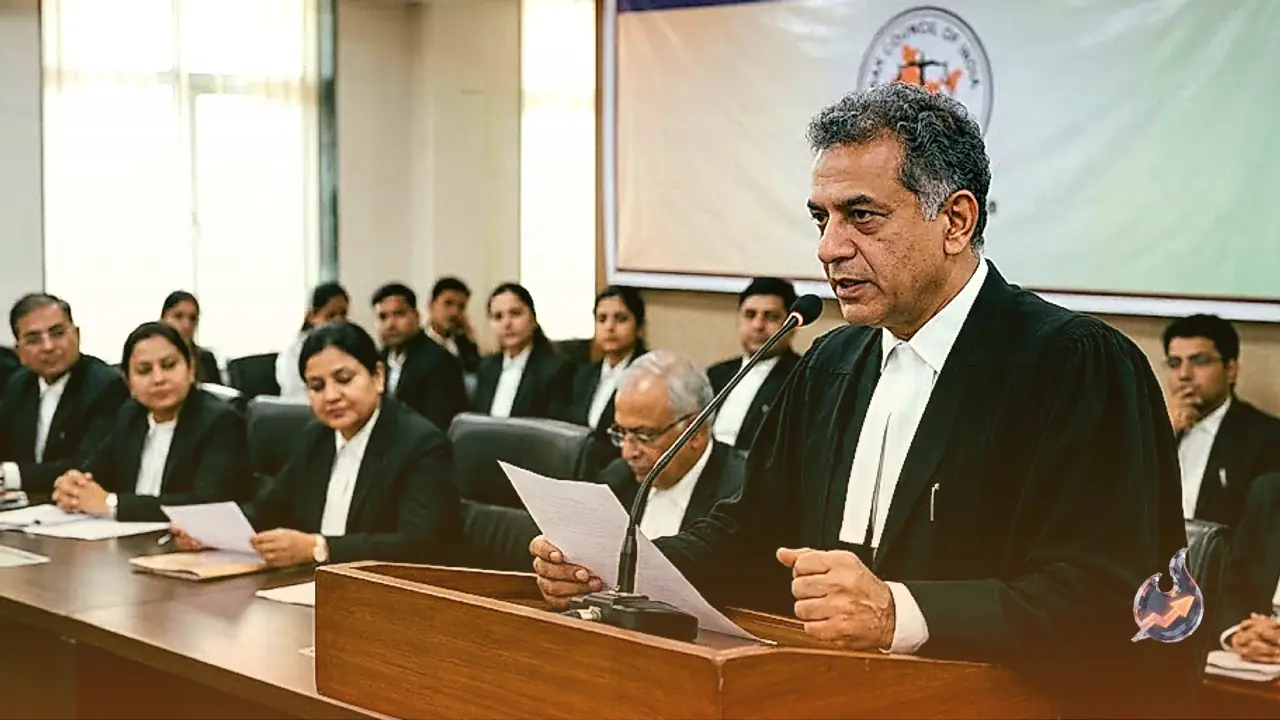
Following the presentation of the report in Parliament and the judge's resignation offer, leading legal minds have expressed contrasting interpretations of the statutory framework. Senior Advocate and constitutional scholar Rakesh Dwivedi stated that once a judge submits a resignation, impeachment motions become technically infructuous because Parliament cannot remove an individual who no longer holds judicial office. Dwivedi emphasized that the dismissal of previous petitions by the Supreme Court will not impede fresh executive action, asserting that a regular criminal FIR can certainly be registered based on the committee's findings. Conversely, Senior Advocate and Supreme Court Bar Association President Vikas Singh offered a different perspective, arguing that as long as the President of India has not officially accepted the resignation, Parliament retains full jurisdiction to proceed with impeachment. Vikas Singh highlighted a critical distinction: voluntary resignation allows a judge to retain standard pension and post-retirement benefits, whereas removal through formal parliamentary impeachment strips away all pensionary entitlements. He added that if the inquiry panel has recommended criminal prosecution, an FIR ought to be registered promptly.
Lapse of Judicial Immunity and Prospects of Criminal Investigation
Elaborating on the procedural aspects, Senior Advocate Dr. Rajeev Dhavan noted that a resignation effectively terminates parliamentary jurisdiction, rendering the question of impeachment moot. Dr. Dhavan explained that while Yashwant Varma served as an active judge, he enjoyed constitutional immunity, requiring prior sanction from the Chief Justice of India (CJI) before any law enforcement agency could register an FIR. However, with his resignation, that protective judicial shield ceases to exist. Consequently, parliamentary proceedings no longer stand as a bar to police action, and a comprehensive criminal investigation remains the only viable mechanism to ascertain the complete truth. Echoing these sentiments, Senior Advocate Anil Tiwari, former president of the Allahabad High Court Bar Association, remarked that judicial protection is designed to ensure independent decision-making on the bench, not to shield individuals stockpiling unaccounted money at their residences. Tiwari urged the Ministry of Law and Justice to initiate formal steps for registering an FIR. Senior Advocate Anil Soni similarly stated that since Varma is no longer a sitting judge, law enforcement agencies must investigate the matter like any standard criminal case.
Dissenting Legal Arguments on Evidence and Prosecution Standards
Presenting an alternative viewpoint, Senior Advocate Gopal Sankaranarayanan questioned the premise of automatically initiating criminal proceedings based solely on the panel's findings. Sankaranarayanan observed that the committee appeared to place the entire burden of proof onto Justice Varma to account for every asset found within his residential premises. He offered a broader observation, suggesting that if every prominent resident living in sprawling one-acre Lutyens Delhi bungalows were subjected to criminal prosecution whenever unexplained items were found on their property, hundreds of FIRs would need to be filed across the capital. Despite these differing interpretations, the ultimate decision now rests with the Union Government and the Law Ministry regarding whether to table formal impeachment proceedings in the Winter Session of Parliament or to instruct investigative agencies to launch a full-scale criminal probe into the cash recovery incident.