



















The 2026 Henley Passport Index has delivered encouraging news for millions of Indians planning to travel abroad. India's passport ranking has improved, a development that reflects the country's growing stature as a significant global economy. With this improvement comes expanded visa-free access to more destinations than at any previous point, delivering a meaningful boost to outbound tourism and the international mobility of Indian business professionals.
Diplomacy and Trade Agreements Driving Progress
The gains India has made in passport strength have not come by chance. Diplomatic engagement and bilateral trade agreements have served as the primary engines of this progress. India has successfully negotiated new Electronic Visa and visa-on-arrival arrangements with several countries, smoothing the path for frequent travelers, students, and corporate visitors who once had to navigate lengthy and complicated visa procedures. Staying informed about these new arrangements gives Indian passport holders a practical advantage when planning international trips.
How India, China and Pakistan Compare
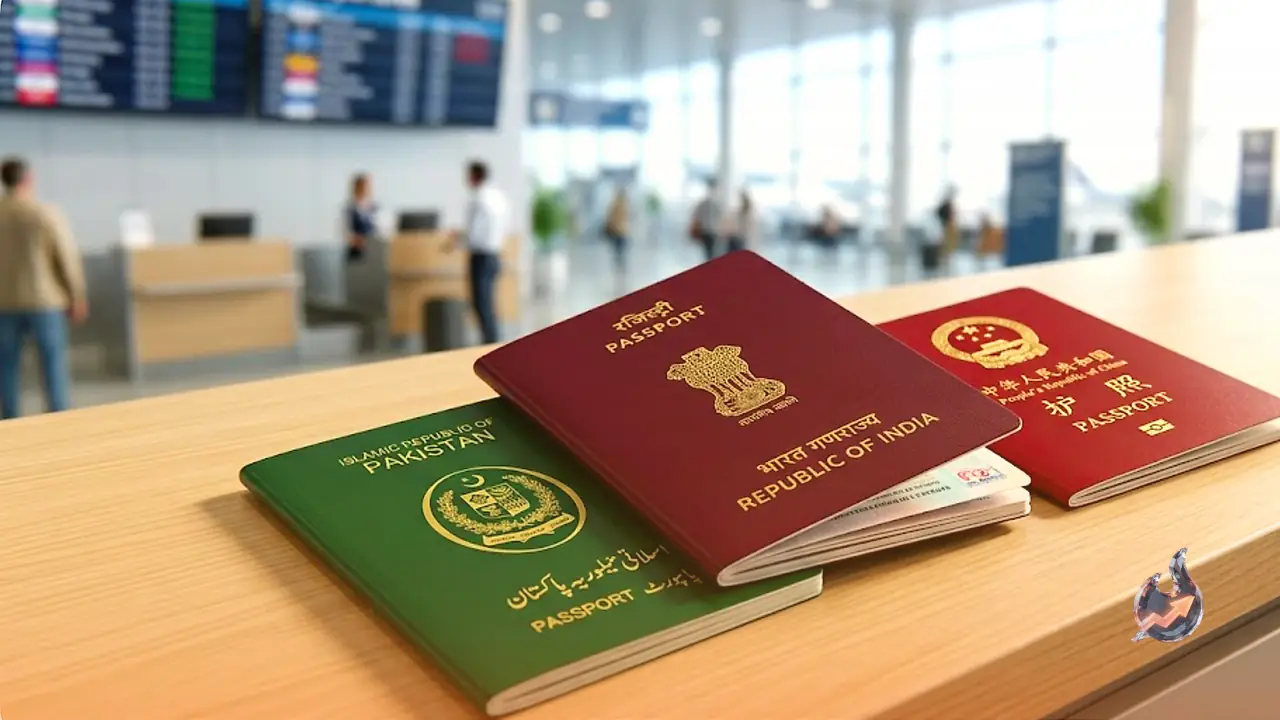
Among South Asian nations, the passport landscape is far from equal. China sits comfortably ahead of its southern neighbours, with its passport offering restriction-free entry into a wide range of European and Middle Eastern countries. India, while making steady progress, has not yet matched China's breadth of access. Pakistan, meanwhile, occupies a far more difficult position, hovering near the very bottom of the Henley global ranking. Internal instability has been the primary drag on Pakistan's passport strength. The gap between these three countries is a direct reflection of how a nation's economic health and political climate determine the freedom its citizens enjoy when crossing international borders.
What Builds Passport Power
A passport's global standing is ultimately built on political stability, economic transparency, and the trust a nation has cultivated with its international partners over time. India's focus on strengthening digital infrastructure and producing highly secure travel documents has paid real dividends in terms of global goodwill. More governments are responding by lowering entry barriers for Indian nationals. Investors increasingly view this rising mobility as evidence of a maturing national identity, one that is reliable and stable enough to be welcomed across borders with fewer restrictions.
Pakistan's Challenge, India's Opportunity
For Pakistan, meaningful progress on passport rankings will demand far more than minor adjustments. Substantial policy reforms and a sustained commitment to regional peace are prerequisites for any significant improvement in its global standing. As things stand, Pakistan's low ranking directly limits the international reach of its workforce and business community, reducing their ability to compete and connect in global markets.
India, by contrast, is actively pursuing mutual visa waiver agreements with a growing number of Group of Twenty member nations. Should these negotiations succeed, India could realistically break into the top fifty most powerful passports in the world, a milestone that would further validate its trajectory as a rising global force.
What Lies Ahead for Indian Passport Holders
The outlook for Indian passport holders is becoming progressively more optimistic. China currently holds the upper hand in the region, but India's consistent gains signal genuine and lasting momentum. For frequent travelers and occasional tourists alike, staying alert to new e-visa frameworks and bilateral agreements can translate into tangible benefits, including smoother visa applications and access to destinations that were previously harder to reach. Enhanced passport power is more than a number on an index; it is a practical gateway to professional networks, cultural experiences, and real global opportunities that are steadily becoming more accessible to ordinary Indian citizens.