






















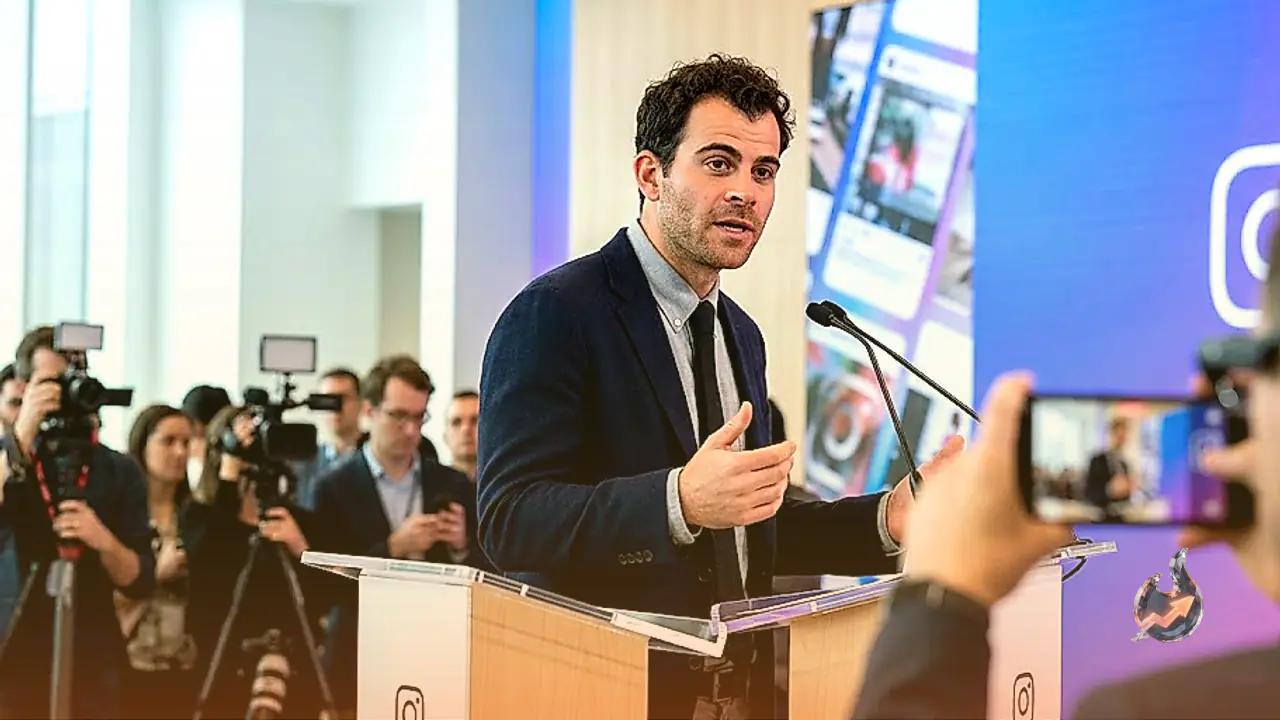

The rising popularity of camera-equipped smart glasses has sparked a fierce global debate regarding personal privacy and public safety in the digital age. In response to growing concerns over non-consensual filming, Instagram is taking a definitive stand. Instagram head Adam Mosseri recently announced that the social media platform is actively banning smart glasses videos where individuals are harassed or exploited for viral engagement. This policy shift targets content creators who secretly film unsuspecting people in public to generate views and online traffic, marking a significant change in how the company polices wearable technology footage.
Clamping Down on Exploitative Content and Account Removals
Hidden camera videos and street pranks are not entirely new phenomena on the internet, but the widespread availability of sleek, camera-integrated eyewear has led to a sharp increase in this content. Many creators use these devices to record interaction pranks, make retail workers uncomfortable, or film unsolicited pickup lines. Addressing this issue, Adam Mosseri clarified that the platform will not host videos designed to humiliate others. Adam Mosseri stated, "We don't want people to be surreptitiously taking videos of other people and harassing them and then posting them on our platform." He added that the company is actively utilizing multiple strategies to combat this behavior.
As part of this crackdown, reports have emerged that Meta recently terminated two major creator accounts that had accumulated over a million followers. These profiles were primarily focused on posting "pickup artist" style videos. Many of the women featured in these videos had no idea they were being recorded, and once the footage went live, they were subjected to intense online harassment and stalking. A spokesperson for Meta confirmed that these accounts were permanently deleted under the company's existing community standards regarding bullying and harassment.
Defining Harassment in the Age of Smart Eyewear
While Meta has strict guidelines against bullying and harassment, enforcing them in the context of real-world recordings remains highly complex. Meta's official policy states that they remove content intended to degrade, shame, or mock an individual, including severe sexualized commentary, claims about private activities, and targeted harassment. However, there is a substantial gray area in these regulations. For instance, videos depicting mild confrontations, awkward social experiments, or passive-aggressive behavior directed at strangers often do not technically cross the threshold of policy violations, even if the subjects of those videos feel deeply violated.
One of the biggest hurdles in managing this content is the limitation of automated detection systems. Automated AI tools cannot reliably determine the underlying intent or social context of a video. An AI system cannot easily distinguish a friendly, consensual joke from predatory street harassment. As a result, the burden of reporting and identifying violating videos falls heavily on the platform's users and the victims themselves. Unfortunately, many victims only discover that their faces and private moments have been broadcast to millions of viewers long after the content has already gone viral, making immediate remediation nearly impossible.
The Ethical Dilemmas and Hardware Modifications
The backlash against wearable camera tech is expanding rapidly, giving rise to counter-apps designed to detect smart glasses in public, vocal criticism from celebrities, and complete bans in certain establishments. To address these privacy concerns, Meta designed its smart glasses with a front-facing LED indicator light that illuminates when a video is being recorded or a photo is taken. However, this safety feature has been constantly targeted by bad actors looking for a way around the rules.
Users have engaged in a continuous game of cat-and-mouse with Meta, attempting to cover the LED light with paint, dark tape, or physical modifications. In response, Meta released a mandatory software update that disables the glasses' camera features entirely if the system detects that the recording light has been obstructed or tampered with. Despite these measures, hackers continue to seek alternative bypasses. Legally, the situation is equally complex, as recording people in public spaces is generally permitted under US law, leaving social media platforms as the primary gatekeepers of ethical boundaries in public recording.
Practical Tips to Spot Hidden Cameras in Smart Glasses
Detecting whether someone is wearing a modified or active pair of smart glasses can be extremely difficult, but there are several distinct physical and behavioral signs to watch out for
- The Hinge Rivets: While typical glasses have simple decorative metal pieces on the outer hinges, smart glasses like Meta Ray-Bans feature larger, circular rivets with a dark, glass-like center that serves as the camera lens.
- Frame Temple Thickness: To accommodate the battery, central processor, speakers, and touchpad, the temples (sides) of smart glasses are noticeably thicker and bulkier than those of traditional eyewear.
- Physical Gestures: Off-the-shelf smart glasses are usually activated by specific physical touch gestures, such as tapping or sliding a finger along the temple, or by audible voice prompts like "Hey Meta."
- Unnatural Head Movements: Because the built-in camera has a fixed field of view, users capturing video must physically point their entire face directly toward the subject, resulting in mechanical, deliberate head movements rather than natural eye shifting.
Despite these valid privacy concerns, it is crucial to recognize that the majority of smart glasses users wear them for legitimate, harmless activities. These include taking hands-free family photos, receiving directions, listening to audio, or replying to texts without pulling out a smartphone. Spotting a pair of smart glasses in public does not automatically imply malicious intent, but awareness of their features remains a key aspect of modern personal privacy.