
















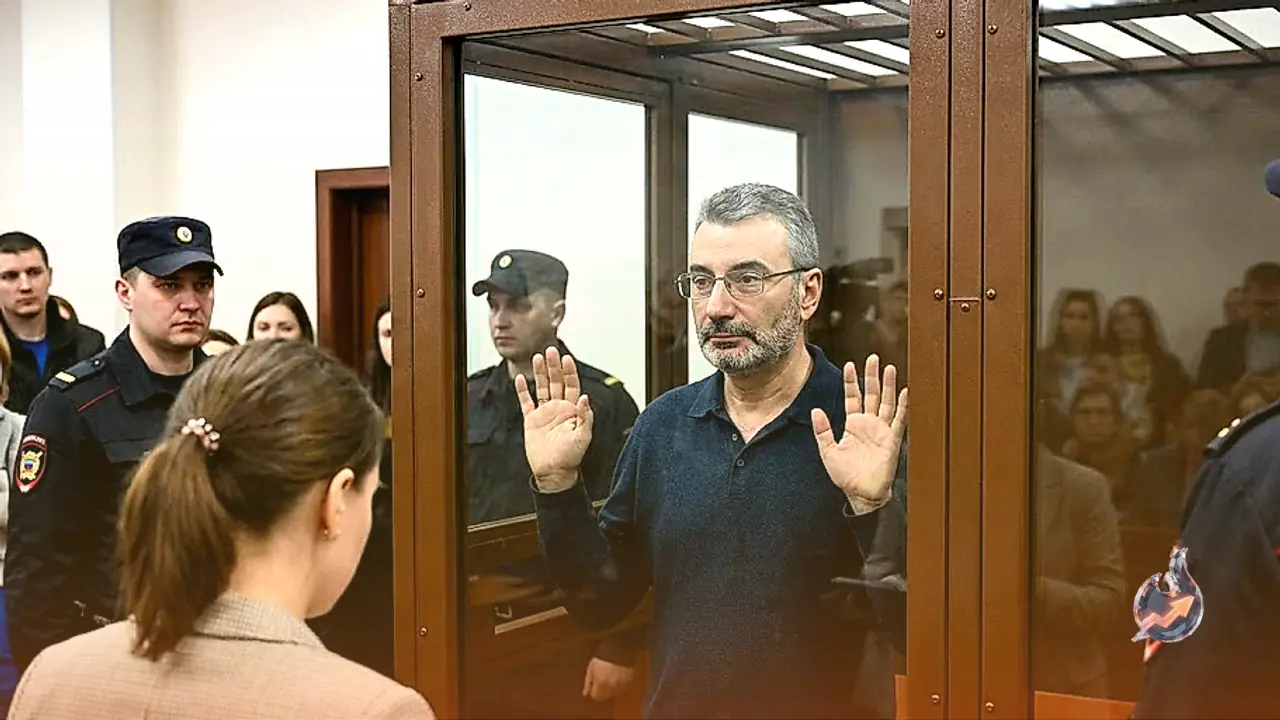

Prominent Russian political figure and outspoken opponent of the conflict, Lev Shlosberg, has been sentenced by a court in the city of Pskov to 11 years and one month in a penal colony. The verdict was handed down after authorities found him guilty of public actions aimed at discrediting the use of the Russian Federation's armed forces and spreading false information regarding them. State prosecutors had originally pressed for a harsher sentence of 12 years and one month behind bars, stemming directly from commentary published by the politician across social media networks.
A Politically Motivated Verdict
Following the delivery of the ruling, 63-year-old Lev Shlosberg firmly condemned the judgment, stating that its singular objective was to penalize an individual for expressing political, public, and civil stances. According to a transcript published by the Novaya Gazeta newspaper, Shlosberg dismissed the trial during his closing speech as a mere imitation of an investigation designed to achieve an unlawful goal. He repeatedly reiterated his call for an immediate ceasefire in the ongoing Russia-Ukraine war and the initiation of a political dialogue, though presiding judges interrupted his remarks multiple times throughout the proceedings.
Yabloko Party Faces Electoral Ban
Shlosberg serves as the deputy head of Yabloko, a liberal political party in Russia which has announced plans to appeal the sentence. The court ruling arrived mere moments before Russia's Supreme Court dismissed Yabloko's challenge against an administrative ban preventing the party from participating in the upcoming parliamentary elections scheduled for September. Yabloko stood out as the sole registered political entity within the country to oppose the full-scale military invasion of Ukraine launched back in 2022.
Wider Political Landscape and Censorship
The party was struck off upcoming election ballots earlier this month following accusations that it publicly supported the international LGBT movement, which Russia's Supreme Court has designated as an extremist organization. Additional legal challenges brought forward by the pro-Kremlin nationalist party Rodina further accused Yabloko of copyright infringement. Consequently, all 10 remaining political parties cleared to take part in the September 18-20 elections openly support the military campaign in Ukraine.
Electoral Standing and State Control
Recent public opinion figures released earlier this month by Russia's state-owned pollster VCIOM indicated that ratings for the ruling United Russia party slipped to 32.1%, marking the lowest recorded figure since May. Despite this dip, the Kremlin is widely perceived to retain ample resources to secure its desired electoral outcomes. Independent electoral watchdogs have simultaneously faced severe restrictions, depriving them of the capacity to effectively monitor or challenge the voting procedures.
Suppression of Opposition Dissent
Since the launch of the invasion, any remaining pockets of domestic political opposition directed against President Vladimir Putin, who has maintained power for nearly 27 years, have been systematically dismantled. Public expressions of dissent are heavily suppressed under wartime censorship legislation, carrying penalties that range from severe financial fines to lengthy prison terms. The Pskov court delivered its final verdict on Monday, formalizing another major blow to the country's dwindling dissident movement.