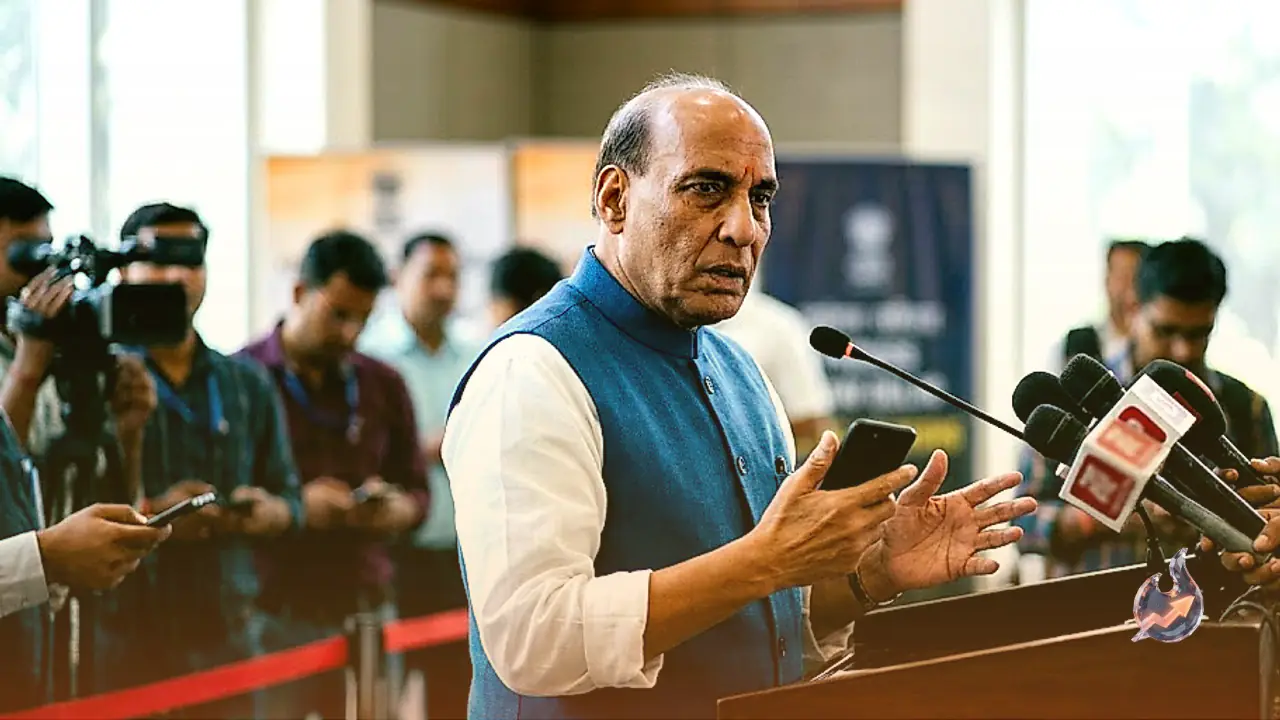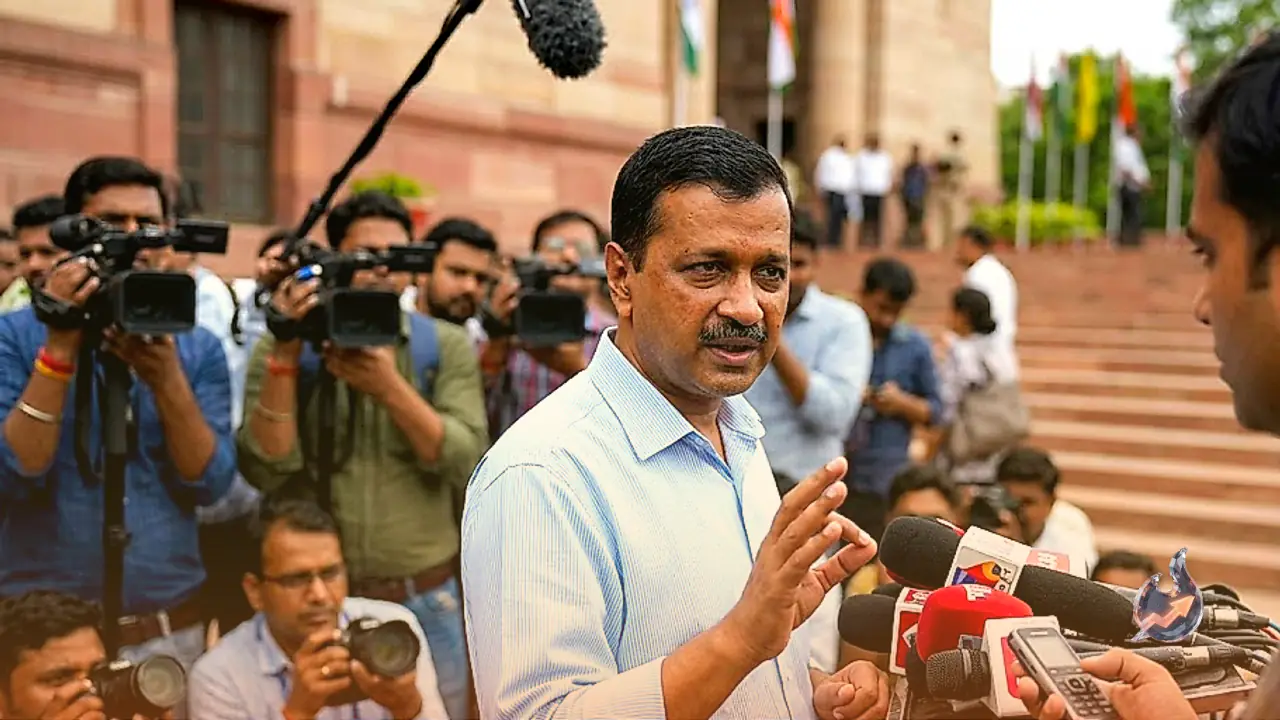


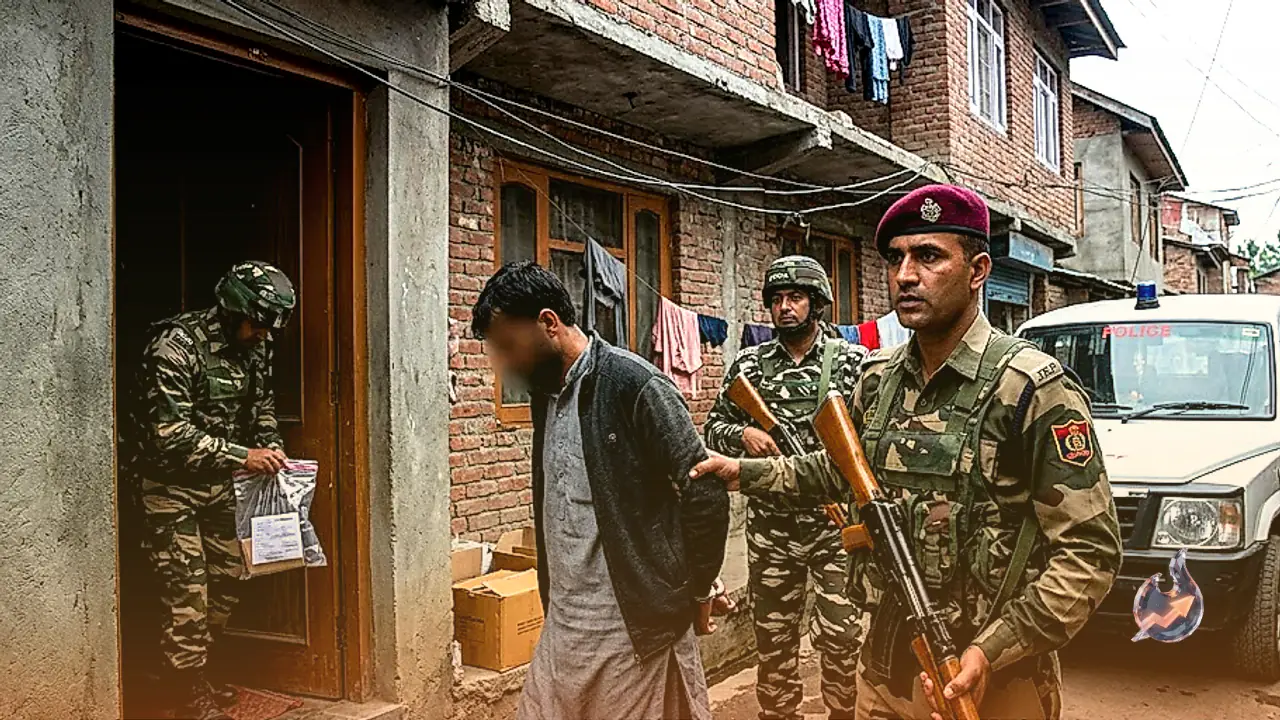


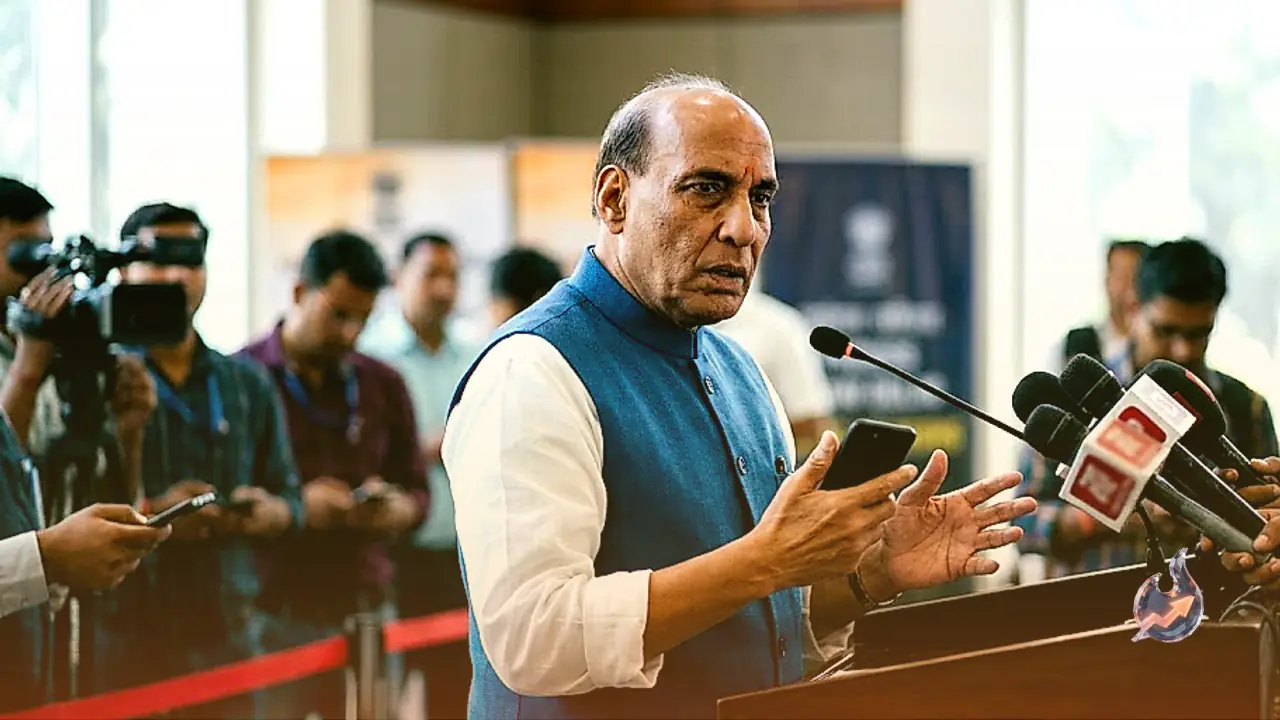
















Security forces in India have dismantled a Pakistan-linked terror network before Independence Day, arresting more than 200 operatives accused of planning subversive attacks across the country. Union Home Minister Amit Shah announced the crackdown on X, describing it as a major blow to a group he identified as the Shahzad Bhatti Network, an outfit that reportedly received backing from Pakistan's ISI.
How the crackdown unfolded
According to Shah's post, the Narendra Modi government moved against the network in a coordinated operation carried out simultaneously across the country. News reports put the total number of people detained at 253, spread across 14 states, making this one of the widest multi-state security sweeps against a single terror network in recent years. The scale of the operation, hitting cells in more than a dozen states at once, points to weeks of intelligence gathering before the arrests were carried out.
Who is Shahzad Bhatti
Reports describe Shahzad Bhatti as a Pakistan-based handler around whom the network was built, allegedly running operatives inside India on instructions linked to the ISI. Officials say the group had been working to organise subversive activity, including plans for attacks timed close to Independence Day, before the coordinated raids intercepted it.
What Amit Shah said
In his post, Shah said the Modi government had "destroyed" the network and thwarted its plans for subversive attacks by arresting more than 200 of its operatives, crediting Indian security forces for tearing the network apart through coordinated operations. He framed the crackdown as a pre-emptive strike carried out specifically ahead of the Independence Day period, when security agencies traditionally step up vigilance against possible threats.
Public reaction
Reactions to Shah's post were largely supportive, with many users crediting the security establishment for preventing a potential attack and calling the arrests proof of sustained work by intelligence agencies. A few users pressed for further details, including questions about which government agencies were involved in the operation, while some also used the moment to raise unrelated concerns about internal security issues in other parts of the country.