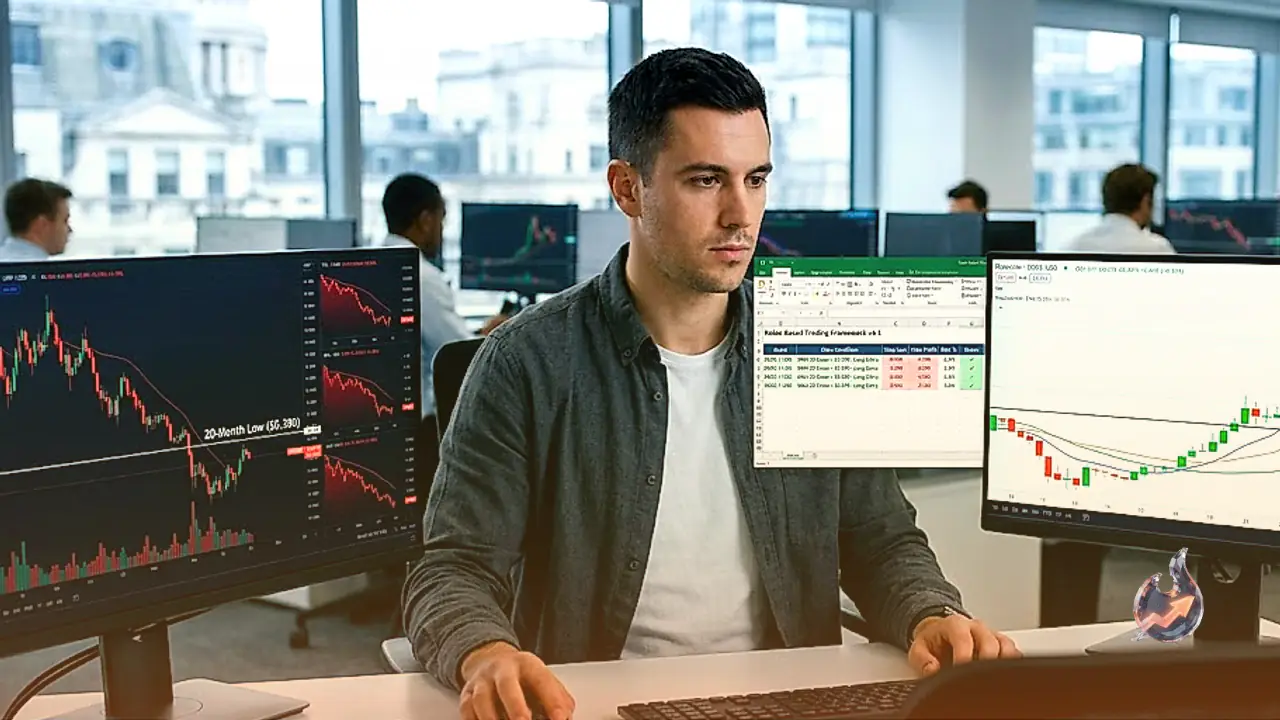























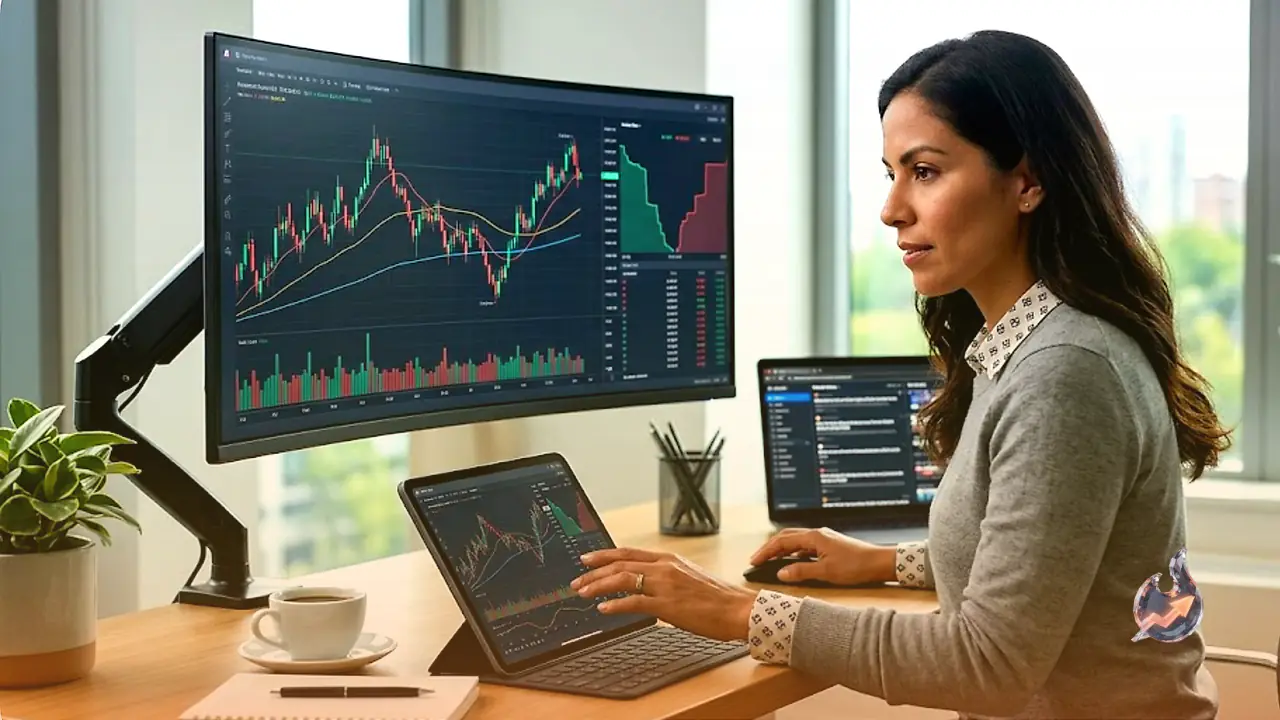

Swing trading occupies the middle ground that most market participants gravitate toward after spending sufficient time in the industry. The concept is straightforward: capture a meaningful move over several days or weeks, manage risk with precision, and avoid the trap of making trading a full-time monitoring chore. In 2026, more traders are leaning toward this approach for a variety of reasons, ranging from lifestyle considerations to the evolving structure of the markets themselves. A significant driver of this shift is the democratization of professional-grade tools. Technology that was once the exclusive domain of institutional trading desks is now integrated into retail platforms with intuitive user experiences and low-cost access, effectively removing traditional barriers to entry.
The Evolving Market Landscape
Markets continue to operate in the shadow of the last few years, but structural changes have made things easier. Fractional shares, for instance, have simplified position sizing for smaller accounts that were once distorted by awkward share pricing. Properly sizing a position, rather than rounding up into oversized exposure, fundamentally alters how risk is managed. Swing trading sits at the intersection of macro-driven market movement and improved operational plumbing. It thrives on active markets and regular catalysts, benefiting directly from faster execution speeds and broader data accessibility.
The Workflow of Swing Trades
A typical swing trade lasts from a few sessions to several weeks, where the position acts as the primary unit of work rather than the individual candle. Experienced traders use a disciplined workflow: building a watchlist, setting alerts, and reviewing daily or 4-hour charts in the evening before placing orders and stepping away. This process eliminates the emotional overtrading that frequently plagues those who stare at intraday ticks. The setups are familiar to those who follow price action, but the execution is far less demanding on one's daily schedule.
Prioritizing Risk Management and Flexibility
Experienced swing traders differentiate themselves through their risk management, most of which occurs before a trade is even initiated. They frequently skip setups that do not align with their criteria, such as ignoring earnings plays when the gap risk is excessive. Flexibility is a primary draw, as markets do not trend cleanly every day. Swing trading allows individuals to participate selectively during high-movement periods across sectors, crypto, FX, commodities, and indices, rather than forcing action during quiet sessions. This approach is sustainable for those with professional responsibilities, as analysis can be conducted after hours.
Rawad Baroud, CEO of ZeroGPT, observes that retail traders now face an information overload. He emphasizes that the real advantage lies in aggressive filtering, focusing solely on signals that force a change in the trade decision, rather than getting lost in market noise. For most, the struggle is not a lack of data, but a failure to focus on what matters.
Psychological Hurdles and Operational Discipline
Despite the advantages, swing trading still punishes bad habits quickly. Overnight gaps, geopolitical headlines, and unexpected macro data remain real risks. Psychological discipline is the largest barrier, as many traders begin to negotiate with themselves mid-trade. Gregor Emmian, Deputy Chief Digital Growth Officer at Rise, notes that breakdowns occur when pressure enters the system, leading people to abandon their predefined risk limits. Successful survival requires systematizing decisions: predefined position sizes, clear exit criteria, and strict maximum loss thresholds.
Modern Setups and Future Trends
Profitable swing trading is often less exciting than newcomers expect. It involves watching major currency pairs for breakout confirmations following high-impact inflation releases, or waiting for a sector ETF to retest a rising 50-day moving average on low volume. These trades respect the calendar and defined risk parameters. The future of this space likely revolves around workflow compression and the refinement of AI-assisted tools. While regulators are scrutinizing how platforms present risk and behavioral nudges, this focus may ultimately push retail platforms toward more transparent processes.
Live Market Data (June 29, 2026)
Bitcoin (BTC-USD) is currently trading at 59,963 USD, reflecting a 0.72% gain from its previous close. Technically, the asset remains in a long-term downtrend with an RSI of 33 and a death cross on moving averages. Recent whale activity includes the transfer of 1,349 BTC (81,232,738 USD) and 865 BTC (51,912,506 USD) to unknown wallets. Derivatives data shows a 24-hour volume of 192.98B USD and open interest of 111.61B USD. As always, market participation involves significant risk, and this information is provided for educational purposes, not as financial advice.