





















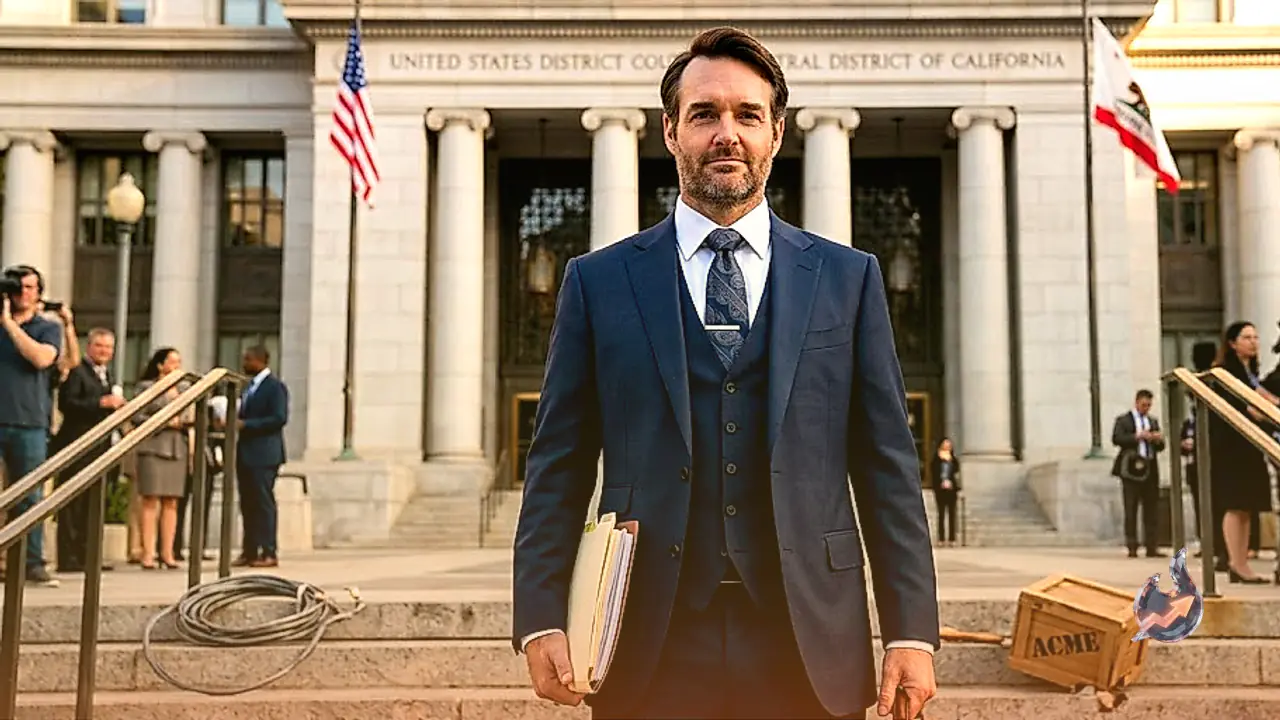

For animation lovers and nostalgia seekers, this Coyote vs. ACME review brings welcome news about one of the most troubled film projects in recent memory. After surviving an arduous journey through corporate shelving and near-deletion, Wile E. Coyote’s feature debut has finally reached audiences, proving itself to be an unadulterated triumph of chaotic comedy. Rather than feeling like a studio afterthought, the movie lands as a loving, high-energy homage to the classic Looney Tunes universe.
From Shelving Controversies to Big Screen Victory
The backstory of the film is almost as fraught with disaster as the misadventures of its main character. Warner Bros. originally scheduled the project for a 2023 theatrical debut before shelving it under confusing tax-related decisions. For a long stretch, it appeared the title was doomed to be permanently deleted for financial write-downs until it was ultimately rescued and acquired by a new distributor. Despite such an unpromising history, Wile E. Coyote emerges completely victorious. The final product is no mere runner-up; it is a relentless work of pure slapstick entertainment.
A Negligence Lawsuit and Mismatched Legal Duo
For more than 75 years, Wile E. Coyote has remained single-mindedly obsessed with capturing the elusive Road Runner. Realizing he cannot match the bird’s natural speed, he constantly relies on a bizarre array of ACME-branded inventions, including rocket-powered boots, massive magnets, and jet-propelled pogo sticks. Predictably, these fantastical devices malfunction in spectacular fashion, constantly exploding in his face or plummeting him down sheer canyon walls. In Coyote vs. Acme, following yet another catastrophic failure, the silent predator decides that ACME itself is legally negligent. He hires Kevin Avery, played by Will Forte, a cheap and lazy attorney who prefers quick settlements and is baffled by his client's unwavering persistence. While Coyote will stop at nothing, Kevin operates under the belief that one should only try until things get remotely challenging.
Roger Rabbit Influences and Looney Tunes Lore
Director Dave Green and screenwriter Samy Burch execute this absurd courtroom premise with clever precision, striking a balance very similar to the classic animation-live-action hybrid Who Framed Roger Rabbit. The world takes it for granted that cartoon figures reside alongside human beings, complete with flesh-and-blood villains whose schemes are just as outlandish, if slightly less reliant on falling anvils. Forte plays a grounded straight man against Coyote's silent frenzy, creating a classic mismatched buddy dynamic. Although the narrative formula gets slightly muddled during the final act, the overall charm remains completely intact.
Final Verdict: A Nostalgic Treat for Fans
For longtime fans of the Looney Tunes universe, the screen is filled with endless Easter eggs and deep-cut archival references. Casual viewers might occasionally wonder about specific historic nods, such as why Peter Lorre appears as a scientist or why an elderly hen sits on the jury. However, that deep reverence for the source material is precisely why the narrative resonates so strongly. As noted by the filmmakers, "The love for the Looney Tunes world is what makes this movie work so well." Clocking in at around 100 minutes, the film expertly matches the comedic timing of classic animated shorts from start to finish.