




















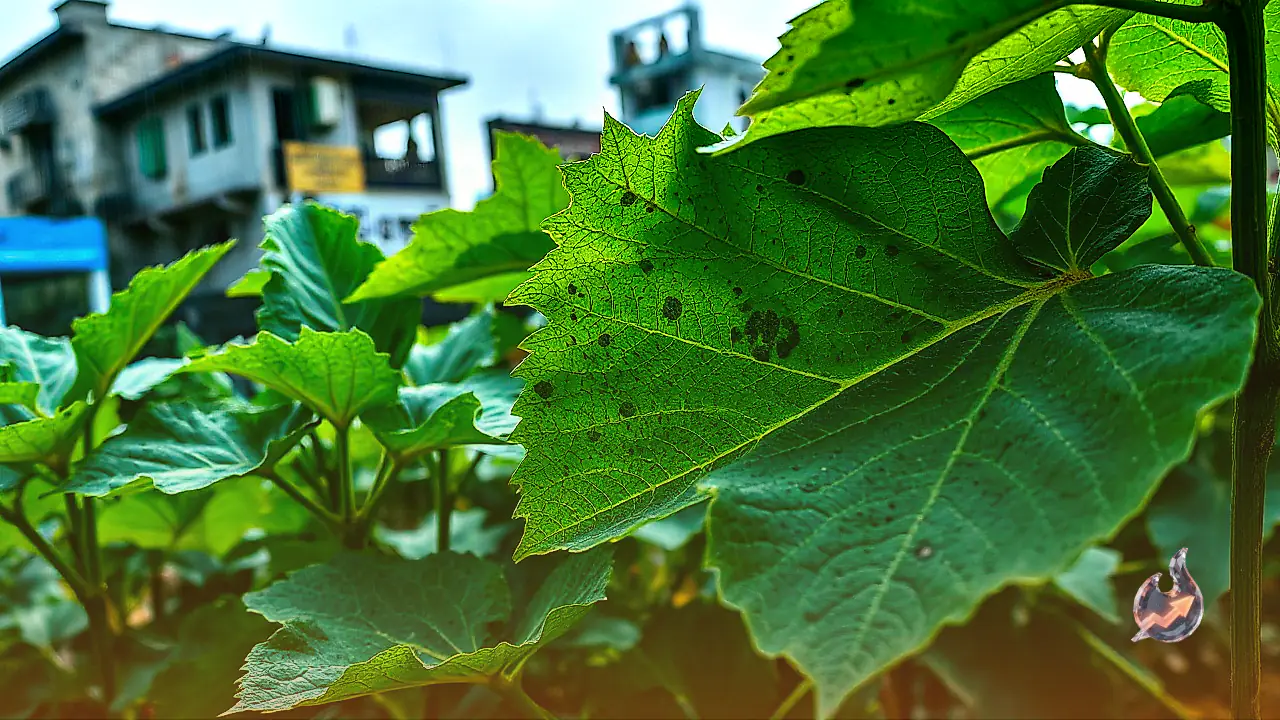

If bottle gourd, or lauki, plants start showing pale yellow or dark brown spots on their leaves during the monsoon, farmers should treat it as a warning sign rather than a minor blemish. According to horticulture expert Dr. Satyanarayan, this is often the first symptom of anthracnose, a fungal disease that spreads rapidly among gourd family crops in humid, rainy conditions. Left unchecked, it can hit both the yield and the quality of the crop.
Spotting the Early Signs
Dr. Satyanarayan explains that anthracnose usually begins quietly. Small, pale yellow or water soaked brown spots appear first on the leaves of the bottle gourd plant. If farmers miss this early stage, the infection intensifies and the spots turn dark brown or black. In several cases, the affected tissue dries out so much that it looks like a hole has formed in the leaf, and in severe infections entire leaves can scorch and wither. This is why a close inspection of leaves after every spell of rain is essential.
From Leaves to Vines and Fruit
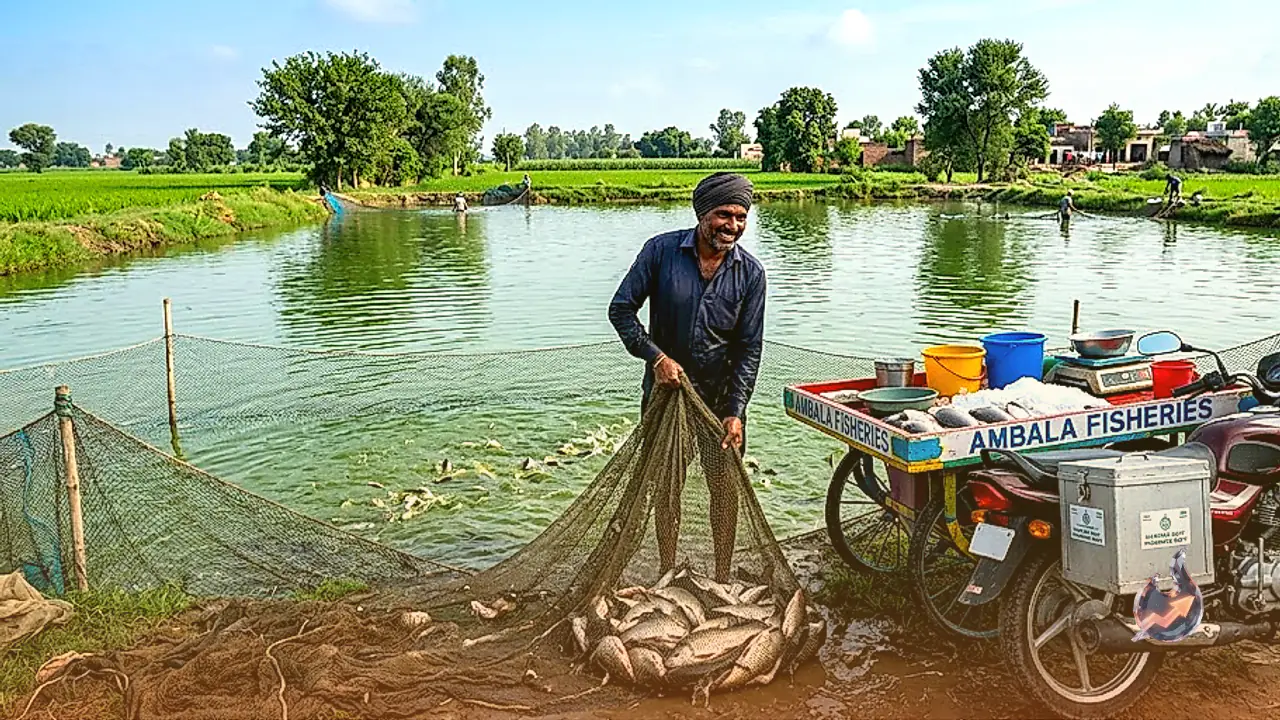
The disease does not stop at the leaves. As the infection progresses, dark spots also start appearing on the vine's stems and on the raw fruit itself. Once the fruit is affected, rot can set in on its surface, degrading its quality and reducing demand in the market. In areas like Ambala, where farmers supply vegetables to local mandis as well as nearby markets, any drop in produce quality directly hits their earnings. That is precisely why experts recommend getting the crop checked the moment early symptoms appear.
Extra Caution Urged for Farmers Around Ambala
Farmers growing bottle gourd in Ambala and the surrounding region need to stay particularly alert during the monsoon. Standing water in fields after rain, combined with persistently high humidity in the air, creates ideal conditions for fungal diseases to spread. Farmers are advised not to limit their checks to leaves alone but to regularly examine the vines and fruit as well. Any unusual spotting on a plant should not be ignored, since catching the disease at an early stage makes it far easier to stop it from spreading to the rest of the field.
Excess Moisture and Waterlogging Are the Root Cause
Dr. Satyanarayan points out that excess moisture in the field after rainfall, along with water droplets sitting on leaves for extended periods, sharply raises the risk of fungal infection. Farmers should never allow water to log in their fields, and should begin regular crop monitoring as soon as the rain stops. Fields with low lying patches, in particular, need proper drainage arrangements since water tends to collect there more easily. If symptoms do show up, treatment should only begin after consulting the local horticulture department or an agriculture expert.
Remove and Destroy Infected Leaves and Fruit
If a bottle gourd crop starts showing anthracnose symptoms, the recommendation is to pluck out the worst affected leaves and rotten fruit and destroy them away from the field. Leaving infected material lying in the field keeps the risk of the infection spreading to other plants alive. Farmers should also make sure unnecessary moisture does not accumulate around the vines. Regular inspection of the crop at set intervals is advised, and any fresh spots or rot should prompt an immediate call to an expert.
What to Spray and How
For controlling anthracnose, Thiophanate Methyl 70% WP can be used, mixed at a rate of 2 grams per litre of water and sprayed during clear weather. However, farmers are advised to use any fungicide strictly as per the recommendations of their local agriculture department and the instructions printed on the product label. If rain is expected, the timing of the spray should also be decided in consultation with an expert. The use of Thiophanate Methyl based products for anthracnose control is documented across several agricultural sources.
Where Farmers Can Seek Help
Dr. Satyanarayan's advice is to keep a continuous watch on the bottle gourd crop throughout the monsoon season. If brown or black spots on leaves, infection on stems, or rot in the fruit appear, farmers should contact an agriculture or horticulture expert without delay. Haryana's horticulture department has also set up a farmer helpline number, 1800-180-2021, for exactly this purpose. Timely identification and proper crop management can go a long way in containing the spread of this disease.