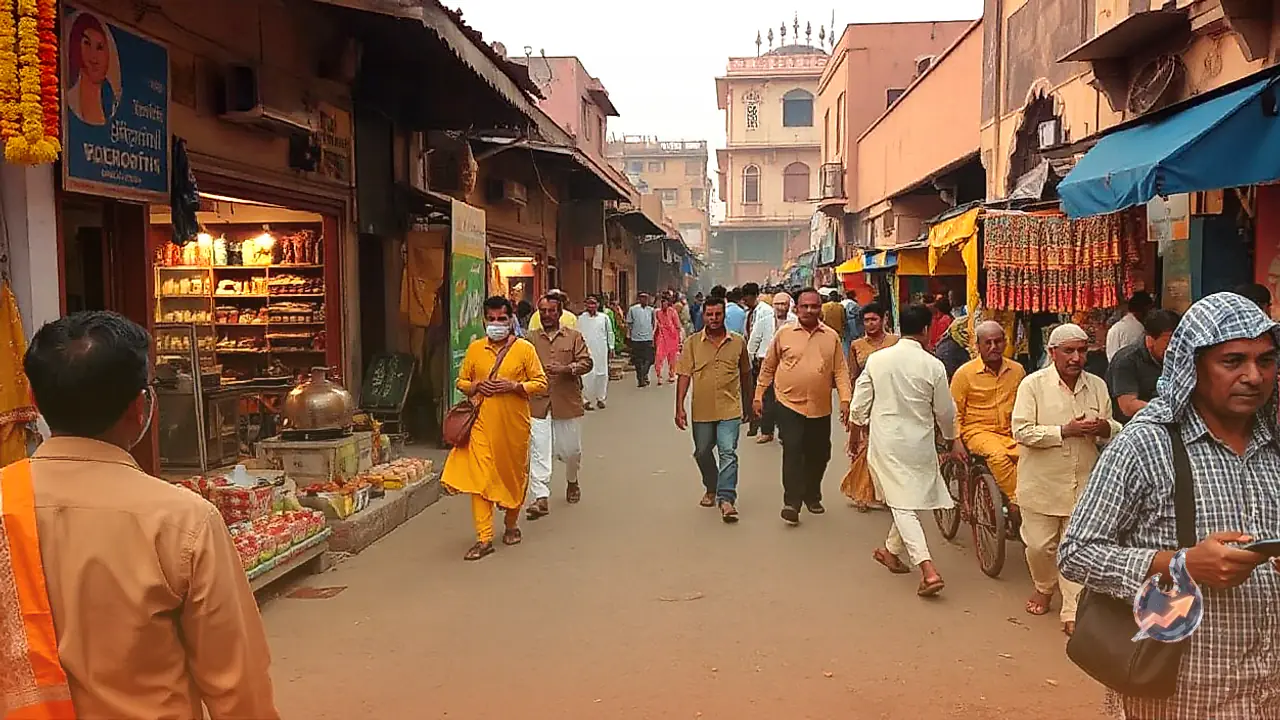





















The onset of winter and fluctuating daily temperatures are taking a visible toll on public health, with daytime warmth giving way to sharp chills at night and in the early morning. This transitional weather has led to a steep rise in cases of the common cold, persistent cough, fever, and respiratory ailments. In Bhilwara, the largest hospital has recorded a steady increase in patient intake, a trend mirrored across outpatient departments in rural health facilities. Because the human body requires time to adjust to sudden thermal changes, unseasonal lapses during the entry and retreat of winter historically leave people vulnerable to illness.
Elevated Risks for Children and Senior Citizens
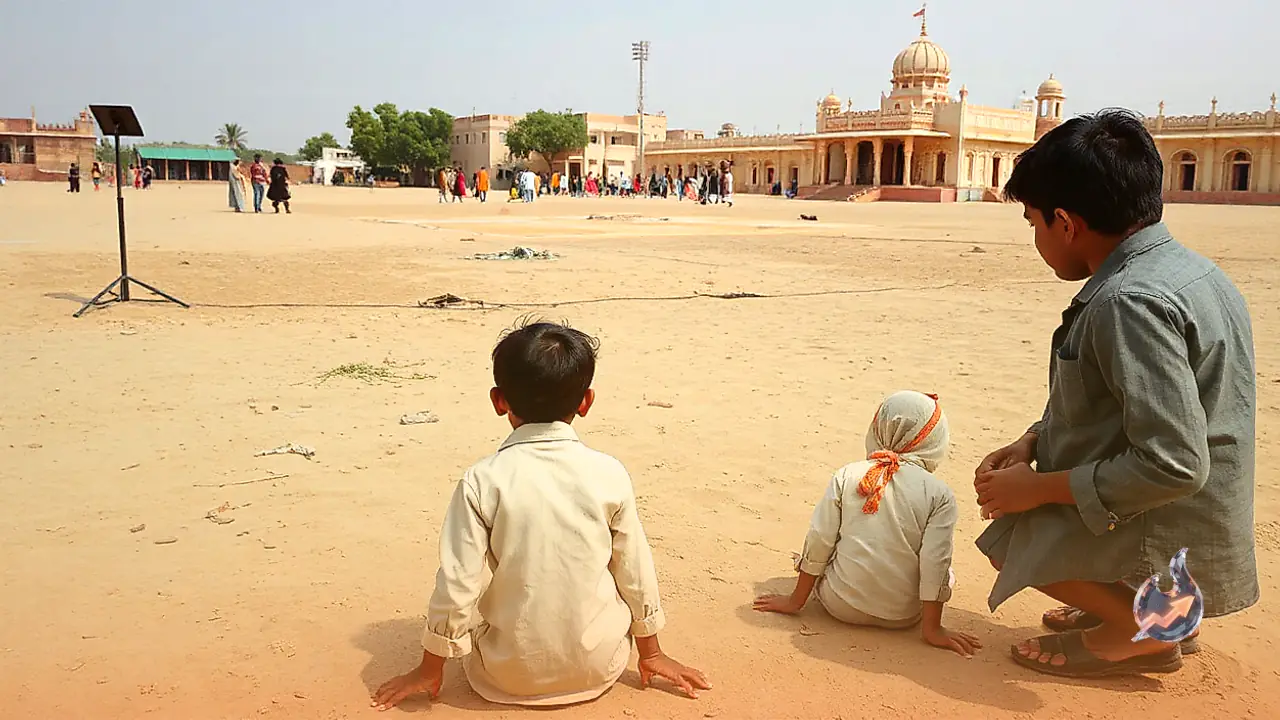
The health consequences of this transition fall most heavily on vulnerable demographics, particularly young children and senior citizens. Chief Medical and Health Officer Dr. Sanjeev Sharma explained that naturally weaker immune defenses make both age groups significantly more susceptible to seasonal viral and bacterial infections. As mercury levels dip sharply after sunset and before sunrise, risks of influenza-like conditions and chest congestion multiply. Consequently, families must exercise proactive care to safeguard members who lack strong immune resistance from sudden environmental stress.
Protection Against Direct Exposure and Cold Wind
Preventing seasonal infections largely depends on timely protective habits rather than reactive treatment. Medical guidance highlights the importance of wearing adequate warm clothing during the chilly hours of dawn and dusk to shield the chest and respiratory tract from direct drafts. Parents should avoid taking infants and small children outdoors in early morning or late evening air. Dr. Sanjeev Sharma warned that if a child develops persistent coughing, high fever, or noticeable respiratory distress, guardians must seek immediate professional medical intervention rather than waiting for symptoms to subside on their own.
Precautions and Hygiene Guidelines for the Elderly
Senior citizens must likewise adjust their outdoor routines to avoid exposure to harsh cold spells. Dr. Sharma advised elderly individuals to refrain from stepping outside during early morning walks or late night hours, recommending warm attire, adequate physical rest, and wholesome meals instead. Furthermore, hospital visitors, admitted patients, and their attendants have been urged to maintain strict hand hygiene at all times. Diligent sanitation inside healthcare facilities prevents opportunistic infections from spreading among recovering individuals whose systems are already under strain.
Dietary Adjustments, Warm Food, and Adequate Hydration
Dietary choices play an equally pivotal role in preserving internal body heat and bolstering natural immunity throughout changing weather conditions. Recommending seasonal nutritional choices, Dr. Sanjeev Sharma emphasized incorporating fresh green leafy vegetables, seasonal fruits, lentils, and nutrient-dense items into daily meals. Food should be consumed fresh and warm to support metabolic warmth, and individuals must make a habit of having a wholesome morning breakfast. Staying well-hydrated throughout the day remains critical despite reduced thirst in cool weather, while unhygienic street foods, stale meals, and chilled items should be completely avoided.