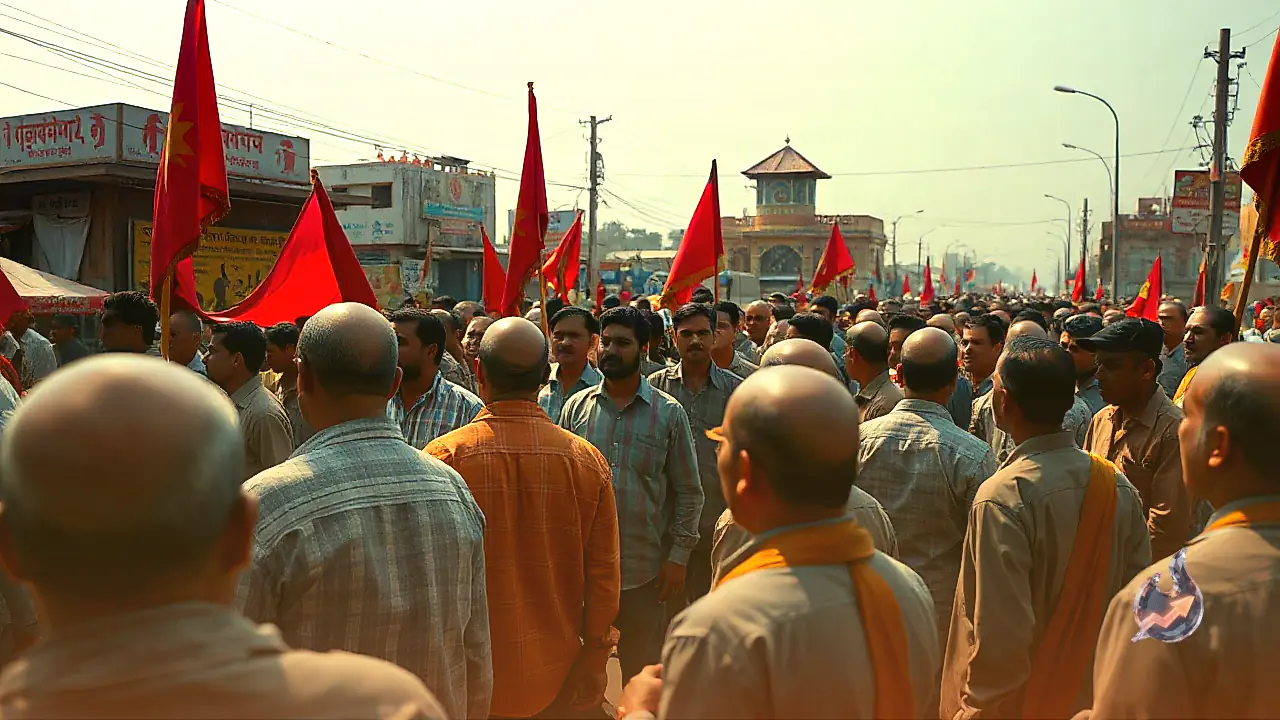





















The ongoing indefinite strike by municipal sanitation workers in Haryana entered its 29th day on Thursday, severely paralyzing civic waste management systems across urban centers statewide. Over 13,000 sanitation staff and sewermen have ceased work to press for their long-pending demands, leaving municipal areas buried under accumulating piles of garbage. Despite recurring rounds of negotiation initiated by Chief Minister Nayab Singh Saini’s Bharatiya Janata Party (BJP) administration, protest unions remain unyielding, insisting that work will not resume until formal government orders fulfilling their grievances are officially promulgated.
29 Days of Paralyzed Sanitation and Urban Chaos Across Haryana
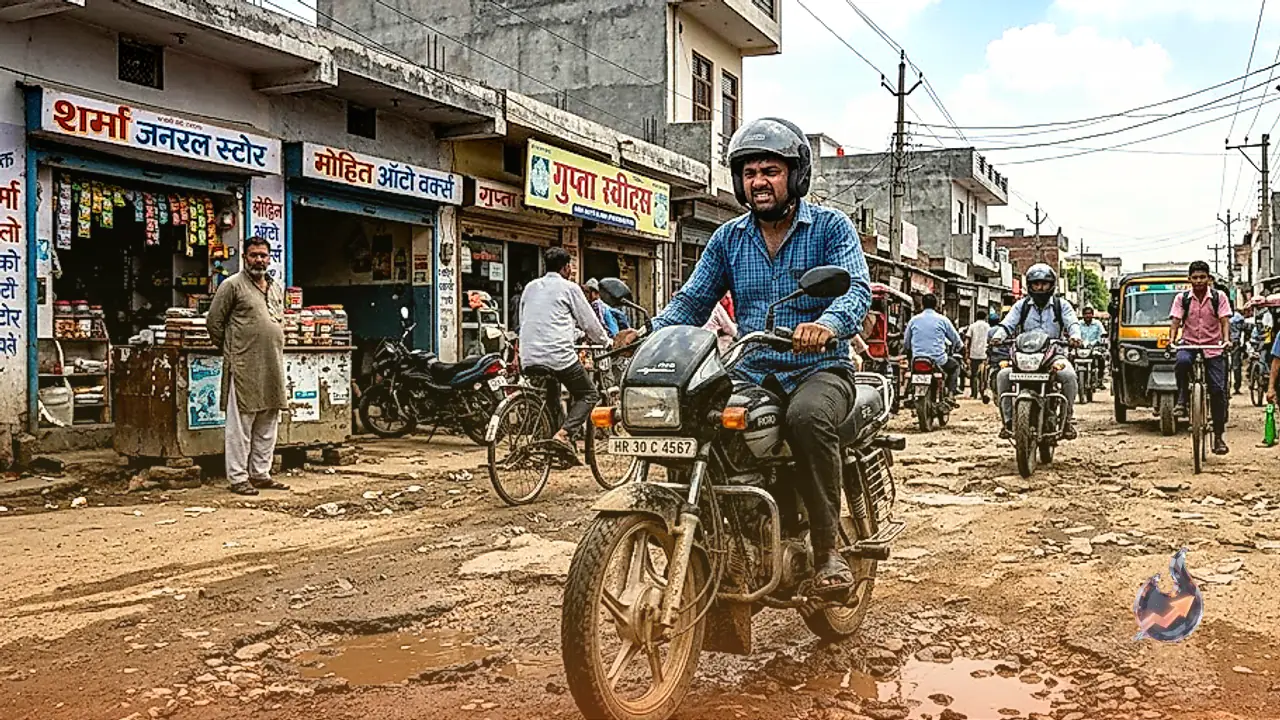
The protracted strike by roughly 13,000 sanitation workers and sewermen across urban local bodies in Haryana has led to a complete breakdown of public health and waste disposal infrastructure. As the agitation reached its 29th consecutive day on Thursday, major thoroughfares, commercial centers, vegetable markets, and residential neighborhoods across cities and towns saw mounting mounds of refuse. The accumulating garbage has generated foul odors and raised serious sanitation and public health concerns among urban residents. Sanitation worker unions stated that they had repeatedly submitted memorandums outlining their legitimate grievances over recent months and years, but the administration continuously ignored their appeals. Frustrated by this perceived apathy, workers felt compelled to resort to a state-wide strike. Throughout the 29-day period, tensions between striking workers and law enforcement have escalated in several districts, resulting in occasional confrontations. Police forces have filed criminal cases in multiple locations and detained or arrested several union representatives, yet the protesting personnel remain steadfast in their demands.
Escalation in Gohana: Garbage Trucks Deployed Under Police Escort, 22 Booked
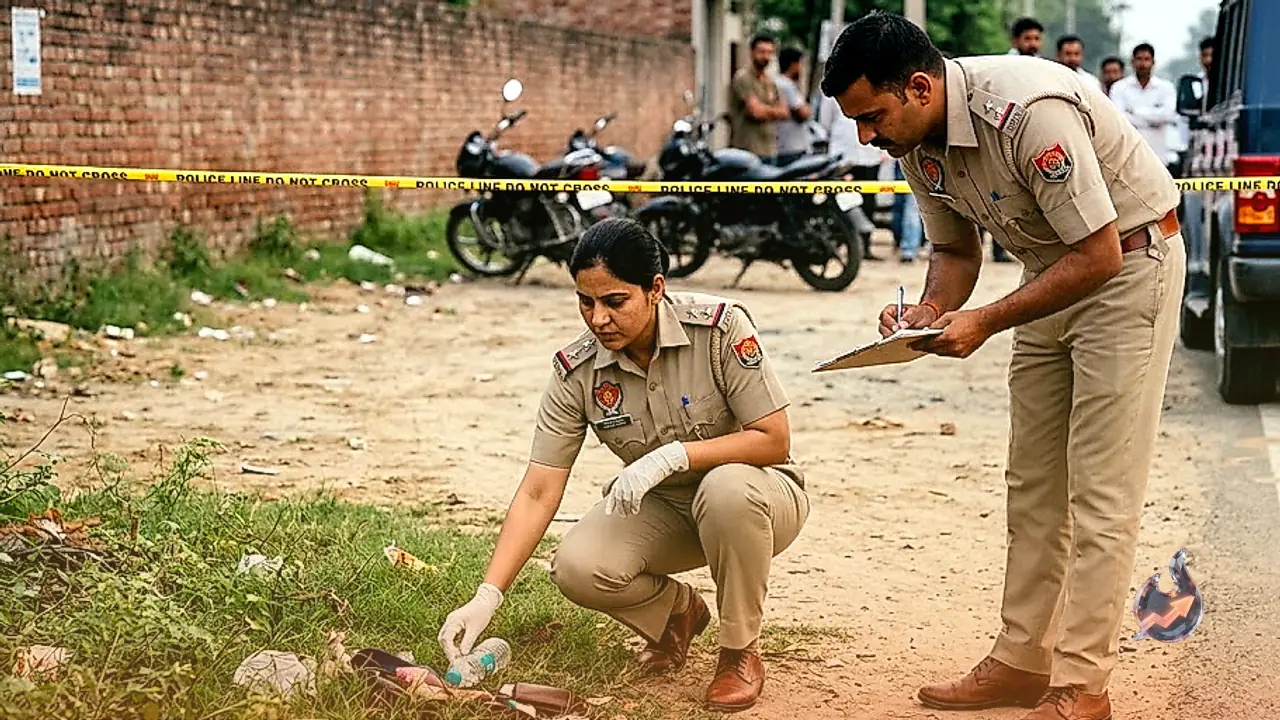
Tensions flared in Gohana, a town in Sonipat district, on Thursday as local municipal authorities attempted to resume basic sanitation operations. Municipal Council officials dispatched garbage collection vehicles into urban neighborhoods under heavy police guard. This action followed an incident on Wednesday night when striking workers allegedly deflated the tires of waste collection vehicles parked inside the Municipal Council office premises. On Thursday morning, municipal staff re-inflated the tires and successfully routed the vehicles under police protection to clean up key areas. Following an official complaint lodged by the Secretary of the Gohana Municipal Council, police registered criminal cases against 22 sanitation workers for obstructing public servants in the discharge of official duties and damaging municipal property. While municipal officials insisted that restoring public hygiene remains a top administrative priority and that legal action will be taken against anyone disrupting essential services, union leaders condemned the registration of cases, calling it an attempt to suppress a peaceful labor movement.
Wage Restructuring and Job Security Until Age 60: The Government's Offer
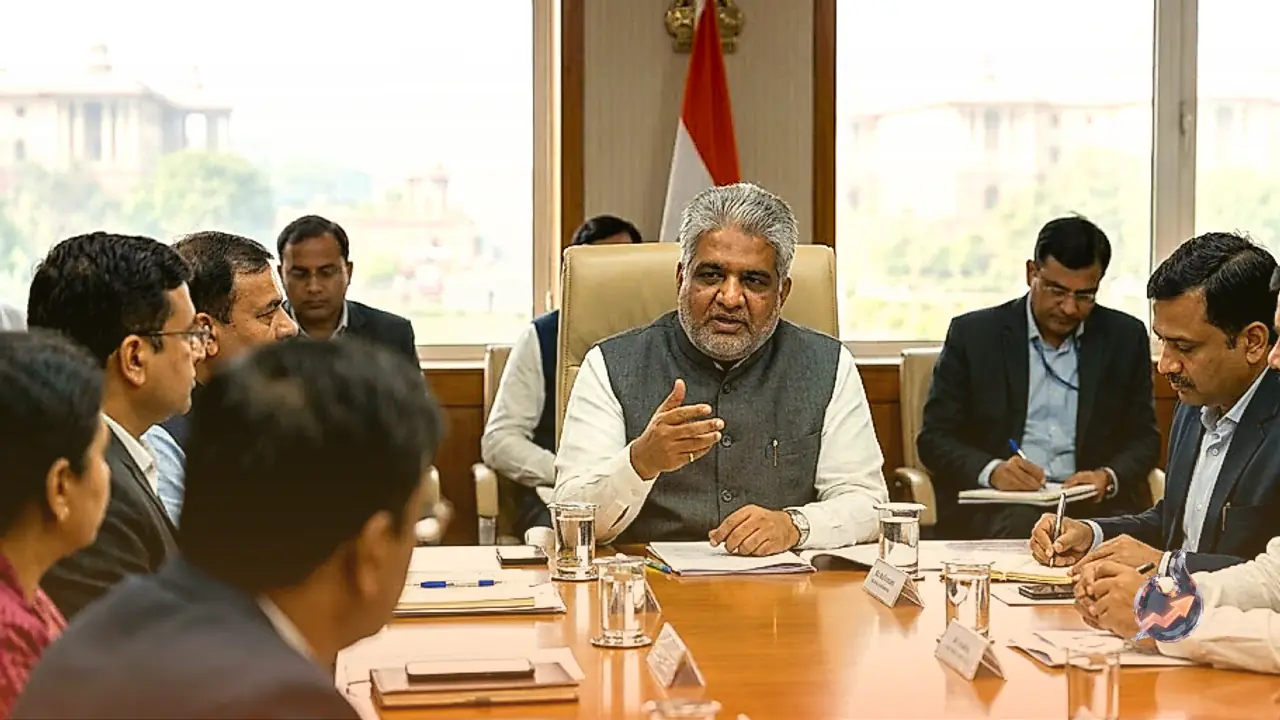
In an attempt to break the stalemate, the state government led by Chief Minister Nayab Singh Saini has extended a substantial administrative and financial reform package to the striking personnel. Urban Local Bodies Minister Vipul Goel and senior departmental officers have been designated to conduct dialogues with union representatives. Under the existing framework, sanitation workers on municipal rolls receive a total monthly salary of ₹20,590, consisting of a base salary of ₹19,000 and ₹1,590 in allowances. The government has offered to bring these workers under the ambit of the Haryana Contractual Employees (Security of Tenure) Act, 2024. Inclusion under this legislative framework would provide workers with statutory job security up to 60 years of age, matching benefits available to regular government employees.
Additionally, the government proposed a monthly risk allowance of ₹2,000 to acknowledge the hazards associated with sanitation work, along with an extra 15 percent salary boost over the baseline eligibility criteria under the 2024 Act. Under this proposed structure, sanitation staff with more than 10 years of service on municipal rolls would see their total monthly pay increase to ₹25,560. The package also incorporates standard statutory benefits provided under the 2024 Act, including annual Dearness Allowance (DA), Death-cum-Retirement Gratuity, Maternity Leave, and Haryana Kaushal Rozgar Nigam Limited (HKRNL) ex-gratia financial support and compassionate appointment benefits.
In an official statement shared via DPR Haryana (@DiprHaryana) on September 2, 2026, Urban Local Bodies Minister Vipul Goel emphasized that the government has already agreed to almost all primary demands and initiated formal resolution procedures. Appealing directly to the striking workers, Minister Goel urged them to return to work and help restore public cleanliness, affirming that the state government is fully committed to protecting their dignity and ensuring a secure future. However, union leaders maintain that workers will not end the strike based solely on verbal assurances until formal executive notifications implementing the demands are officially issued.
Opposition Offensive: Congress MLA Geeta Bhukkal Slams Administrative Failure
As the strike stretches into its fifth week, political confrontation over the crisis has intensified. The Opposition Congress launched a scathing attack on the Saini administration, accusing it of political apathy and administrative incompetence. Senior Congress leader and former minister Geeta Bhukkal stated that the BJP government has shown a total lack of seriousness in resolving the legitimate grievances of sanitation workers. She noted that the 29-day deadlock has transformed towns and cities across Haryana into virtual dumping grounds, causing immense hardship to citizens and exposing the public to severe health hazards. Congress leaders argued that instead of negotiating in good faith, the state government is merely stalling, leaving residents to deal with the fallout of failed governance.
Dalit Demographics and 17 Reserved Seats: The Political Calculus for the BJP
Beyond its immediate civic and public health ramifications, the ongoing strike carries significant political stakes for the ruling Bharatiya Janata Party. Demographically, the Dalit community represents approximately 20 percent of Haryana’s total population, with broader social estimates putting the overall Dalit footprint at over 30 percent. Politically, Dalit voters hold decisive sway in roughly 47 out of the state's 90 assembly constituencies, where their population exceeds 20 percent. Furthermore, 17 of Haryana’s 90 assembly seats are reserved for Scheduled Caste (SC) candidates.
A large segment of Haryana’s municipal sanitation workforce belongs to the Balmiki community, a major component of the Dalit demographic. A prolonged confrontation with 13,000 sanitation workers risks creating discontent among Dalit voters, which could have serious electoral ramifications for the ruling party. Recognizing the sensitive political dimensions of the dispute, Chief Minister Nayab Singh Saini’s administration is eager to avert further alienation and is actively pushing its ministerial negotiators to finalize a settlement.