



















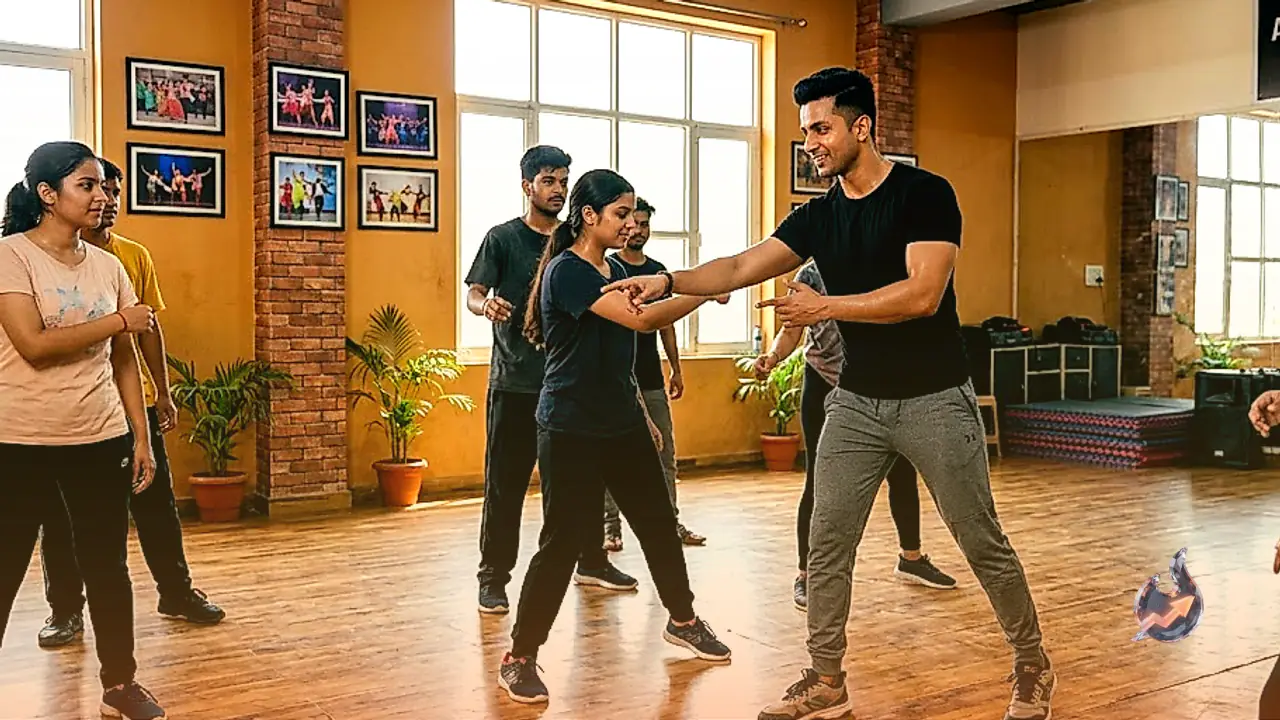

Parents in Ambala are increasingly encouraging their children to learn practical skills alongside academics that can pave the way for a stable career and livelihood in the future. At the same time, young job seekers are actively exploring options to launch independent small business ventures alongside conventional employment. Amidst these shifting trends, establishing a dance academy has emerged as a viable and low-investment business model. Operating such an enterprise is no longer confined to merely teaching children traditional routines; it opens up multiple revenue streams including fitness classes, school training programs, and booking assignments for weddings and family celebrations.
Rising Popularity of Diverse Dance Forms
The scope of dancing has expanded far beyond stage performances in contemporary times. Due to the surging popularity of Punjabi, Haryanvi, Bollywood, Rajasthani, and various international dance styles, people are enthusiastically turning towards dedicated training centers. Beyond children, an increasing number of women, men, and families preparing for festive occasions are enrolling in regular classes. Consequently, individuals gifted with artistic talent find this domain offering lucrative employment alongside an opportunity to build their own independent business enterprise.
Starting Early Builds a Strong Foundation
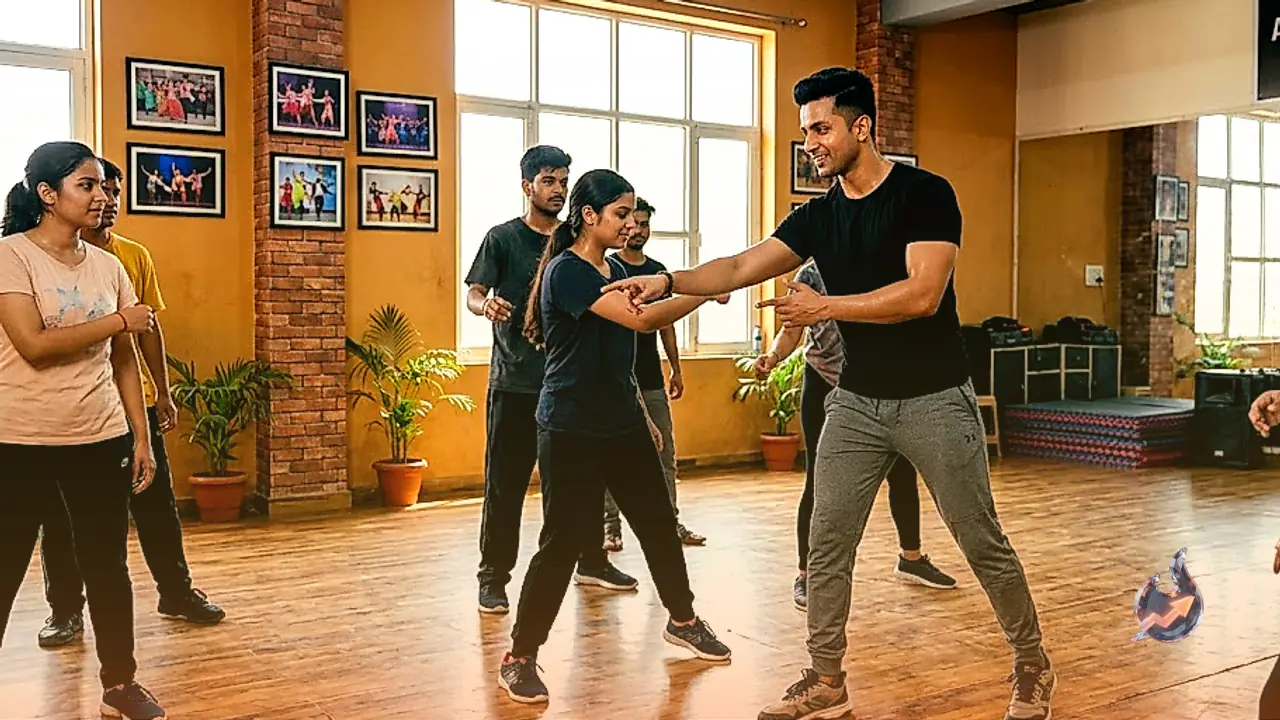
Sharing his insights on the subject, Ambala-based dance instructor Nishant Kashyap noted that formal training can generally begin for children around the age of three and a half years, while adults up to fifty or sixty years of age also actively participate to learn. He emphasized that early initiation helps children build a solid physical foundation, which proves immensely beneficial in future competitions and public performances.
Setting Up an Academy with Minimal Investment
Nishant Kashyap explained that launching a dance academy does not require massive financial backing. One can initiate operations by renting a hall for roughly five thousand rupees per month, investing five to ten thousand rupees in a sound system, and installing necessary rubber mats and wall mirrors according to requirement. According to him, a compact dance academy can be established with an initial expenditure ranging between twenty and twenty-five thousand rupees, though rent and other incidental costs may vary depending on the chosen location.
The Mathematics of Fee Collection and Batches
Explaining the earnings breakdown, he stated that if a beginner instructor attracts even twenty students in the initial batch, charging a monthly fee of fifteen hundred rupees per student, the total fee collection can reach approximately thirty thousand rupees. As enrollment numbers grow, additional batches can be introduced by scheduling one-hour morning and evening classes to run the academy efficiently. Separate batches can also be organized specifically for male and female participants.
Additional Income Through School Jobs and Event Bookings
Nishant pointed out that running an academy is not the sole revenue channel, as youngsters can also pursue employment as dance instructors in private schools alongside their regular studies. Such institutional roles often offer an initial monthly package ranging between twenty and twenty-five thousand rupees. Furthermore, choreography assignments for weddings and family celebrations have transformed into a highly profitable secondary income source, with fees ranging anywhere from five thousand rupees to several lakhs depending on the scale and nature of the event.
Personal Experience and Proven Track Record
Detailing his own professional journey, he shared that he successfully operates a private dance academy while simultaneously working as an instructor in a private school. Around twenty students attend his evening batch, and with a fee of fifteen hundred rupees per head, he generates a monthly income of twenty-five to thirty thousand rupees, while his school salary remains separate. Moreover, students trained under his guidance have clinched top prizes in prestigious competitions organized by Gita University and Bal Bhavan.
Blending Fitness with a Sustainable Career Path
According to Nishant Kashyap, learning dance significantly contributes to maintaining physical health and wellness due to the continuous physical activity involved. Nowadays, numerous individuals enroll in dance classes purely for fitness objectives. He asserted that in this particular field, raw talent, rigorous practice, and teaching capability outweigh formal academic degrees. Youngsters passionate about dance should look beyond a mere hobby and leverage professional training, institutional employment, and personal academies to build a sustainable commercial venture. He advised that setting up an academy in prominent sectors or near educational institutions will eventually attract local youth to your artistic talent, enabling you to earn healthy profits and establish a distinct professional reputation.