


















Unhealthy dietary habits and sedentary modern lifestyles have led to a sharp increase in metabolic conditions such as diabetes and elevated cholesterol levels. In their quest to manage these chronic ailments and flush internal toxins, individuals frequently experiment with yoga routines and varied diet regimens. Traditional Ayurvedic medicine offers a deeply structured bodily purification process known as Virechana, one of the five core therapies of Panchakarma. This clinical method involves administering specific doses of medicated clarified butter, or ghee, over a designated duration, followed by botanical formulations designed to eliminate deep-seated metabolic wastes. However, the entire procedure is strictly personalized and carried out solely under qualified medical supervision after examining the patient's digestive vitality.
The Growing Burden of Diabetes and Cardiovascular Risks in Madhya Pradesh
Recent health data from the National Family Health Survey underlines the expanding scale of metabolic disorders across Madhya Pradesh. The survey revealed that 18.3 percent of men and 14.5 percent of women in the state exhibit elevated blood sugar levels and depend on pharmaceutical drugs for daily management. In Khargone district alone, thousands of residents live with erratic glucose readings, relying on routine oral medications to prevent dangerous fluctuations in their blood sugar.
Medical authorities point out that when diabetes coexists with high cholesterol, systemic health hazards multiply rapidly. Elevated blood lipids combined with high blood sugar dramatically increase the probability of cardiovascular disease, heart attacks, and ischemic brain strokes. Consequently, simultaneously moderating both parameters becomes crucial. Ayurvedic practitioners explain that the specialized detoxification achieved through Virechana therapy can assist in balancing both glucose and cholesterol markers within a structured clinical window by leveraging the therapeutic application of ghee.
Initial Diagnostic Evaluation and Priming the Digestive Fire
Khargone-based Ayurveda specialist Dr. Santosh Maurya (MD) explains that Virechana serves as a classical Panchakarma therapy focused on comprehensive systemic cleansing. Before initiating the therapy, physicians conduct a thorough medical evaluation of the patient's constitutional strength. Individuals presenting with sluggish digestion or chronic constipation undergo preliminary assessments to identify underlying digestive impairment. In such cases, carminative and digestive medicines are prescribed first to strengthen the digestive fire, ensuring the gastrointestinal tract is fully primed for the intense therapeutic phases that follow.
Internal Oleation Phase: Administering Ghee for 5 to 7 Days
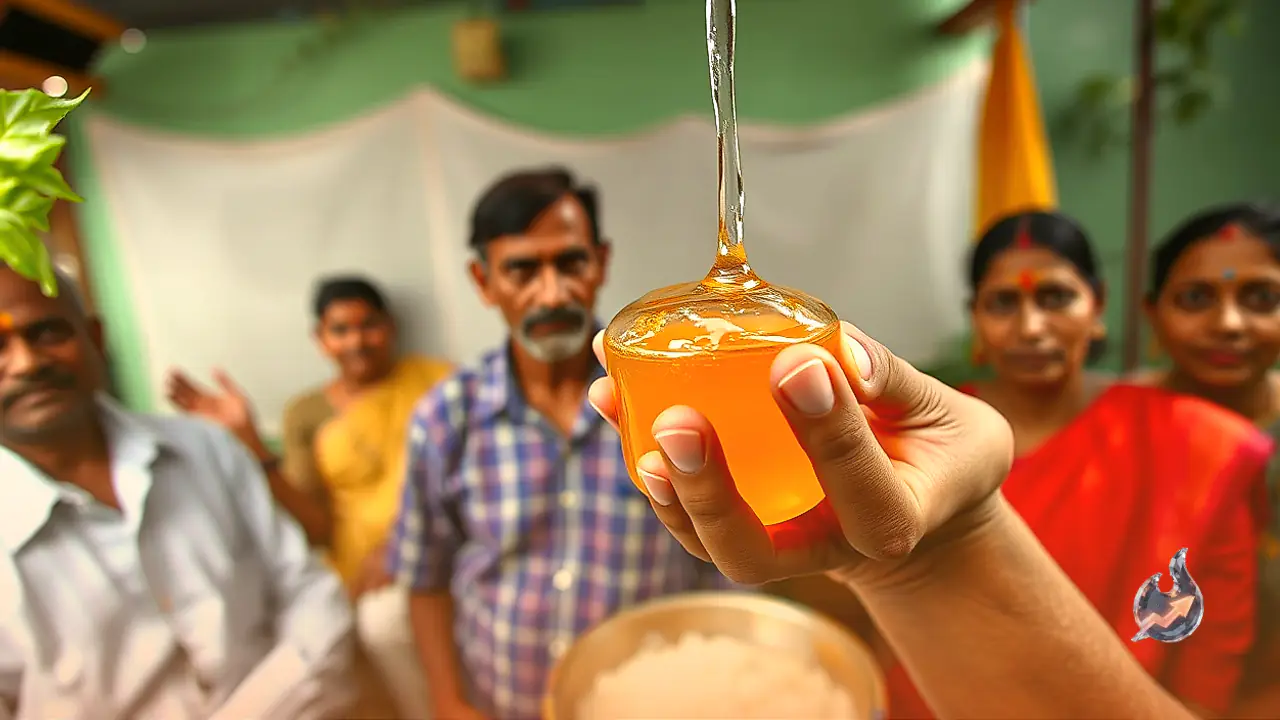
The core clinical protocol begins with a precise calculation of the patient's metabolic capacity and digestive strength. Under the internal oleation phase, known in classical texts as Snehana, the individual is administered measured volumes of medicated ghee according to their digestive tolerance. This sustained ghee intake typically continues for 5 to 7 days. Once optimal internal lubrication and toxin detachment are achieved, the patient is administered a therapeutic herbal decoction formulated from selected medicinal plants.
This decoction triggers the actual purgation phase of Virechana, inducing controlled loose bowel movements to thoroughly evacuate accumulated toxins from the gastrointestinal channel. Clinical attendants monitor the patient throughout this stage to maintain strict control over the elimination process and prevent dehydration or electrolyte imbalances. Following the purgative clearance, restorative Ayurvedic medicines are introduced, alongside a meticulously tailored dietary regimen.
Inpatient Hospitalization and the 20 to 22 Day Recovery Protocol
Dr. Santosh Maurya emphasizes that returning a patient safely to their routine schedule requires intensive post-therapy management. Throughout the treatment cycle, strict discipline regarding nutrition, bed rest, and medicinal timings must be maintained. Depending on the patient's baseline physical condition and response to therapy, the full course typically requires approximately 20 to 22 days to complete.
To guarantee complete clinical oversight and safety, patients remain admitted to an inpatient hospital setting for the duration of the program. After the purgation is completed, solid foods are not reintroduced immediately. Patients progress gradually through a graded dietary ladder, beginning with extremely light, liquid-based nutrition before slowly transitioning back to standard meals and regular physical exertion.
Benefits for Fatty Liver and Body Weight Alongside Strict Safety Warnings
Ayurvedic physicians observe that individuals completing the full Virechana protocol frequently experience additional physiological improvements beyond glycemic control. Patients commonly demonstrate noticeable reductions in cholesterol counts, alongside significant relief from fatty liver changes and weight-related metabolic stress. Nonetheless, access to authentic Virechana Panchakarma infrastructure remains restricted to government Ayurvedic medical colleges and specialized wellness centers located in major urban hubs such as Indore and Bhopal. At public institutions, the overall financial expenditure for this regimen remains relatively affordable.
Experts urge patients to exercise extreme caution and strictly avoid attempting any part of this therapy on their own at home. Consuming concentrated amounts of ghee without diagnostic monitoring or taking self-administered purgatives can precipitate severe medical emergencies. The entire Snehana and Virechana protocol demands continuous evaluation and precision handling by certified Ayurvedic doctors in a controlled clinical environment.