















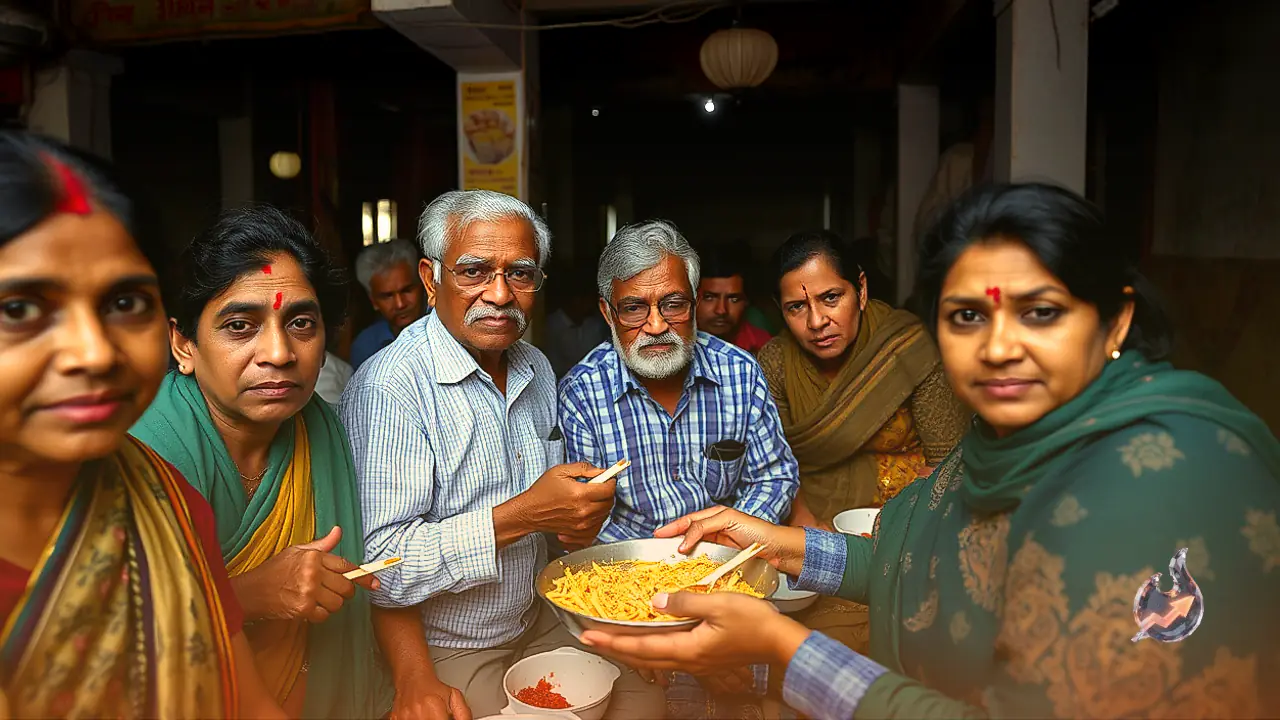

Fasting during the auspicious festival of Navratri is a cherished tradition, yet for individuals managing diabetes, it introduces complex physiological challenges. Significant shifts in meal patterns, erratic eating schedules, and uncoordinated medication timings can quickly destabilize circulating blood glucose. Nevertheless, observing the festival safely is entirely attainable when backed by structured clinical awareness and preventive measures. According to Dr. Archana S, Clinical Dietitian and Certified Diabetes Educator at KIMS Hospital, understanding these specific dietary and medical boundaries allows diabetic patients to participate without compromising their well-being.
Balancing Carbohydrates with Fiber and Protein
A widespread assumption during religious fasts is that traditional foods such as tapioca pearls, potatoes, buckwheat flour, water chestnut flour, and sweet fruits can be consumed without restriction. In reality, these staples carry substantial carbohydrate loads and high glycemic profiles. Overeating them causes rapid glucose surges in the bloodstream immediately following consumption. Patients must strictly control the portion sizes of these starch-heavy ingredients. Incorporating adequate amounts of protein and dietary fiber into every allowed meal is vital, as fiber slows down glucose absorption and creates a sustained, gradual release of energy rather than sharp spikes.
Avoiding Prolonged Starvation and Hypoglycemia
Going without nourishment for extended hours without specialized clinical supervision poses an acute danger of hypoglycemia, an unhealthy crash in blood sugar. This hazard is particularly elevated among individuals who administer daily insulin or take oral diabetes medications formulated to stimulate insulin production. Patients diagnosed with Type 1 diabetes, those with a history of recurrent hypoglycemic episodes, or individuals with poorly controlled baseline sugar levels must consult an endocrinologist before attempting any fast. Specialized medical guidance ensures that fasting schedules do not place the body in a life-threatening energy deficit.
Vigilant Monitoring and the 15-15 Rescue Rule
Monitoring frequency must increase substantially during fasting days compared to routine daily schedules. Patients must remain alert to standard hypoglycemic symptoms, which include profuse sweating, trembling extremities, dizziness, palpitations, sudden intense hunger, and cognitive confusion. If blood glucose falls below 70 mg/dL, patients must implement standardized clinical corrective measures immediately. This typically requires consuming 15 grams of fast-acting simple carbohydrates, waiting precisely 15 minutes, and re-checking blood glucose to ensure numbers have stabilized in a safe zone before resuming activities.
Prioritizing Hydration Over Sugary Beverages
Dehydration is an understated complication during religious fasting, especially when fluid intake is neglected throughout the day. Unless a doctor has explicitly restricted fluid volume due to cardiac or renal complications, patients should drink generous amounts of plain water during non-fasting windows. Relying on fruit juices, packaged syrups, or sweetened yogurt drinks to regain strength is counterproductive. These beverages contain concentrated simple sugars that trigger steep glycemic spikes within minutes. Simple, unsweetened hydration remains the only prudent approach to maintaining healthy circulatory volume.
Consulting Specialists Before Modifying Medication
Self-adjusting medication regimens remains one of the most perilous habits observed during festival seasons. Patients often reduce their tablet doses, delay injection times, or skip prescriptions entirely without medical advice. Such unsupervised tampering can destabilize metabolic equilibrium and cause severe complications. An endocrinologist or certified diabetes educator can recalibrate insulin doses and oral drugs in direct correlation with the patient's anticipated fasting meal timings, preserving both control and safety.
Breaking the Fast with Controlled Portions
After enduring prolonged starvation, consuming an enormous feast upon breaking the fast is biologically stressful. Sudden influxes of heavy carbohydrates shock the digestive tract and trigger severe rebound hyperglycemia. Breaking the fast should always begin with balanced, modest portions that do not overload the metabolic system. Above all, spiritual practices should never override physiological red flags. If symptoms such as unmanageable weakness, nausea, vomiting, intractable thirst, or acute dizziness emerge, the fast must be broken immediately and clinical support sought without delay.